There’s a quiet revolution happening in the world of high-end trips. For many who have seen it all, stayed in the finest places, and eaten at the most celebrated restaurants, the old ways of exploring the world are starting to feel a bit… rehearsed. A new kind of traveler is emerging, one who looks past the polished brochures and seeks out something raw, something genuine. This shift points directly to the growing desire for Unscripted Travel.
Gone are the days when luxury meant only private jets and butler service. While comfort still matters, the definition of a truly rich experience has expanded significantly. Today’s discerning explorers want trips that feel alive, full of surprises, and deeply personal. They wish for authentic travel experiences that connect them directly to the heart of a place, without a pre-set script or a carefully managed show. It’s about getting lost, finding something unexpected, and letting the world teach you a lesson or two.
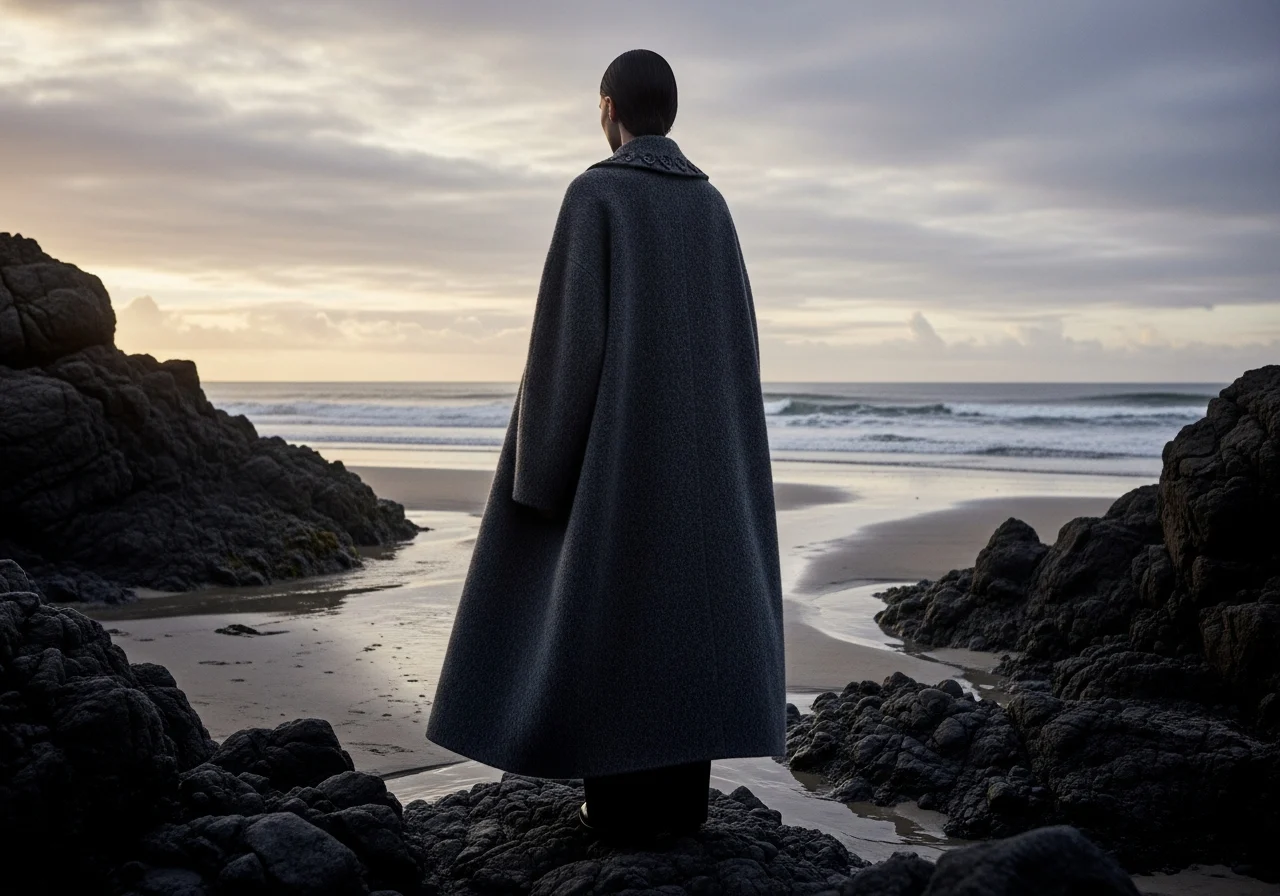
Think about it: most travel plans are like a play with every scene written out. You know what’s coming next, from the breakfast buffet to the scheduled museum tour. Unscripted Travel flips this idea on its head. It means letting go of the need to control every moment. It’s about having a general idea of where you’re going but allowing local life, chance meetings, and spur-of-the-moment decisions to guide your day. It’s about being open to whatever happens, good or bad, and trusting that those unplanned moments will be the most valuable ones.
This approach asks travelers to step outside their comfort zone, to try something new without knowing the exact outcome. It might mean eating at a roadside stand chosen by a local, getting on a public bus to see where it goes, or spending an afternoon just watching life go by in a town square. These are the moments that truly make a trip memorable, creating stories that stick with you long after you’ve returned home.
Much of this shift in thinking can be linked to the enduring influence of figures like Anthony Bourdain. His way of seeing the world wasn’t about fancy hotels or Michelin stars alone. It was about connection, honesty, and understanding the culture through its food, its people, and its everyday rhythms. Bourdain’s “travel philosophy” was simple: show up, be respectful, and eat everything. He taught us that true insight comes from sitting on a plastic stool, sharing a meal with strangers, and listening to their stories.
His programs weren’t just about showing interesting places; they were about showing how to *be* in those places. He demonstrated that the best experiences often come from places not found in guidebooks, from the street vendors, the hidden taverns, and the conversations struck up with someone who lives there. This approach has deeply affected how many people, especially those with the means to choose any kind of trip, now wish to see the world. They want to travel with a similar sense of curiosity and openness, seeking out the genuine pulse of a location.
The concept of beyond curated tourism speaks directly to this desire for authenticity. “Curated” often means carefully selected, polished, and presented. While there’s a place for such experiences, many affluent travelers now find them lacking in soul. They’ve had their fill of private tours where every interaction is arranged, every meal pre-ordered, and every sight seen through a pre-approved lens. They’re looking for something messier, more real, and less predictable.
This means turning down the five-star resort’s organized cooking class in favor of a bustling local market, where you can haggle for ingredients and maybe even get an impromptu lesson from a vendor. It means choosing a small, family-run guesthouse over a global hotel chain, hoping for a chance to chat with the owners about their lives. It’s about finding the cracks in the polished surface and peering inside to see what truly makes a place tick.
For these travelers, luxury is no longer defined by how much is done *for* them, but by how much they get to *do* themselves, how deeply they can connect, and how truly personal the experience feels. The freedom to choose their own path, to make mistakes, and to discover things on their own terms has become the new gold standard.
So, what makes Immersive travel, particularly the unscripted kind, so attractive to those who could have any trip they desire? It comes down to a few key things:
Embracing Unscripted Travel doesn’t mean ditching all planning. It means planning for spontaneity. It might involve:
This style of travel encourages a different kind of preparation, one focused on mental readiness and flexibility rather than a detailed itinerary. It asks you to trust in the process, to believe that the most rewarding experiences often come from letting go of control and allowing the world to surprise you.
For those with the means to travel anywhere, the shift towards Unscripted Travel marks a significant change in what “luxury” truly signifies. It’s no longer about the gilded cage of perfection but about the freedom to explore, to connect, and to discover the world on your own terms. It’s about collecting experiences, not just souvenirs, and bringing home stories that are genuinely your own, shaped by the unexpected twists and turns of a trip lived without a script. This way of seeing the world offers a deeper, more meaningful engagement, one that truly enriches the traveler and provides memories that hold their value for a very long time.