For a select group of global voyagers, the definition of true luxury has undergone a significant shift. Gone are the days when extravagance was measured solely by glittering decor or a parade of amenities. Today, a more subtle, profound desire guides the choices of affluent travelers: a yearning for quietness, for genuine privacy, and for a deep sense of emotional calm. These discerning guests aren’t just seeking a lavish stay; they are actively investing in peace, considering silence itself to be the most precious asset a high-end destination can offer.
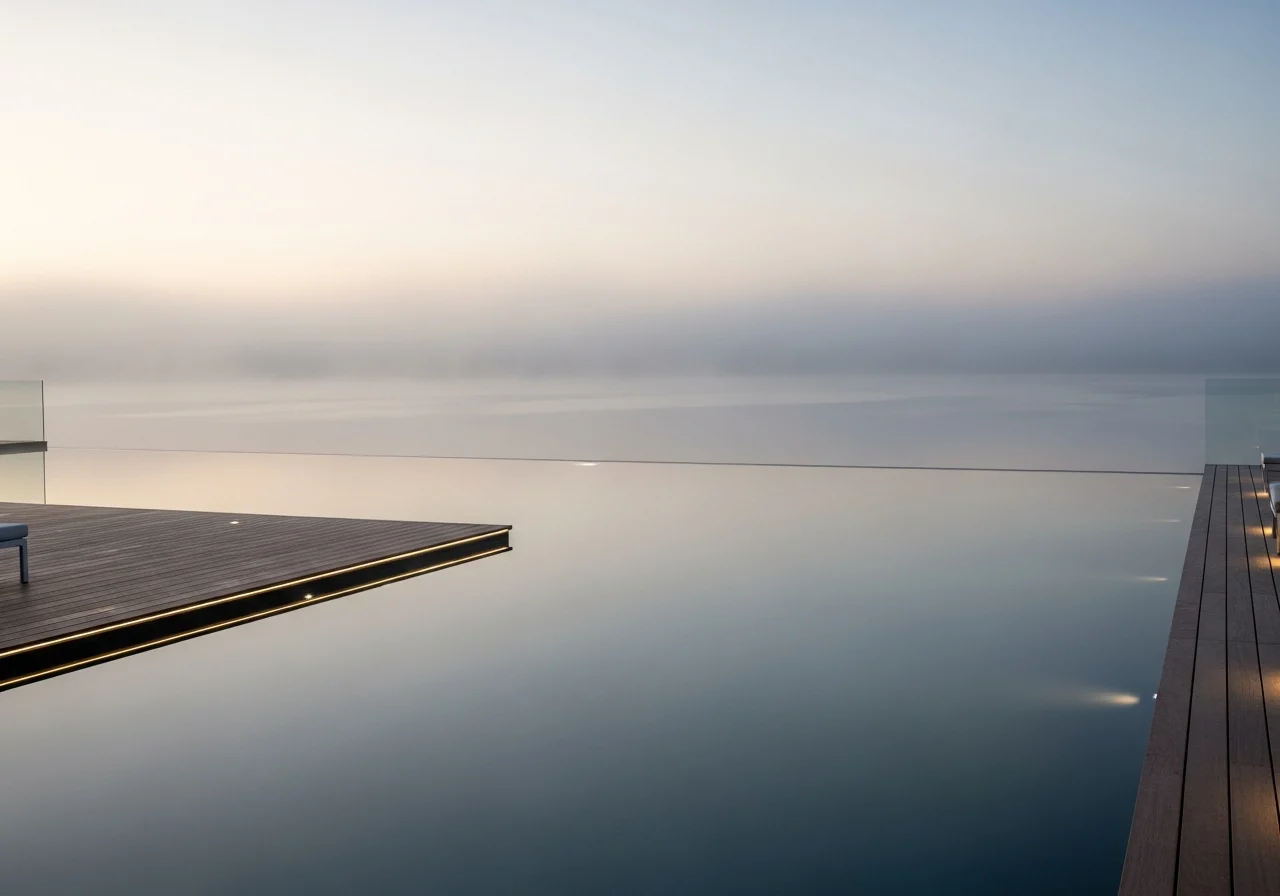
What exactly does “quiet luxury” signify in the realm of travel? It speaks to an understated elegance, a preference for thoughtful design over ostentatious display. It means environments crafted for tranquility, where every detail contributes to a feeling of calm rather than a show of wealth. This style of hospitality prioritizes personal space, discretion, and experiences that rejuvenate the spirit without unnecessary fanfare. It’s about genuine comfort, often found in natural settings or meticulously designed urban sanctuaries, where the focus remains squarely on the guest’s well-being and their ability to genuinely disconnect.
This approach to travel moves away from the flashy and towards the substantial. Guests are looking for authenticity, for places where the quality of materials, the thoughtfulness of service, and the serene atmosphere speak volumes without needing to shout. It’s an appreciation for the subtle art of making someone feel completely at ease, far from the demands and clamor of everyday life. The value here lies in the experience of being truly present, unburdened by external pressures or the constant need for stimulation.
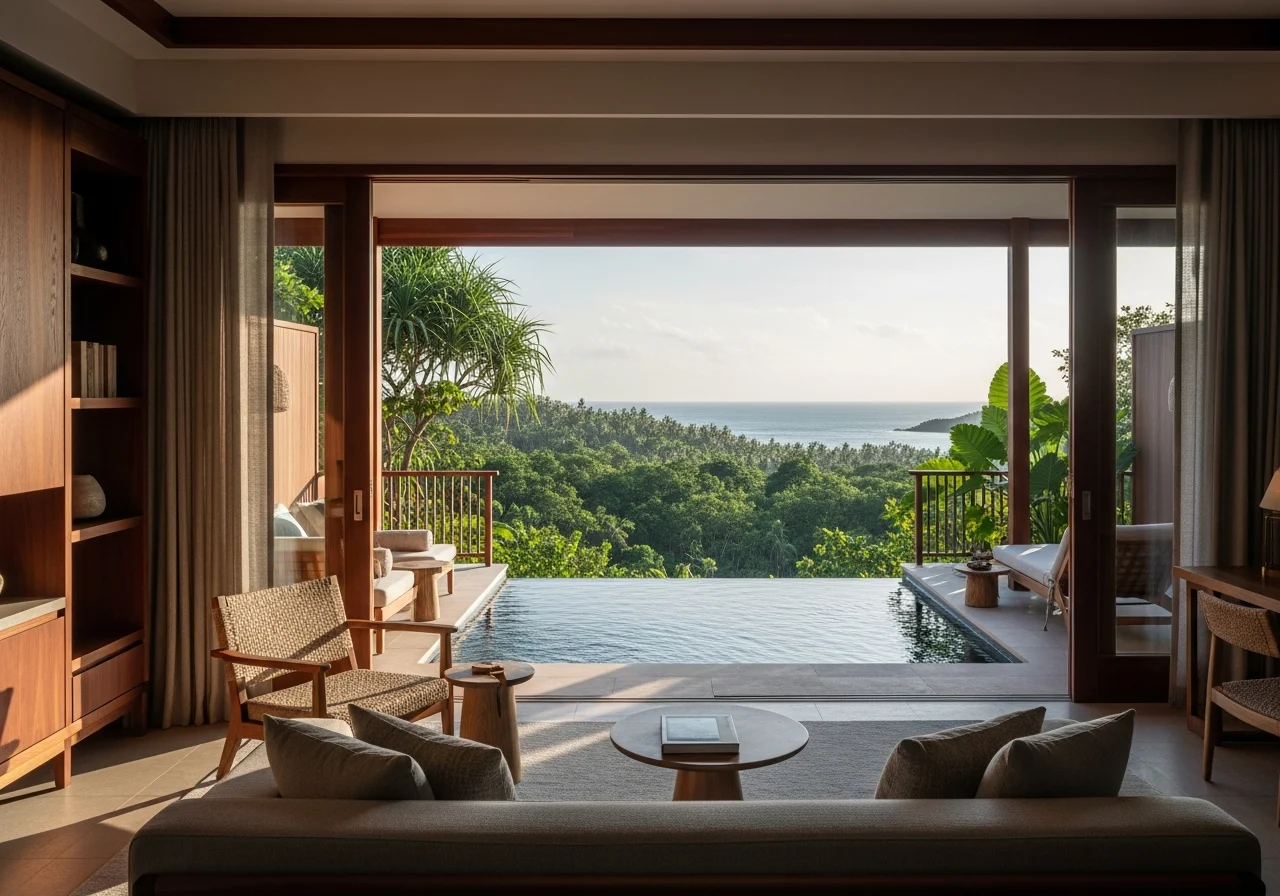
Our modern world buzzes with constant activity. From the endless notifications of our devices to the relentless pace of city life, true quietness has become a rare commodity. This continuous stimulation creates a deep-seated need for respite, a longing for places where the mental chatter can subside. Quiet luxury resorts offer precisely this antidote. They provide environments engineered to minimize noise and distraction, allowing guests a chance to simply *be*.
The absence of commotion permits a different kind of engagement—with one’s thoughts, with a book, or with the gentle sounds of nature. This deliberate reduction in sensory input helps foster emotional calm, easing stress and promoting a sense of mental clarity. For many, this quietude is not merely a pleasant background; it is the main event, a powerful tool for mental rejuvenation. It gives visitors space to process, to rest, and to return to a more centered state, a feeling often difficult to achieve amidst the noise of daily routines.
Alongside quietness, luxury travel privacy has emerged as a paramount concern for today’s elite travelers. The ability to retreat into one’s own space, free from prying eyes or unwanted interruptions, is now considered a fundamental aspect of a premium stay. Resorts catering to this demand go to great lengths to ensure seclusion.
This can manifest through private villas with individual pools, strategically separated guest accommodations, or design choices that create intimate pockets of space even within larger properties. Service delivery is often discreet, anticipated rather than intrusive, allowing guests to feel attended to without feeling observed. The goal is to create a personal sanctuary where one can relax, dine, or simply exist without the feeling of being part of a larger crowd. This dedication to personal space recognizes that true relaxation often requires the freedom to be completely undisturbed, a freedom that many find increasingly valuable in a connected world.
When considering how to achieve profound quietness and privacy within a luxury setting, few establishments offer a better lesson than Aman Tokyo. Despite its location in one of the world’s most energetic cities, this hotel stands as a monument to peaceful design. Its architectural approach centers on vast spaces, the considered use of light, and a palette of natural materials like wood, stone, and traditional Japanese paper.
The Aman Tokyo design creates an atmosphere of deep calm, a serene escape high above the city’s pulse. Instead of ornate decorations, the hotel employs strategic restraint, allowing the grandeur of the space and the quality of the materials to speak for themselves. The focus is on clean lines, minimalist aesthetics, and an almost monastic simplicity that soothes the senses. Every element, from the layout of the rooms to the subtle lighting, works together to foster a quiet, contemplative mood. It shows how deliberate design, free from excess, can generate an environment of profound tranquility, proving that true luxury often lies in what is left out, not what is added in.
The drive for quietness and calm naturally extends to a desire for digital detox luxury travel. Many affluent travelers are actively seeking environments that encourage them to step away from screens and reconnect with themselves and their surroundings. Quiet luxury resorts are particularly adept at fostering this disconnection.
These destinations often provide a wealth of alternative engagements: nature walks, spa treatments, culinary experiences, or simply comfortable spaces for reading and reflection. The absence of constant pings and notifications allows the mind to slow down, promoting greater mental clarity and a deeper sense of presence. This intentional break from the digital world helps guests truly switch off, leading to more profound relaxation and genuine rejuvenation. It’s about trading screen time for soul time, recognizing that true connection often begins with disconnecting from the digital noise.
For those whose quest for quietness includes a desire for an environment free from the energetic sounds of children, high-end adults-only resorts provide a clear answer. These properties cater specifically to guests seeking a mature, tranquil atmosphere, ensuring that the ambiance remains consistently peaceful. The appeal here is straightforward: a guarantee of quietude that allows for uninterrupted relaxation and conversation.
Such resorts often feature amenities and activities tailored to adult sensibilities, from sophisticated dining to serene spa areas and quiet pools. They understand that for many, a luxury escape means an environment where calm prevails, and where the focus can remain purely on personal rejuvenation or shared moments with a partner. This specialization allows them to create a hospitality experience precisely tuned to the preferences of adults who prioritize peace and quiet above all else.
The principles of quiet luxury align perfectly with the growing movement of wellness luxury hospitality. These resorts understand that true well-being extends beyond physical treatments to encompass mental and emotional health. They integrate practices that promote a holistic sense of calm and rejuvenation.
Guests can expect world-class spas offering treatments designed to soothe the body and mind, healthy and thoughtfully prepared cuisine that nourishes without heaviness, and opportunities for mindfulness practices like yoga or meditation. Many are situated in locations that allow for deep immersion in nature, further enhancing the sense of peace. The entire experience is crafted to help guests achieve a complete reset, returning home not just rested, but genuinely revitalized. This comprehensive approach to well-being, delivered within a quiet and private setting, represents the pinnacle of modern luxury care.
The shift in what affluent travelers seek has a clear economic impact. They are increasingly willing to pay a premium for quietness, for privacy, and for that elusive feeling of emotional calm. These are no longer mere amenities; they are core offerings, often commanding a higher price point because they represent something increasingly rare and valuable in our fast-paced world.
Silence has become a luxury asset, a commodity that discerning travelers actively invest in. The cost reflects not just the physical space or the service, but the carefully curated environment that allows for deep rest and mental restoration. It signifies the effort and design that go into protecting a guest’s peace, creating a sanctuary where the outside world fades away. For those who understand its profound benefits, the opportunity to truly disconnect and find inner calm is an investment well worth making.
The evolution of luxury travel points towards a clear direction: the quiet revolution. As the world continues its rapid pace, the demand for places that offer genuine calm, profound privacy, and a chance for mental and emotional renewal will only grow. Quiet luxury resorts are not just places to stay; they are havens for the soul, providing a much-needed antidote to the cacophony of modern existence, proving that sometimes, the most opulent experience is found in the deepest quiet.