In the glittering realm of high-end accessories, where beauty meets significant worth, the true strength of a luxury jewellery enterprise often lies hidden beneath the surface of sparkling gems and precious metals. It’s a world driven by distinct business choices, where a thoughtful approach can transform exquisite objects into an engine of considerable financial power. Far from being merely about pretty things, the luxury jewellery business strategy demonstrates how focused planning, deep client connections, and an appreciation for lasting quality cultivate substantial and consistent returns.
For those observing the dynamics of this elite market, the performance of companies like Richemont offers a compelling case study. Under the insightful guidance of figures such as Johann Rupert, their jewellery divisions consistently show impressive numbers, proving that a disciplined approach to luxury goods yields remarkable strength. This isn’t just about selling expensive items; it’s about building enduring value and trust, piece by precious piece.
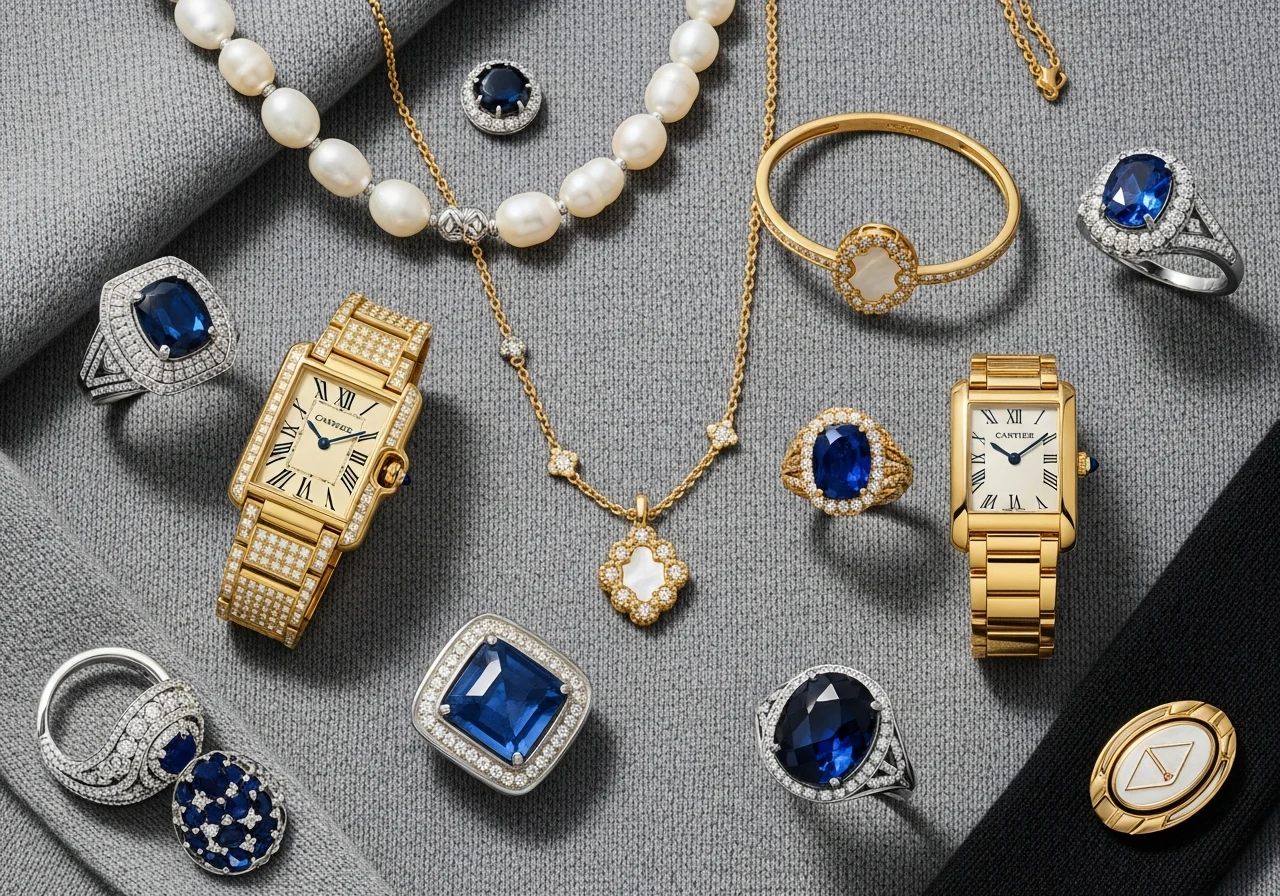
What makes the luxury jewellery sector so financially robust? Unlike many other segments of high-end retail, jewellery often holds a tangible asset value. These items are not simply fashion statements; they are heirlooms, investments, and personal treasures all at once. This dual nature – as both an object of desire and a store of wealth – provides a unique foundation for its profitability. The intrinsic value of gold, platinum, diamonds, and rare gemstones offers a protective layer, making these purchases feel more secure for clients.
The luxury jewellery profit power stems from several factors. There’s the high-margin nature of bespoke or limited-edition pieces, the enduring appeal of classic designs, and the strong resale market for items from reputable houses. Furthermore, the emotional significance attached to these items means clients are often willing to pay a premium for the story, the craftsmanship, and the heritage associated with a brand. This deep connection, when nurtured correctly, translates directly into a business model that is both resilient and highly lucrative.
When discussing successful luxury jewellery operations, it’s impossible to overlook Richemont. The Swiss group, a powerhouse in the luxury sector, offers a prime example of how to make jewellery a star performer. Their diverse collection of Maisons, including Cartier and Van Cleef & Arpels, consistently delivers strong financial results, showcasing superior Richemont jewellery performance. Their approach is characterized by a long-term view, a commitment to exceptional artistry, and a clear understanding of market dynamics.
One key aspect of Richemont’s success involves their careful brand stewardship. They understand that each brand has a distinct identity and heritage, and they invest heavily in preserving and enhancing these unique qualities. This includes meticulous control over distribution, ensuring that their creations are presented in environments that uphold their prestige. Moreover, they focus on direct client engagement, reducing reliance on multi-brand retailers and fostering a more personal connection with buyers. This direct channel allows for better margin control and a deeper understanding of client preferences, fueling further strategic development.
At the heart of Richemont’s strategic direction is Johann Rupert, whose insights into the luxury world are highly regarded. His philosophy, often shared publicly, emphasizes patience, integrity, and a profound respect for brand heritage. Johann Rupert luxury insights frequently highlight the importance of building brands that will last for generations, rather than chasing fleeting trends. He often speaks of the need for discipline and a conservative approach to growth, ensuring that expansion does not dilute brand equity or compromise quality.
Rupert’s perspective suggests that real luxury is about more than just expense; it’s about scarcity, craftsmanship, and a story that resonates deeply. He has consistently championed the idea that luxury brands must earn and maintain client trust through consistent quality and ethical practices. This leadership fosters a culture where the long-term health of the brand takes precedence over short-term gains, a principle that has been instrumental in the sustained excellence of Richemont’s jewellery divisions.
The purchase of a significant piece of jewellery is often a moment charged with sentiment. It might mark a milestone, celebrate an achievement, or signify a deep personal bond. For luxury brands, understanding and honoring this emotional weight is central to their commercial efforts. Creating an emotional connection luxury jewellery pieces possess is not accidental; it’s a deliberate part of the business plan. This connection is cultivated through personalized service, compelling storytelling, and a deep appreciation for the client’s individual needs and desires.
Furthermore, earning client trust luxury brands require is paramount. When a client spends a considerable sum on a piece of jewellery, they are not just buying an item; they are buying an assurance of authenticity, quality, and lasting value. This trust is built over time through transparent practices, excellent after-sales service, and a consistent delivery of superior products. Brands that excel in this area create loyal advocates who return for future purchases and recommend the brand to others, sustaining a powerful cycle of growth and reputation.
A key pillar of any successful luxury jewellery enterprise is its ability to produce pieces that captivate and hold their appeal through changing styles. These are not merely fashionable items; they are creations with distinct personality and lasting charm. Iconic collections, like Cartier’s Love bracelet or Van Cleef & Arpels’ Alhambra motif, serve as powerful identifiers for their respective Maisons. These designs become synonymous with the brand, carrying its legacy and attracting new generations of admirers.
The process of developing and maintaining such distinctive creations involves a blend of artistic vision, technical mastery, and a deep understanding of what resonates with the high-end consumer. It means investing in design innovation while respecting heritage, ensuring that each new piece or collection adds to the brand’s narrative without straying from its core identity. This strategic focus on recognizable, high-quality designs contributes significantly to the perceived value and desirability of the brand’s offerings.
Beyond the glamour and artistry, the practical side of the luxury jewellery business demands rigorous operational discipline. This includes meticulous control over the supply chain, ensuring that all materials, from raw gems to finished metals, are sourced responsibly and ethically. Clients today are increasingly aware of the origins of their purchases, and a brand’s commitment to ethical practices reinforces its integrity and builds further trust.
Quality control at every stage of production is also crucial. From the initial design sketches to the final polish, each step must meet the highest standards. This attention to detail not only guarantees the beauty and durability of each piece but also upholds the brand’s reputation for excellence. A well-managed operation supports the brand’s creative endeavors, allowing artisans to focus on their craft knowing that the underlying processes are solid and dependable.
The world of luxury jewellery, while visually stunning, is also a highly strategic business arena. The consistent success of companies like Richemont, guided by the informed perspective of leaders such as Johann Rupert, demonstrates that a deliberate focus on core principles yields substantial rewards. By prioritizing direct client connections, fostering profound trust, cultivating enduring designs, and adhering to strict operational and ethical standards, businesses can harness the immense luxury jewellery profit power.
This approach moves beyond simple transactions, establishing deep relationships and creating items that are cherished for generations. It shows that when business is conducted with foresight, precision, and a genuine appreciation for lasting value, the radiance of luxury jewellery shines not only in its appearance but also in its impressive financial performance.