For centuries, jewellery has held a special place in human hearts, acting as a symbol of status, affection, and artistic expression. While new pieces offer contemporary styles and modern design, a distinct preference often emerges among serious enthusiasts and discerning buyers. Many wonder, why collectors prefer auction jewellery? The answer lies in a captivating combination of history, artistry, and the thrill of acquiring something truly unique – elements that modern retail often struggles to replicate. Expert insights, such as those from the venerable halls of Sotheby’s, consistently highlight the profound value found in items that have lived previous lives and possess a verifiable past.
Consider the difference: a brand-new necklace, though lovely, begins its story with you. An auction piece, however, arrives with a past, a whisper of previous owners, and the echoes of events it has witnessed. This article delves into the various reasons behind this strong inclination for pre-owned treasures, exploring how the blend of historical significance, artistic craftsmanship, and the excitement of personal discovery makes auction jewellery a far more compelling acquisition for those who seek more than just adornment.
One of the most compelling reasons behind the choice of auction pieces is their rich history. Every brooch, ring, or pendant that comes up for sale at a reputable auction house carries a narrative. It might have belonged to a royal figure, a famous artist, or simply a family of considerable influence. This chain of ownership, known as provenance, adds an extraordinary layer of meaning and desirability. Understanding the full story behind an item, from its creation to its various owners, significantly raises its worth and appeal.
The concept of provenance jewellery value is not just about a name; it’s about the authenticity and historical context it provides. For instance, Sotheby’s experts frequently emphasize how a well-documented history can increase a piece’s appeal exponentially. A diamond necklace once owned by a Maharajah or a bracelet gifted by a monarch carries an intrinsic value that goes beyond its material components. It becomes a tangible link to the past, a miniature time capsule that allows its new owner to connect with bygone eras and significant historical moments. This connection is something a newly manufactured item, no matter how beautiful, simply cannot offer. It starts its journey without the weight of history, without the accumulated stories that make an old piece feel truly alive.
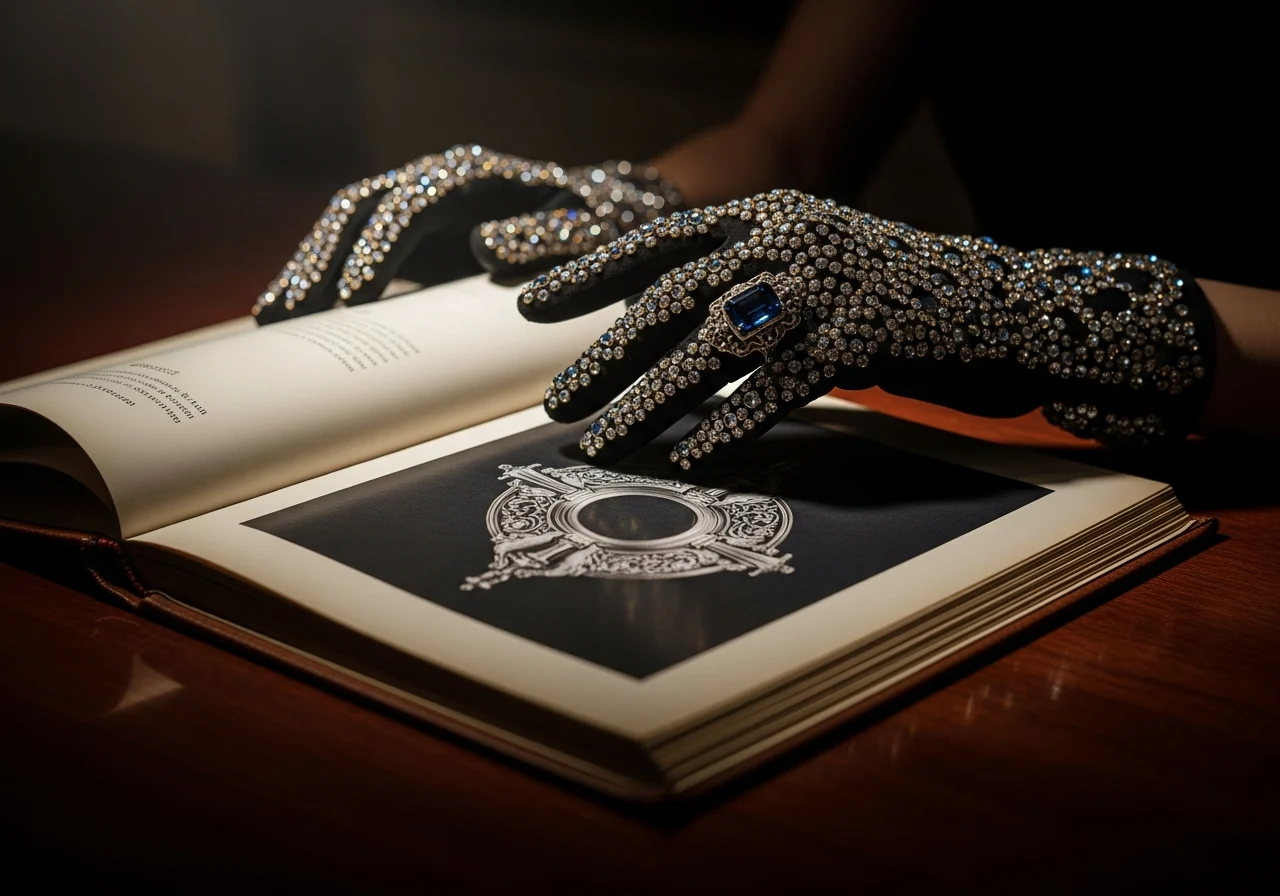
Another powerful draw for collectors is the exceptional artistry and craftsmanship evident in older jewellery. Before the advent of mass production, each piece was often a work of art, meticulously handcrafted by skilled artisans. These craftsmen employed techniques that are rare or entirely lost today, resulting in details and quality that are difficult, if not impossible, to replicate with modern methods.
Think of the intricate filigree work of the Victorian era, the precise hand-engraving of Art Deco designs, or the detailed enamel artistry of Art Nouveau pieces. Such creations show a dedication to skill and an individual touch that set them apart. This is particularly true for signed vintage jewellery, where the maker’s mark acts as a seal of quality and artistic identity. A piece signed by Cartier, Tiffany, or Van Cleef & Arpels from a specific period is not just jewellery; it is a miniature sculpture, an artistic statement from a particular time. Sotheby’s specialists often point to the distinctiveness of these artisanal methods, noting how they give older pieces an individual character and a level of detail often missing in contemporary, factory-produced items. The care taken in selecting and setting gemstones, the precision of the metalwork, and the overall design coherence speak volumes about the artistic values of their time.
For many collectors, the process of finding and acquiring an auction piece is as rewarding as owning it. Auctions offer a treasure hunt, a chance to discover something truly unique that won’t be found in any high-street shop. Each catalogue entry represents a potential surprise, an item that stands out from the crowd.
The excitement of bidding, the anticipation of success, and the eventual triumph of securing a desired item contribute to a sense of personal achievement. Unlike buying from a retail store where items are often replicated, an auction piece frequently stands alone. It is a singular creation, often the only one of its kind available at that moment. This distinctiveness is a major draw for individuals who value individuality and wish to possess items that reflect their unique taste and personality. The experience of searching for, bidding on, and eventually owning such an individual piece creates a deeper connection than a simple retail transaction. It’s about the joy of finding something special, something that speaks directly to the collector, far from the standardized offerings of new collections.
Beyond beauty and history, auction jewellery also offers a compelling proposition as an asset. Many collectors view their purchases not merely as adornments but as shrewd investments. The market for high-quality, historically important, and well-crafted pieces has consistently shown resilience and growth, making vintage jewellery investment a smart financial move for those who know what to look for.
Factors contributing to investment value include the rarity of the design, the quality and origin of the gemstones, the reputation of the maker, and, of course, the piece’s provenance. Rare gemstone auctions, in particular, attract serious investors looking for stones with exceptional clarity, cut, color, and carat weight, especially those from specific mines or with documented historical importance. Sotheby’s experts frequently publish market reports that underscore the appreciation potential of significant pieces, noting how certain periods or designers consistently command higher prices. For example, Art Deco jewellery, significant pieces from the Belle Époque, or creations by master jewellers like René Lalique or Suzanne Belperron often see their values rise over time. The inherent scarcity of these items, combined with their artistic merit and historical importance, makes them a robust alternative to other forms of investment. This is where the concept of provenance jewellery value again becomes critical, as a clear and illustrious history can add significantly to a piece’s monetary worth, making it a more secure and potentially lucrative asset.
Ultimately, the reasons why collectors prefer auction jewellery go beyond mere aesthetics or financial gain. There is a profound, almost emotional, connection that forms with these items. Owning a piece of jewellery that has traversed generations, witnessed history, and represents the pinnacle of human artistry is a uniquely enriching experience. It’s about guardianship, about continuing the story of an object that has already lived so much.
These pieces are not just inert objects; they carry an energy, a spirit derived from their past. They offer a tangible link to different eras, allowing owners to hold a fragment of history in their hands. This depth of connection, this sense of owning a piece of the past that continues to sparkle in the present, is what truly sets auction jewellery apart from anything new. It’s about acquiring a piece that resonates on multiple levels—historical, artistic, and personal—offering a richness that modern, mass-produced items cannot hope to match.
The preference for auction jewellery among serious collectors is well-founded. It stems from a desire for items that offer more than just surface beauty; items that tell stories, show exceptional human skill, and offer a unique journey of discovery. With their rich histories, unique designs, and potential for appreciation, these pieces represent a truly special acquisition. They provide a compelling alternative to contemporary retail, offering collectors a chance to own not just jewellery, but also a piece of history and a testament to enduring artistry, as attested by the extensive knowledge found at institutions like Sotheby’s.