In a world where economic forecasts often bring whispers of caution, certain sectors not only weather the storm but seem to radiate with even greater brilliance. The high jewellery market stands as a prime example, demonstrating a remarkable ability to maintain its luster even when other luxury segments face headwinds. This discussion delves into the unique alchemy that allows this exclusive realm to achieve such steadfastness, particularly through the lens of leading houses like Bulgari.
The very notion of economic uncertainty usually prompts consumers to tighten their belts. Yet, for an elite group, the acquisition of exceptional jewels continues apace, sometimes even accelerating. This peculiar divergence from conventional spending patterns highlights a fundamental truth about the top tier of luxury: it operates on a different set of principles, driven by value that extends far beyond mere adornment. It’s an exploration of how rarity, artistry, and a deep connection to history create a powerful shield against broader economic concerns, cementing **High Jewellery Market Resilience**.
The foundation of this market’s strength rests upon several critical elements, each contributing to an asset’s worth and desirability.
High Jewellery Craftsmanship: A Testament to Human Skill
At the heart of every magnificent piece lies countless hours of devoted, skilled work. This is not about mass production; it involves a meticulous process where master artisans, with generations of knowledge, transform raw materials into works of art. From the initial design sketches to the precise setting of each stone and the delicate finishing touches, every stage demands an extraordinary level of precision and artistic vision. This human element, the dedication to creating objects of singular beauty and mechanical perfection, confers an intrinsic value that cannot be replicated by automated processes. The stories behind these creations, the hands that shaped them, and the time invested make them truly special.
Rare Gemstone Market Trends: The Scarcity Premium
The allure of high jewellery is inextricably linked to the scarcity of its components. Exceptional gemstones – diamonds of unparalleled clarity and size, vivid emeralds, deep sapphires, and fiery rubies – are finite treasures extracted from the earth. The fascination with these geological marvels means that **Rare Gemstone Market Trends** often move independently of other asset classes. As the supply of truly extraordinary stones diminishes, their value tends to appreciate, making them not just beautiful objects but also tangible assets. Collectors and connoisseurs seek out these unique specimens, understanding their potential for long-term appreciation. A gem’s provenance, its purity, and its cut all play into its market standing, creating a competitive environment for the most coveted finds.
The Weight of History: Heritage and Storytelling
Jewellery often carries stories – of love, power, achievement, and cultural identity. For high jewellery houses, their own heritage is a powerful narrative tool. Pieces are not just shiny objects; they are continuations of a legacy, reflections of specific artistic movements, or echoes of grand historical epochs. This connection to the past adds layers of meaning and desirability, transforming a jewel into a cultural artifact. For instance, the influence of ancient civilizations or specific architectural styles can elevate a collection beyond mere fashion, giving it an enduring cultural significance.
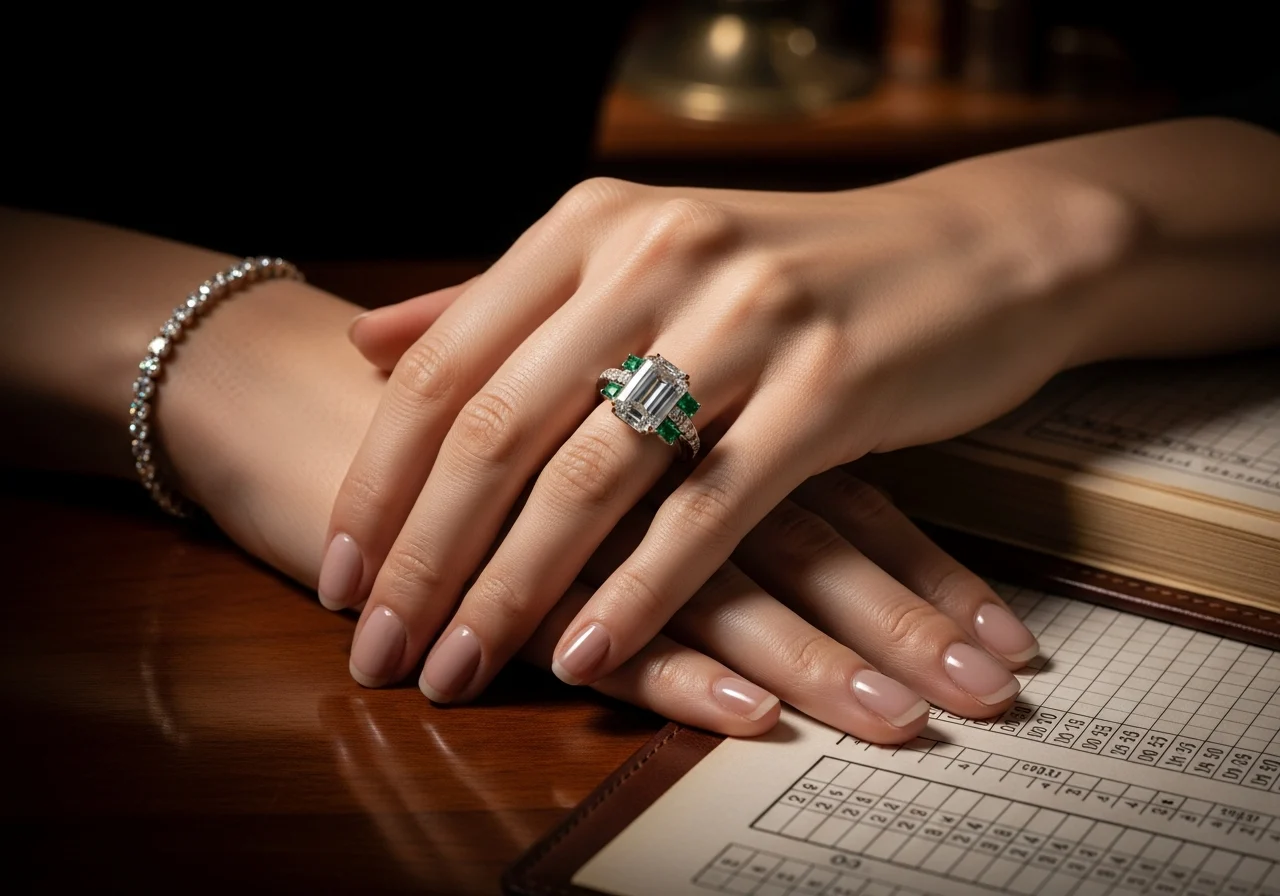
To understand how these elements coalesce into market strength, one can examine the approach of Bulgari, a name synonymous with Roman glamour and exceptional artistry. Their strategy offers a compelling illustration of how to cultivate **High Jewellery Market Resilience**.
Bulgari High Jewellery Strategy: A Roman Rhapsody
Bulgari’s approach is deeply rooted in its Roman origins, drawing inspiration from the Eternal City’s architectural grandeur, vibrant colours, and rich history. Their designs often feature striking volumes, unexpected colour combinations, and a certain joyful exuberance that sets them apart. This distinctive style is not just about aesthetics; it’s a carefully cultivated brand identity that resonates with a specific desire for exuberance and sophistication. Their **Bulgari high jewellery strategy** focuses on creating pieces that are instantly recognizable, often pushing the boundaries of traditional jewellery design while honouring foundational craftsmanship. They consistently present collections that are both grand statements and deeply personal expressions, appealing to a clientele that values originality and a connection to a storied past.
Luxury Private Clientele Strategies: The Art of Personal Connection
For brands operating at this elevated level, the relationship with the buyer is paramount. **Luxury private clientele strategies** are designed to offer an experience far beyond a simple transaction. This involves highly personalized service, often delivered through dedicated client advisors who understand individual preferences, collecting habits, and lifestyle. Access to exclusive previews, bespoke design consultations, and invitations to private cultural events are all part of cultivating loyalty. These interactions are built on trust and discretion, fostering a sense of belonging to an exclusive circle. The purchasing process itself becomes an intimate and highly curated affair, where desires are anticipated and met with exquisite attention.
Luxury Brand Experience Design: The Cultural Theatre
The act of acquiring high jewellery is transformed into a grand occasion, a form of cultural theatre. This goes beyond just showcasing beautiful objects; it involves creating an immersive world where the brand’s narrative comes to life. Bulgari, for example, might host elaborate exhibitions in historical venues, stage private showings in opulent settings, or collaborate with artists and cultural institutions. This **Luxury brand experience design** ensures that each piece is presented within a rich context, often highlighting its artistic inspiration, the rarity of its stones, and the skill of its creation. Buyers are not just acquiring a jewel; they are acquiring a piece of a larger story, an entry into a world of art, culture, and exclusive access. This carefully constructed environment elevates the purchase into a memorable event, reinforcing the emotional and intellectual value of the acquisition.
While the aesthetic appeal and emotional connection are undeniable, high jewellery also holds significant appeal as an investment. Unlike many other luxury goods that depreciate rapidly, exceptional pieces, particularly those featuring rare gemstones and signed by prestigious houses, can maintain or even increase their value over time. This dual nature – as both an object of profound beauty and a tangible asset – makes it particularly attractive to the discerning buyer looking for stable value in changeable times. The scarcity of materials, the enduring demand from a global elite, and the historical significance of certain pieces contribute to this asset stability.
The high jewellery market’s ability to defy broader economic patterns stems from its focus on enduring value, unparalleled craftsmanship, and a deep understanding of its discerning clientele. As global wealth continues to concentrate and the appreciation for unique, handcrafted objects grows, this segment is well-positioned for continued strength. The commitment to preserving rare skills, sourcing exceptional materials, and delivering a truly extraordinary client experience ensures that the sparkle of high jewellery will remain a constant, a testament to enduring beauty and savvy market strategies.
In a world of constant flux, the brilliance of a perfectly cut diamond or the rich hue of an ancient emerald offers a tangible connection to permanence and artistry. It is this combination of intrinsic worth, cultural resonance, and strategic engagement that defines **High Jewellery Market Resilience**, allowing it to shine brightly, irrespective of the economic climate.