The world of horology, a realm traditionally defined by enduring precision and steady craftsmanship, currently experiences significant movement. For those with a keen interest in fine timepieces, whether as collectors or industry participants, comprehending the **global watch market shifts** is more important than ever. Economic currents, geopolitical concerns, and changing consumer preferences are all reshaping demand across different regions, prompting a strategic re-evaluation for even the most established Swiss houses.
This analysis aims to provide a clear picture of the current state of affairs. We will look at the forces driving these changes, examine specific regional demand adjustments, and observe how leading Swiss brands are modifying their deeply rooted approaches to ensure continued prosperity.
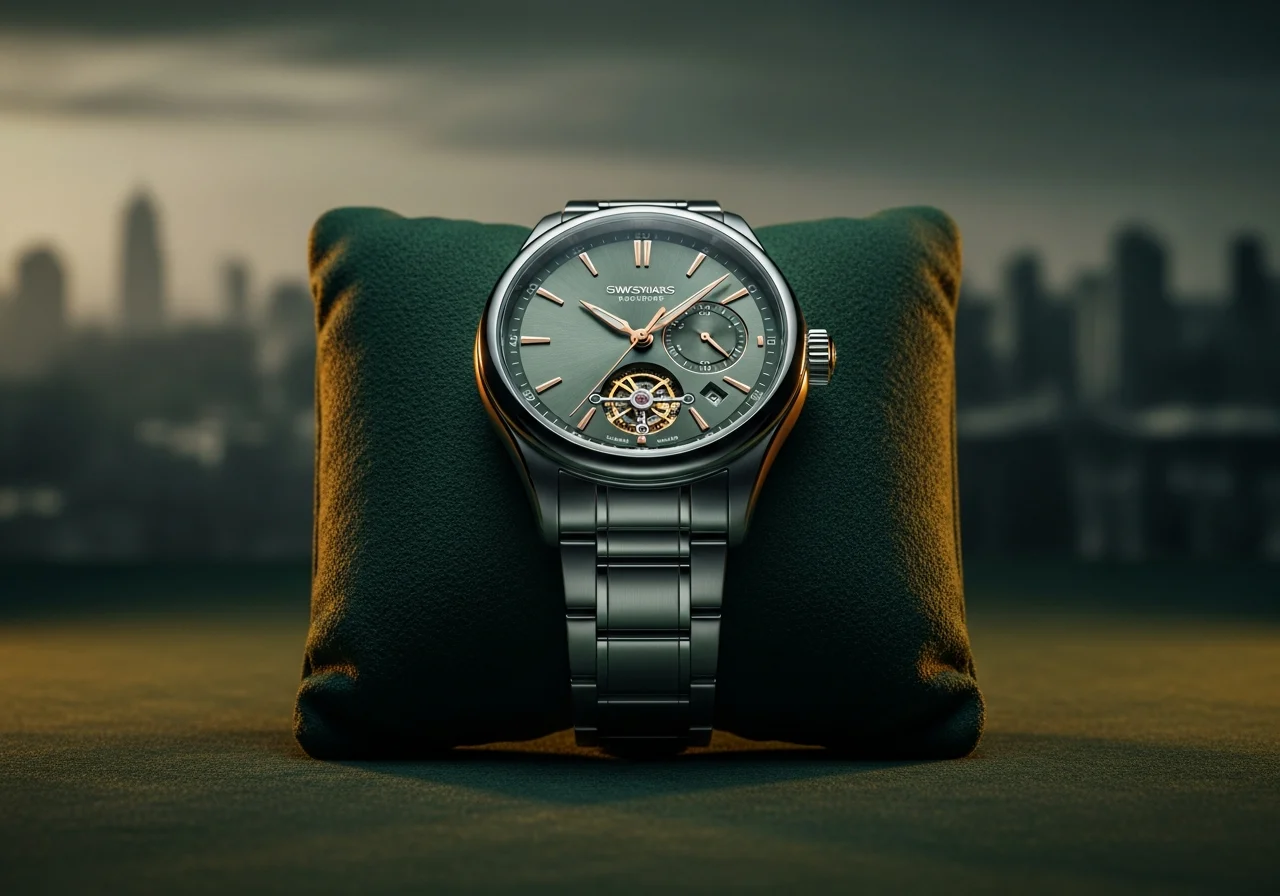
The overall landscape for timekeeping devices has undergone considerable alteration. While the fascination with mechanical watches remains robust, the conditions under which these items are bought and sold have become more complex. Factors like inflation, rising interest rates, and a general cooling of consumer spending power in some key areas are creating new challenges. What was once a predictable rhythm of growth now presents a more varied beat, with some segments experiencing strong performance while others face headwinds.
This ongoing evolution makes it crucial to assess where the growth truly lies and where caution is advised. The way people buy luxury goods, including watches, is also changing, with digital channels gaining importance and younger buyers bringing different expectations to the market.

Switzerland, the undisputed heartland of high-end watchmaking, continually watches its export figures with close attention. Recent **Swiss watch export trends** show a generally positive trajectory, yet with noticeable variations depending on the destination. Overall, the industry has demonstrated resilience, particularly at the higher end of the price spectrum.
The United States, for instance, has been a powerhouse for Swiss watch sales for some time, though recent data suggest a slight moderation in its rapid ascent. China, a market of immense importance, has shown a more fluctuating pattern, influenced by economic policies and local consumer confidence. European markets, including the home market of Switzerland itself, maintain a steady contribution, often bolstered by tourism. The strength of the Swiss Franc also presents a consistent challenge for exporters, making Swiss-made goods pricier on the international stage.
Understanding the current dynamics requires a closer examination of the various **watch market influencing factors** that shape consumer behavior and industry strategies.
Few individuals have as direct an influence on the watch world as **Nick Hayek Jr Swatch Group** CEO. His perspectives and the strategic choices made by the Swatch Group offer valuable insights into the broader industry. Hayek has often spoken about the importance of innovation, local market understanding, and maintaining a strong connection with customers. The Swatch Group, with its extensive portfolio ranging from the accessible Swatch to high-luxury brands like Blancpain and Omega, offers a microcosm of the entire market.
The group’s strategy often involves a multi-pronged approach: investing in new materials and technologies, strengthening direct-to-consumer channels, and creating products that generate excitement, such as the highly successful MoonSwatch collaboration. Hayek frequently emphasizes the significance of physical retail experiences while also acknowledging the digital realm’s power. His leadership provides a compelling example of how a major player addresses the complexities of the present market, balancing heritage with forward-looking ideas.
The high-end segment of the industry remains a fascinating area of study. A comprehensive **luxury watch market analysis** reveals that demand for exquisite mechanical watches, particularly those from esteemed heritage brands, continues to show strength. Collectors and enthusiasts highly value limited editions, watches with intricate mechanical workings, and pieces that tell a compelling story about their origins and artistry.
Maintaining exclusivity while also reaching new audiences presents a constant challenge for luxury watchmakers. Many brands are focusing on enhancing the experience of acquiring a watch, whether through highly personalized boutique services or engaging digital content that delves into the history and making of their products. The pre-owned market, too, has grown substantially, offering new avenues for both buyers and sellers and influencing the perceived value of certain models. The focus for luxury houses is to ensure their creations retain their special status in a world with many consumer choices.
The global picture is composed of many regional stories, each with its own characteristics and trends:
In response to these shifting dynamics, leading Swiss brands are actively adjusting their approaches. Their success hinges on finding ways to honor their long histories while staying relevant to contemporary buyers.
The **global watch market shifts** are ongoing, presenting both hurdles and exciting prospects. The industry’s ability to adapt to economic fluctuations, geopolitical realities, and evolving consumer preferences will dictate its future trajectory. The enduring appeal of mechanical watches, rooted in their blend of engineering, artistry, and heritage, suggests a strong foundation for continued success.
Brands that can effectively tell their stories, connect with customers on a personal level, and innovate responsibly are likely to thrive. The watch world is a testament to perseverance and precision, and as it makes its way through these changing times, its fundamental appeal remains as strong as ever.