The world of high-end timepieces has long been a realm of tradition and precision, where heritage often dictates value. Yet, even in this established sector, change is a constant. Recent shifts in global economics and consumer habits mean that luxury watch makers are rethinking how they operate. The focus today is on luxury watch industry diversification – a crucial approach for brands aiming to secure their future in an ever-changing global marketplace.
For many years, the industry enjoyed robust growth, particularly in certain key regions. However, a significant development has been the luxury watch market China slowdown. This economic shift has highlighted a vulnerability for many brands that had grown accustomed to strong demand from a single dominant market. When one major area experiences a dip, the effects ripple across the entire sector. This situation makes it clear that relying too heavily on any one geographic region or consumer demographic is a risky proposition. Brands now understand the need for a varied approach to ensure their long-term health and appeal.
To weather these economic shifts and remain relevant, luxury watch companies are exploring multiple avenues for growth and stability. This involves more than just selling watches; it means broadening their appeal, connecting with different types of buyers, and building a stronger foundation for their business. This strategic broadening is not merely about surviving; it is about cultivating profound luxury brand market resilience, making them less susceptible to isolated market fluctuations and more capable of sustained prosperity.
When discussing proactive strategies in the luxury watch world, one cannot overlook the significant efforts made at Breitling. The Georges Kern Breitling strategy stands out as a prime example of successful diversification. Upon taking the helm, Kern initiated a comprehensive plan that moved beyond the brand’s traditional image and customer base. The core idea was to expand Breitling’s reach without compromising its established identity as a maker of robust, professional instruments.
Kern’s approach involved several key elements. First, product diversification was paramount. Breitling began to introduce a wider array of collections, appealing to different tastes and lifestyles. This included a greater emphasis on vintage-inspired pieces, which tapped into a growing appreciation for historical designs, and a more concerted effort to create appealing women’s watches. This expansion in product offerings meant the brand could attract a broader group of buyers, moving beyond its traditional strongholds in aviation and diving watches.
Furthermore, the strategy extended to distribution and brand experience. Breitling increased its direct-to-consumer presence, opening more brand boutiques and enhancing its online sales platforms. This allowed for greater control over the customer experience and direct interaction with buyers, helping to build stronger relationships. The brand also focused on creating distinct “universes” – land, sea, and air – each with its own aesthetic and story, allowing customers to connect with the brand on a more personal level, regardless of their specific interests.
A focus on sustainability also became a significant component. By emphasizing ethical sourcing and environmentally conscious practices, Breitling positioned itself to appeal to a new generation of luxury consumers who prioritize social responsibility. This multi-faceted approach, spearheaded by Georges Kern, demonstrates how a heritage brand can evolve and expand its market presence by thoughtful planning and a willingness to explore new territories.
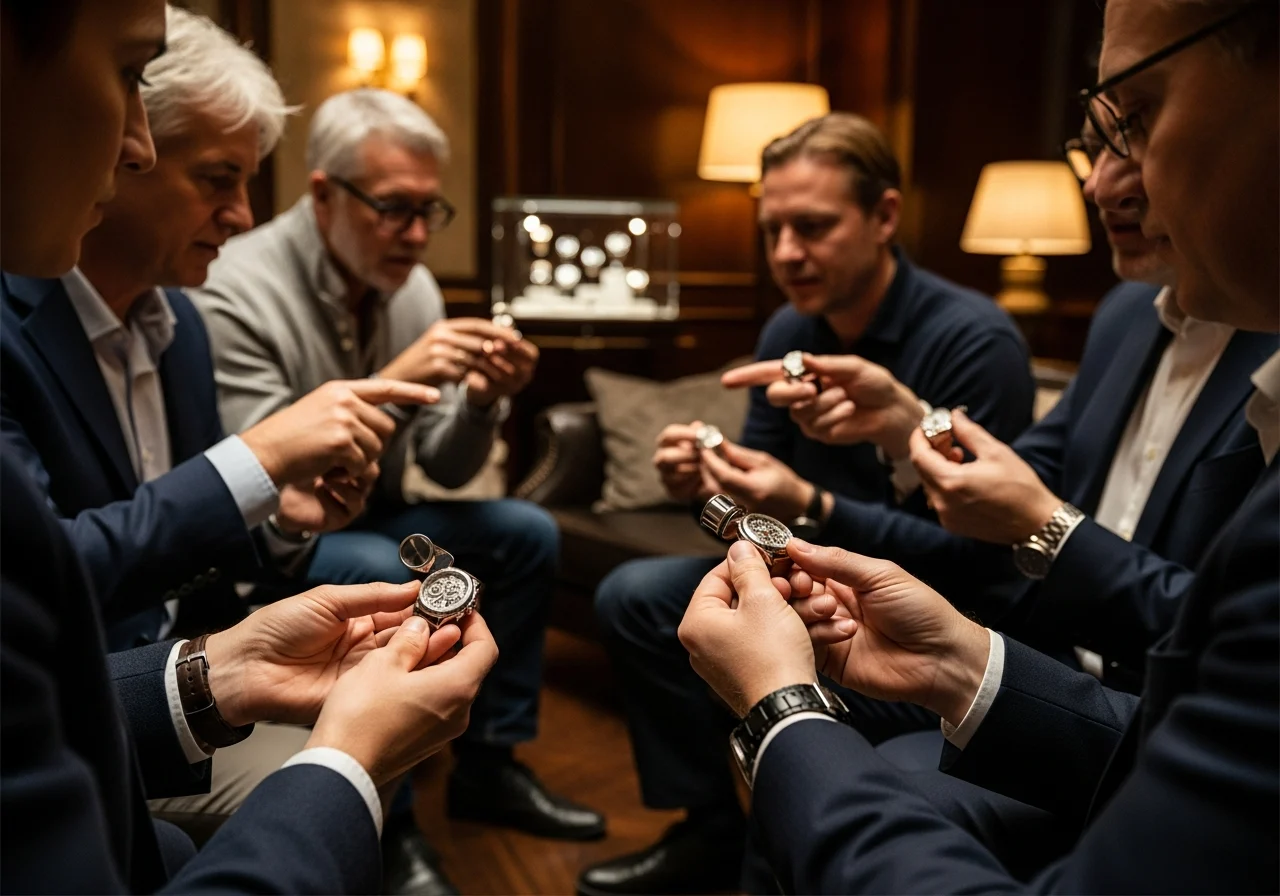
Beyond product and distribution, a crucial element in contemporary luxury watch strategy is fostering strong connections with enthusiasts. The watch collector communities strategy is about recognizing that these individuals are not just customers; they are passionate advocates and custodians of the brand’s story. Engaging with these groups creates a strong foundation of loyalty and a powerful word-of-mouth marketing channel.
Brands are investing in creating spaces and opportunities for collectors to interact with each other and with the brand itself. This can take many forms: exclusive events, workshops, historical exhibitions, or even digital forums where collectors can share their passion and knowledge. By facilitating these interactions, brands can deepen the emotional connection collectors have with their timepieces. It transforms the act of ownership into a shared experience, making collectors feel like part of an exclusive club or family.
Understanding what drives these communities is also key. Collectors often seek authenticity, provenance, and the story behind a watch. Brands that can effectively communicate their heritage, craftsmanship, and the narratives associated with their pieces will find a receptive audience. Limited editions, special collaborations, and opportunities for customization can further strengthen these bonds, offering collectors unique items that speak to their specific interests and values. These efforts help to cultivate a dedicated following that provides stability even when broader market conditions fluctuate.
The lessons learned from the luxury watch market China slowdown underscore the critical need for geographic diversification. Brands are actively seeking to cultivate strong presences in multiple regions, rather than concentrating their efforts too heavily in one area. This means understanding and adapting to local tastes, cultural nuances, and economic conditions in various countries.
Developing a local resonance involves more than just opening a store. It requires localized marketing campaigns that speak directly to the specific aspirations and values of consumers in that region. This might mean highlighting different product lines, partnering with local influencers, or even creating special editions designed for a particular market. For instance, what appeals to a buyer in Tokyo might be very different from what captures the attention of someone in Dubai or New York. Brands that invest in understanding these distinctions can build a more robust and evenly distributed global customer base.
Furthermore, establishing strong local retail partnerships and after-sales service networks is vital. A customer in any market needs to feel confident that their investment is supported by accessible and high-quality service. This localized approach to sales and support helps to build trust and long-term relationships, contributing significantly to a brand’s overall market strength and ability to withstand regional economic shifts.
The digital realm offers another powerful avenue for diversification and building luxury brand market resilience. The rise of e-commerce and social media platforms has changed how luxury goods are discovered and purchased. Brands are increasingly investing in sophisticated online experiences that mirror the exclusivity and service found in physical boutiques.
A robust direct-to-consumer (DTC) strategy through online channels provides brands with greater control over their narrative and pricing. It also allows them to gather valuable data on customer preferences and behaviors, which can then inform future product development and marketing efforts. Engaging with customers directly through digital platforms, offering personalized recommendations, and providing excellent online customer service can forge deeper connections and expand reach to new demographics who prefer online shopping.
Social media also plays a key role in engaging with younger generations of luxury buyers. These platforms allow brands to tell their stories in dynamic ways, showcase their craftsmanship, and interact with followers in real-time. By creating compelling digital content and fostering online communities, luxury watch makers can keep their brands relevant and desirable to a broader and evolving audience.
One of the central challenges in luxury watch industry diversification is how to expand without diluting the very exclusivity that makes luxury items desirable. The goal is to grow the pie, not slice it thinner. This requires a careful balance between making products more accessible to a wider audience and maintaining the aura of rarity and prestige.
Strategies often involve creating tiered product lines, where certain collections remain highly exclusive and limited, while others offer a more entry-level introduction to the brand. Storytelling remains paramount; each timepiece, regardless of its price point, needs to carry a compelling narrative about its creation, heritage, or purpose. This helps to justify its value and maintain its aspirational quality.
Ultimately, the future success of luxury watch brands hinges on their ability to adapt and innovate while staying true to their core values of craftsmanship and heritage. By spreading their market presence, cultivating strong communities, and embracing new ways of connecting with customers, these brands can construct a foundation that ensures their appeal remains strong for many generations to come.