The world of precious stones, long seen as a bastion of tradition and unchanging value, is currently experiencing a significant shake-up. For many years, the journey of a diamond, from deep within the earth to a sparkling piece of jewelry, followed a predictable path. Today, however, that path has branched out, introducing new choices and altering long-held ideas about luxury and worth. This article takes an in-depth look at current diamond market trends, exploring how manufactured diamonds are changing traditional values, influencing what people buy, and shifting price expectations, especially for engagement rings.
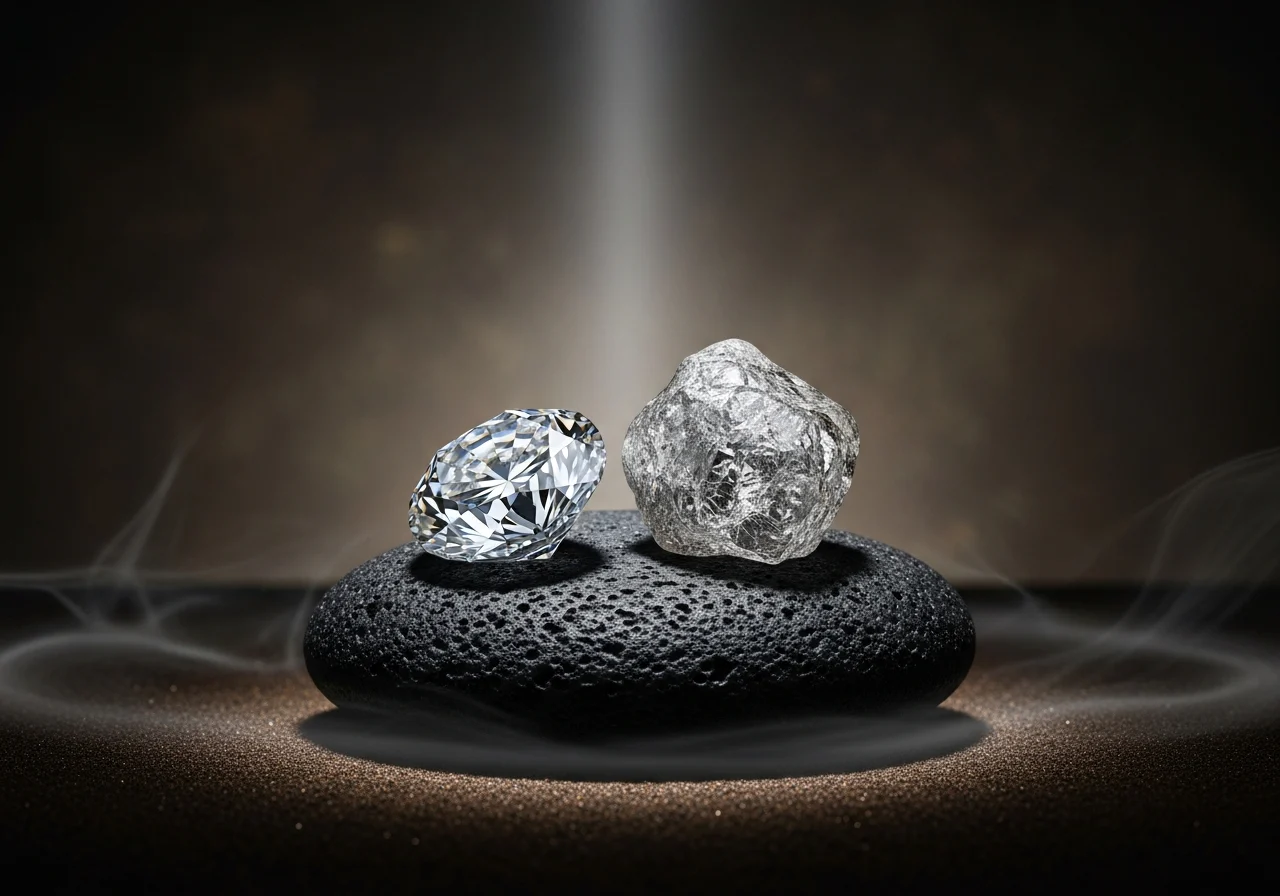
For centuries, a diamond represented a symbol of lasting commitment and wealth, its rarity making it particularly sought after. The story of these gems involved their formation over millions of years under immense pressure and heat, followed by discovery, cutting, and polishing. This long, natural process gave them a special status. However, recent scientific advancements have introduced another kind of diamond, one created in a laboratory. These new stones possess the same physical, chemical, and optical qualities as their earth-mined counterparts. Their arrival has started a discussion about what truly gives a diamond its value and meaning.
The introduction of manufactured diamonds has prompted a re-evaluation across the entire industry. From miners and cutters to jewelers and consumers, everyone is adjusting to this dual market. The way people think about diamonds, how they are priced, and what they signify is undergoing a considerable transformation. This period marks a pivotal moment, with different types of diamonds now side-by-side, each offering distinct advantages and appealing to different buyer priorities.
When considering lab-grown vs natural diamonds, the fundamental difference lies in their origin. Natural diamonds are geological wonders, formed deep beneath the Earth’s surface and brought closer to the surface through volcanic activity. Their creation process is a part of natural history, and each stone carries a unique story of its formation over eons. These diamonds are often prized for their rarity and the romance associated with their natural beginnings.
Manufactured diamonds, conversely, are grown in controlled laboratory environments. Scientists replicate the conditions that produce natural diamonds, either through High-Pressure/High-Temperature (HPHT) methods or Chemical Vapor Deposition (CVD). The result is a diamond that is chemically identical to a natural one, sharing the same hardness, sparkle, and general appearance. From a scientific perspective, they are the same material. The key distinction is that one comes from the earth, and the other from human ingenuity. This difference in origin sparks much of the debate surrounding their relative values and appeal.
The influence of manufactured diamonds in the market has grown significantly. Their presence is no longer a niche curiosity; it’s a major factor shaping consumer choices. Several elements contribute to the increasing lab-grown diamond market share.
This increased acceptance shows a shift in consumer priorities, where factors like cost, ethics, and clear origins are playing a larger role alongside traditional considerations of beauty and rarity. Jewelers are also responding, with many now offering both types of diamonds to meet varied customer demands.
With manufactured diamonds becoming more common, questions naturally arise about the standing of natural diamond value. For generations, the worth of a natural diamond was tied to its rarity, its creation story, and its perception as a finite resource. This perception supported high prices and a strong secondary market.
However, the presence of an identical, yet less expensive, alternative has put some pressure on the market for natural stones. While some segments of the market continue to prize natural diamonds for their historical significance and unique geological origins, others are rethinking what they are willing to pay. Industry experts generally agree that top-tier, unique natural diamonds (those with exceptional color, clarity, and size) will likely retain their high value due to their inherent scarcity. These are often seen as true collector’s items or investment pieces.
For more common natural diamonds, especially those in smaller sizes or lower qualities, the price gap with manufactured diamonds is becoming more noticeable. Some analysts suggest that natural diamonds will increasingly be valued for their heritage and the romance of their natural formation, positioning them as a distinct category of luxury item, separate from their lab-made counterparts. The market is effectively segmenting, with different value propositions for each type of gem.
The engagement ring market is perhaps where these diamond market trends are most evident and impactful. The selection of an engagement ring is a deeply personal decision, often representing significant financial outlay and emotional meaning. Historically, a natural diamond was the default choice, seen as the only proper symbol of lasting love.
Today, couples have a genuine choice. Many are finding that manufactured diamonds allow them to acquire a larger, more impressive stone for their budget, without sacrificing quality or sparkle. This means a couple might choose a 2-carat manufactured diamond over a 1-carat natural diamond for the same price, allowing them to achieve a particular look or size preference that was previously out of reach.
This shift also speaks to changing cultural values. Younger generations, in particular, often prioritize sustainability, ethical sourcing, and practical spending. A manufactured diamond aligns well with these values, offering a beautiful, genuine diamond that fits modern sensibilities. While the tradition of a natural diamond remains strong for many, the option of a manufactured diamond provides an attractive alternative that caters to different priorities and financial situations. The market now responds to desires for both traditional significance and modern practicality.
The way people buy diamonds is definitely changing. Buyers are now more informed and have more options than before. The internet provides easy access to information about both natural and manufactured diamonds, including details on pricing, origins, and ethical considerations. This means consumers often come to jewelers with a clear idea of what they want and what they expect to pay.
Expectations around price have shifted considerably. Where once a certain budget limited the size or quality of a diamond, manufactured diamonds have expanded what is possible within that same budget. This has prompted natural diamond sellers to emphasize the unique story, rarity, and investment potential of earth-mined stones, distinguishing them from their lab-grown cousins. Conversely, sellers of manufactured diamonds highlight their ethical production, lower cost, and identical physical properties.
Ultimately, the decision often comes down to individual priorities. Some will always prefer the mystique and natural origin of a mined diamond, viewing it as an heirloom with an irreplaceable history. Others will be drawn to the value, ethical production, and modern appeal of a manufactured diamond. The market is adapting to serve both preferences, allowing for a wider range of choices and personalized purchases.
The diamond market is currently in a state of evolution, with the rise of manufactured diamonds reshaping many aspects of the industry. This is not simply a passing trend but a fundamental alteration in how diamonds are produced, valued, and purchased. The presence of two distinct diamond types means that the market will likely continue to segment, with each finding its own place and appeal among different consumer groups.
Natural diamonds will continue to be cherished for their rarity, their natural formation, and the deep-seated traditions they represent. Their story of geological wonder will remain a powerful selling point for those who value heritage and scarcity. Manufactured diamonds, on the other hand, will likely continue to grow in popularity due to their accessibility, ethical appeal, and ability to offer impressive sparkle at a more approachable price point.
For buyers, this ongoing change means more choice and greater flexibility. Whether someone seeks the ancient story of a natural gem or the modern brilliance of a lab-created one, the market is developing to meet a broad spectrum of desires and budgets. The diamond world is not shrinking; it is expanding, offering new dimensions to the timeless appeal of these precious stones.