South Africa continues occupying a unique place inside global travel conversations. Few destinations combine dramatic coastlines, major cities, wine regions, mountains, and wildlife experiences with the same variety and scale. Travel here rarely follows a single rhythm. One journey can begin with urban energy in Cape Town and end beside elephants crossing open landscapes at sunset. That contrast remains one of the country’s strongest qualities. South Africa does not simply offer destinations; it offers entirely different worlds existing inside one journey.
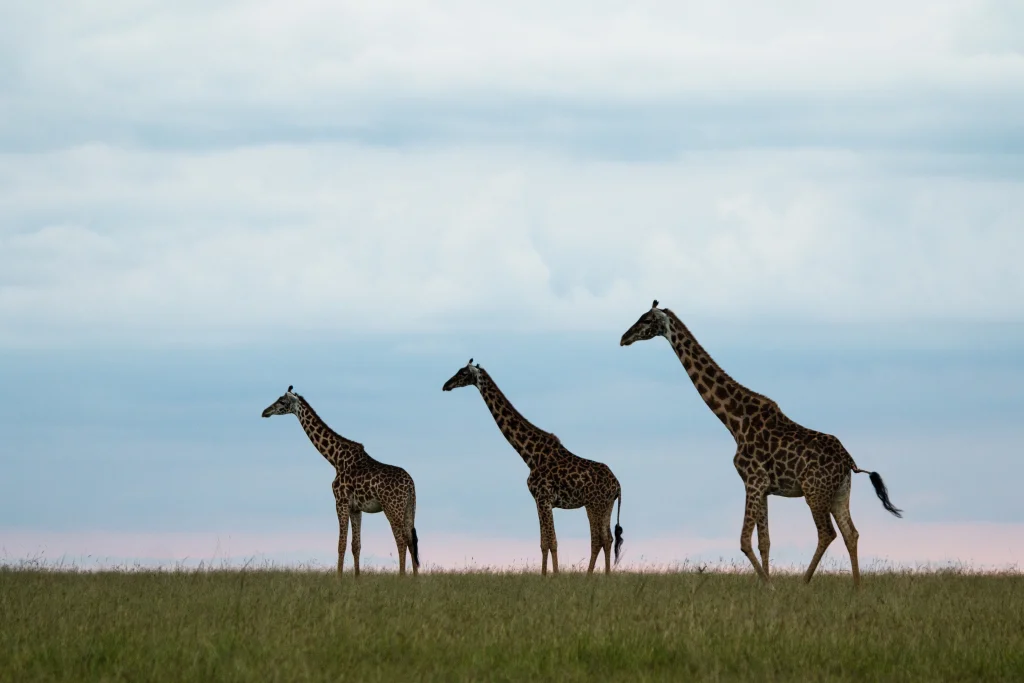
Safari travel itself continues experiencing remarkable growth. South Africa’s safari tourism market generated approximately USD 4.39 billion in 2025 and is projected to continue expanding strongly over the coming years as travelers increasingly seek immersive, experience-driven adventures. International arrivals also continue rising across the country, reflecting renewed global interest in outdoor experiences and nature-based travel. In 2025, South Africa recorded more than 18.9 million arrivals, confirming travel demand across the region remains exceptionally strong. Yet alongside this renewed appetite for safari experiences, another shift quietly emerged: travelers increasingly seek participation rather than observation.
Photography became central to that evolution long ago.
For more than four decades, Dereck and Beverly Joubert documented African wilderness through a visual language that shaped international perceptions of safari storytelling. As award-winning filmmakers, National Geographic photographers, conservationists, and storytellers, they continuously approached the African landscape through proximity, patience, and observation. Over time, one question gradually became increasingly important: if photography captures the essence of safari itself, why should that experience remain reserved only for professionals?
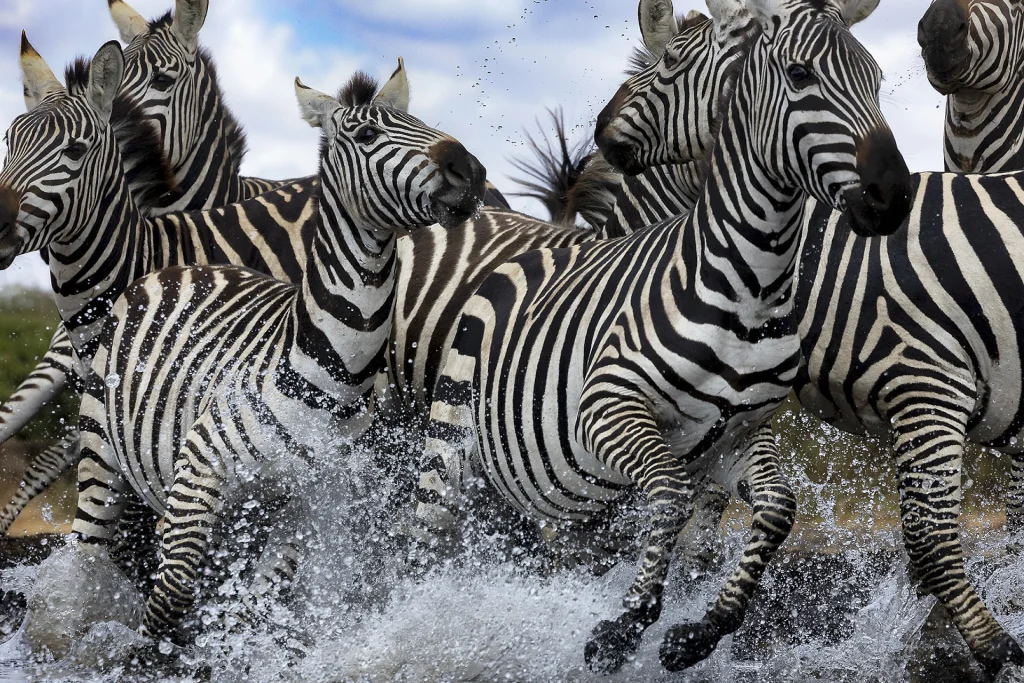
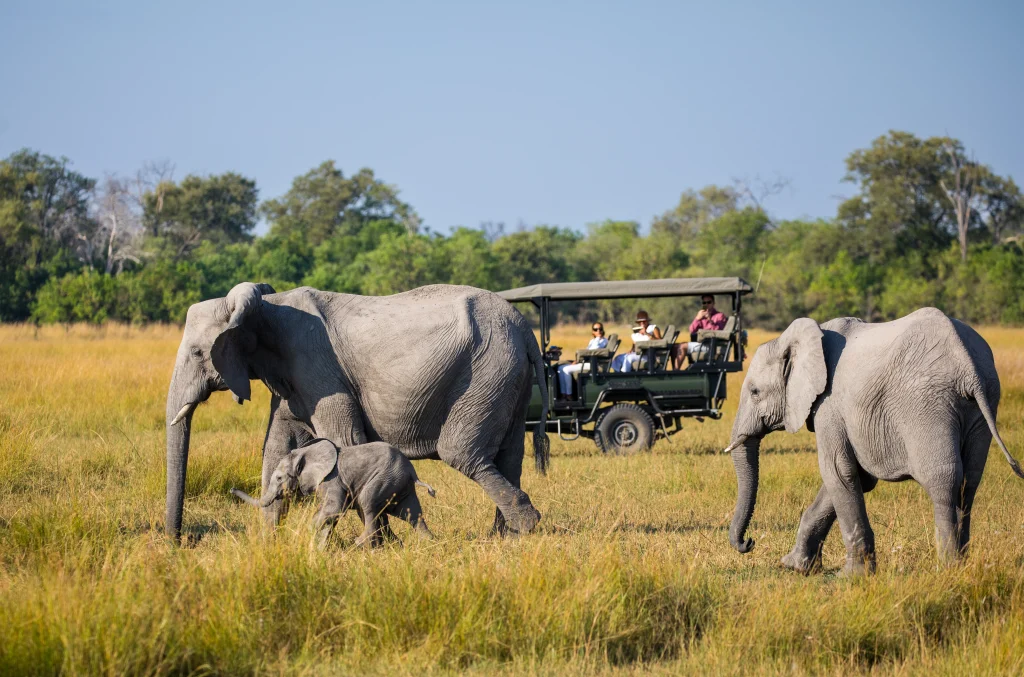
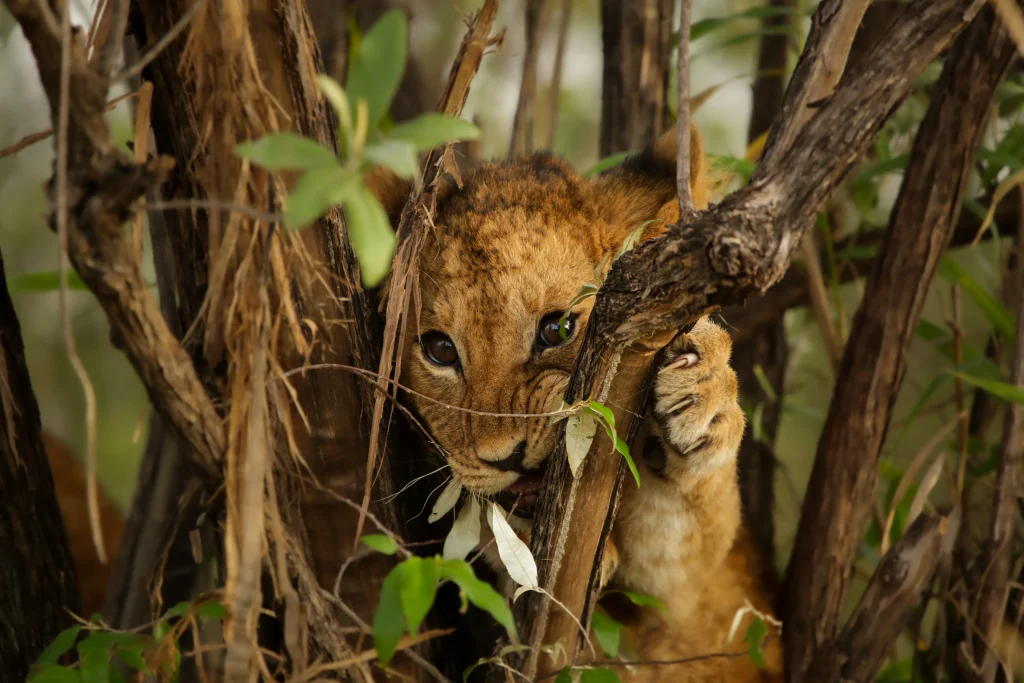
That philosophy eventually became part of everyday guest experiences throughout Great Plains and its Réserve Collection camps across Botswana, Kenya, and Zimbabwe. Upon arrival, guests discover professional mirrorless Canon cameras or larger 5D models waiting directly inside their suites, accompanied by carefully selected lens collections including telephoto lenses ranging from 100 to 400 millimeters designed specifically for wildlife photography.
The purpose extends beyond convenience alone. Dereck Joubert explained that the idea developed not simply to spare guests the challenge of carrying equipment around the world, but to introduce photography itself as an art form. Smartphone images remain immediate and practical. Creating photographs becomes something entirely different. The distinction changes the experience itself. After concise introductions led by guides trained according to National Geographic photographic standards, guests begin entering another version of safari. The process gradually shifts attention. Travelers stop simply observing animals and begin noticing light, timing, movement, and atmosphere. They search for moments rather than sightings alone. The experience becomes slower, more deliberate, and considerably more personal.
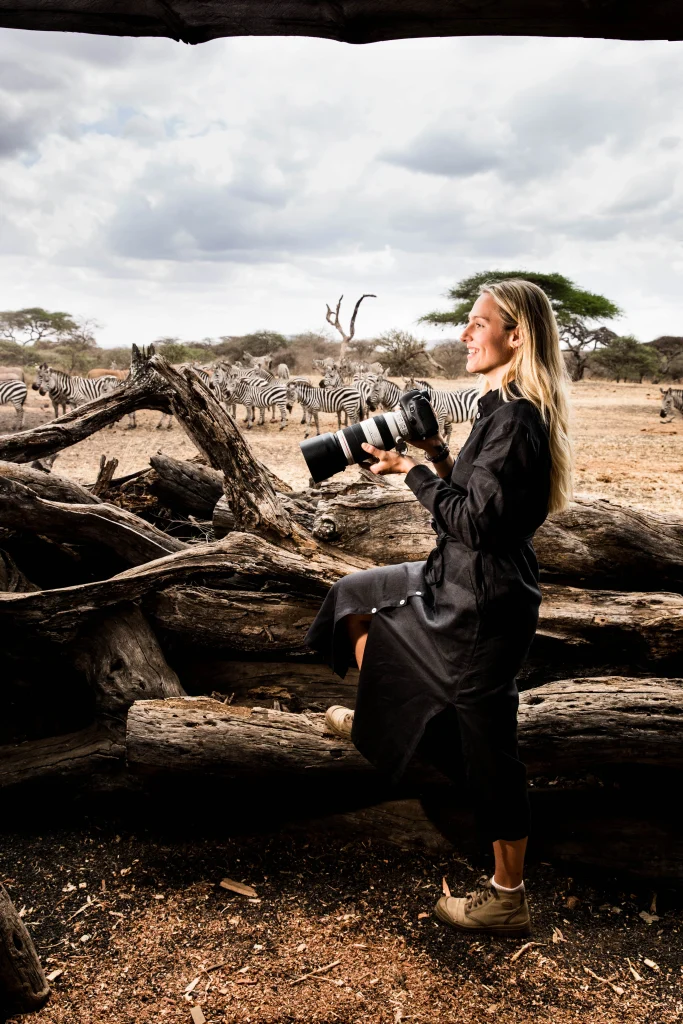
Guides themselves occupy another role in this process. Their expertise extends beyond tracking wildlife or understanding behavior patterns. They actively help guests think about perspective, framing, timing, and composition. Photography becomes another language through which safari is experienced.
Infrastructure throughout the camps supports that approach with equal precision. Open Toyota Land Cruisers specially adapted for photography include elevated roofs, side seating, camera mounts, and stabilizing supports developed to improve shooting conditions in the field. In water-rich regions, boats equipped with rotating seats introduce entirely different viewing possibilities and new photographic perspectives across rivers and wildlife environments.
At Great Plains, the process also continues long after returning from game drives. Images can be transferred directly onto smartphones via Wi-Fi on the same day, while guests later receive access to personalized digital galleries containing their complete collection of photographs. The experience gradually creates something larger than souvenirs: visual archives, personal travel narratives, and memories designed to continue existing long after departure.
S.elective particularly recommends exploring one specific destination within the Réserve Collection universe: Zarafa Camp in Botswana’s Selinda Reserve.
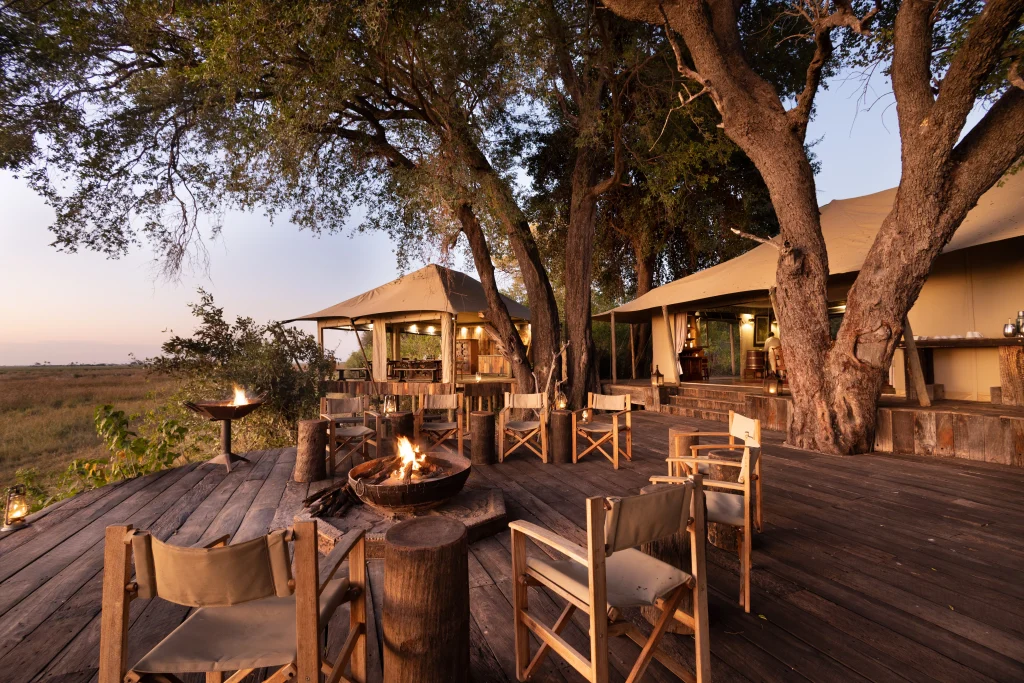
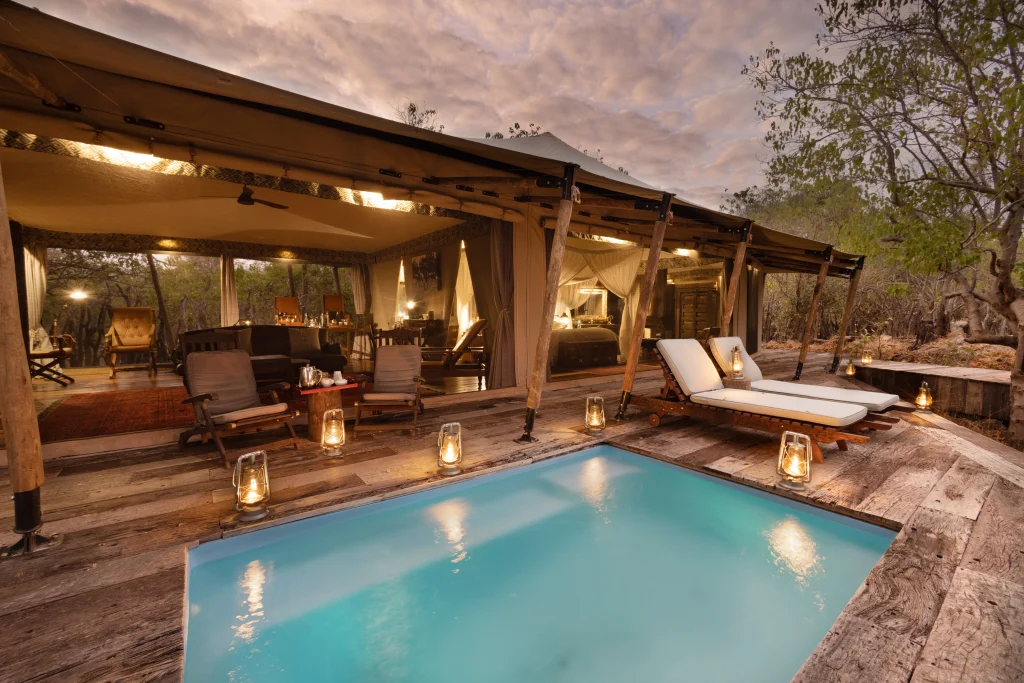
The camp demonstrates exactly why the photographic philosophy surrounding Great Plains works so naturally. Vast elephant herds move through some of Africa’s most untouched environments while predators continue shaping daily wildlife rhythms across the reserve. Elsewhere, Kenya’s Mara Nyika Camp places guests directly inside the movement of Maasai Mara ecosystems and offers extraordinary photographic possibilities extending well beyond migration periods. Along the Zambezi River, Tembo Plains Camp in Zimbabwe introduces another visual atmosphere entirely, where water, shifting light, and movement create unusual perspectives across river landscapes and wildlife encounters.
Photography also appears woven into the identity of Great Plains itself. Large-scale Fine Art prints by Beverly Joubert shape the atmosphere inside camp interiors, introducing the distinctive visual language developed by the couple over decades of work. Beverley’s recent publication Wild Eye: A Life in Photographs further condenses that journey into something larger than a book alone. It becomes a reflection on seeing itself.