Fashion has always maintained a complicated relationship with cinema. Runway shows create trends and magazines define seasons, yet films occasionally achieve something much larger: they create visual memories that continue living long after credits disappear from the screen. Certain looks stop belonging to costumes and become part of cultural language itself. Two decades later, The Devil Wears Prada remains one of those rare examples. It did not simply influence fashion. It quietly entered fashion history.
Twenty years have passed since Miranda Priestly walked into the Runway office, dropped her Prada handbag onto Andy Sachs’ desk, and delivered one of cinema’s most intimidating lessons in authority and style. Time moved forward, trends changed repeatedly, and entire aesthetics rose and disappeared. Yet the fascination surrounding Miranda, Andy, and the world of Runway never truly faded. The recent sequel proved exactly that. Generating more than 500 million dollars worldwide and surpassing the original film’s total box-office performance within its opening weeks, the continuation confirmed something the fashion industry already suspected: audiences never stopped caring.
The renewed attention also revived another conversation entirely — one connected less to cinema and more to collecting. According to fashion experts and resale platforms, pieces older than twenty years officially entered vintage territory. Suddenly, accessories once associated with the early 2000s no longer belonged to nostalgia alone. They entered a different category. History. And history frequently becomes highly desirable.
Fashion expert Lorenzo Altimani from Catawiki points directly toward that phenomenon. According to him, certain bags never fully disappear from public memory. Interest rises, fades, then returns again. The cycle continues. Real icons rarely leave permanently because they become attached to emotional moments rather than seasonal trends. Timing matters. Condition matters. Memory matters even more.
The return of Y2K aesthetics only intensified this process. Across fashion, references from the early 2000s continue appearing through silhouettes, accessories, and archival revivals. The Chloé Paddington, Balenciaga City, Dior Saddle, Lady Dior, Fendi Baguette, and Chanel Flap continue circulating through collector conversations and resale platforms. According to Catawiki, Prada and Chanel currently remain among the five best-selling handbag labels from that era. Fashion repeatedly proves one simple truth: people frequently buy memories disguised as objects.
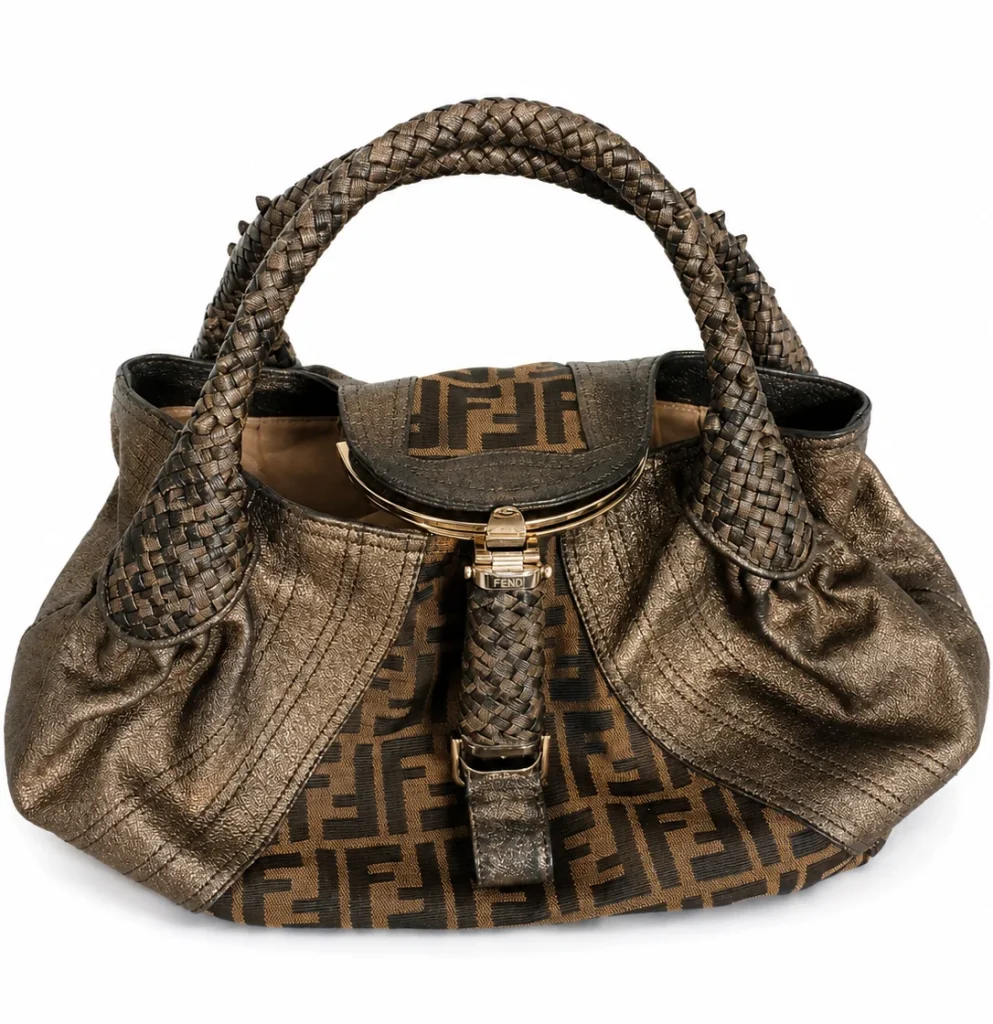
Among those remembered pieces, the Fendi Spy Bag occupies a particularly interesting place.
Launched in 2005, the Spy Bag arrived during precisely the cultural moment The Devil Wears Prada would soon immortalize. Fashion during those years operated with complete intensity. Oversized sunglasses became daily armor. High heels belonged everywhere. Offices functioned almost like performance spaces. The Fendi Spy captured that atmosphere perfectly. It felt glamorous, excessive, slightly impractical, and entirely unforgettable. Its holographic appearance in the film lasted only briefly, though visual impact rarely depends on screen time.
Its return today feels almost inevitable. Fashion repeatedly revisits objects carrying emotional familiarity because they reconnect people to moments attached to larger cultural memories. The Spy Bag did not simply return because of nostalgia. It returned because certain symbols continue carrying meaning.
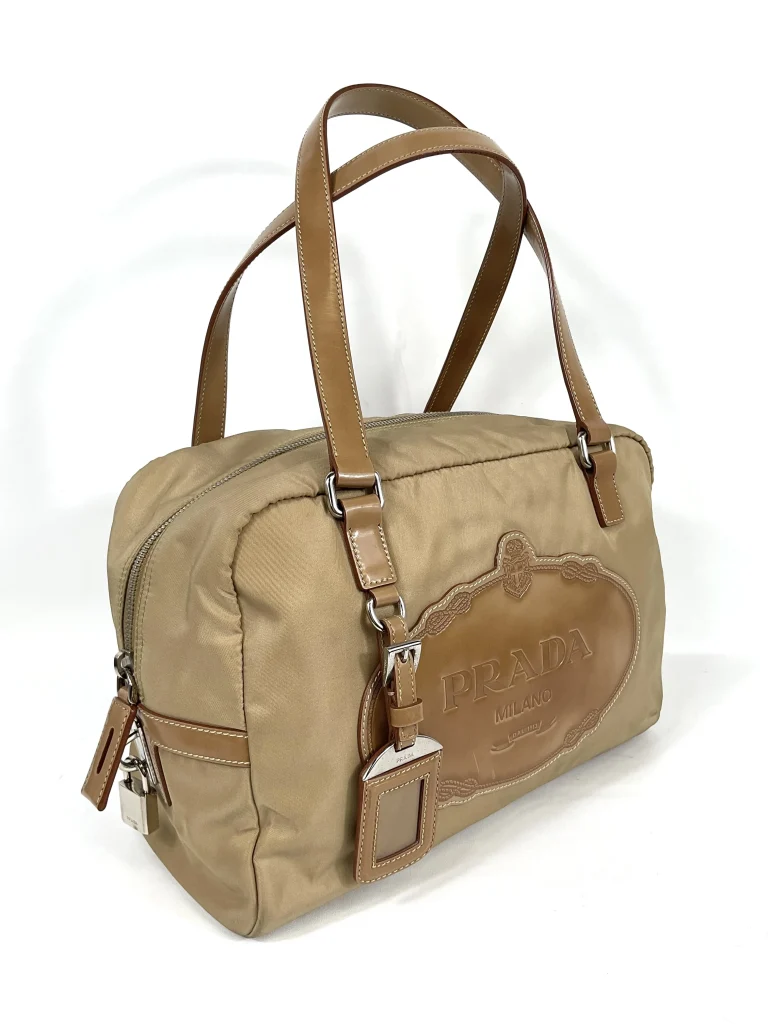
Miranda Priestly’s Prada bag belongs to that category as well.
Throughout the film, one repeated scene slowly transformed into visual mythology. Morning after morning, Miranda entered the office carrying either a Prada Spazzolato Tote or metallic Frame Bag before placing it sharply onto Andy’s desk. The movement itself became instantly recognizable. It represented authority, pressure, expectation, and ambition compressed into a single gesture. Fashion occasionally communicates through clothes. Sometimes it communicates through routine.
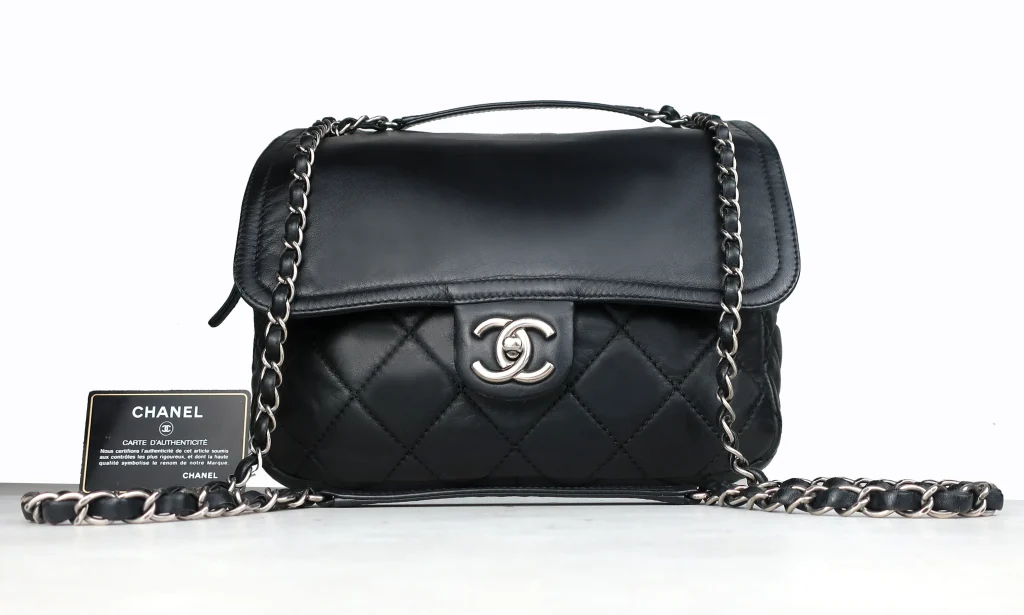
Then came Andy’s transformation, and with it one of the most recognizable accessories in fashion cinema.
The Chanel satchel accompanying Andy’s office entrance remains one of the strongest visual moments associated with the film. More importantly, the scene represented much more than a wardrobe update. Andy finally understood something central to fashion itself: clothing communicates identity before a single word is spoken. Confidence, belonging, aspiration, and self-awareness suddenly entered the conversation simultaneously.
The Chanel aesthetic presented in that moment also represented a very particular idea of femininity associated with the mid-2000s. Elegant without appearing distant. Refined while remaining accessible. That balance continues carrying influence years later because audiences still recognize themselves inside that promise.
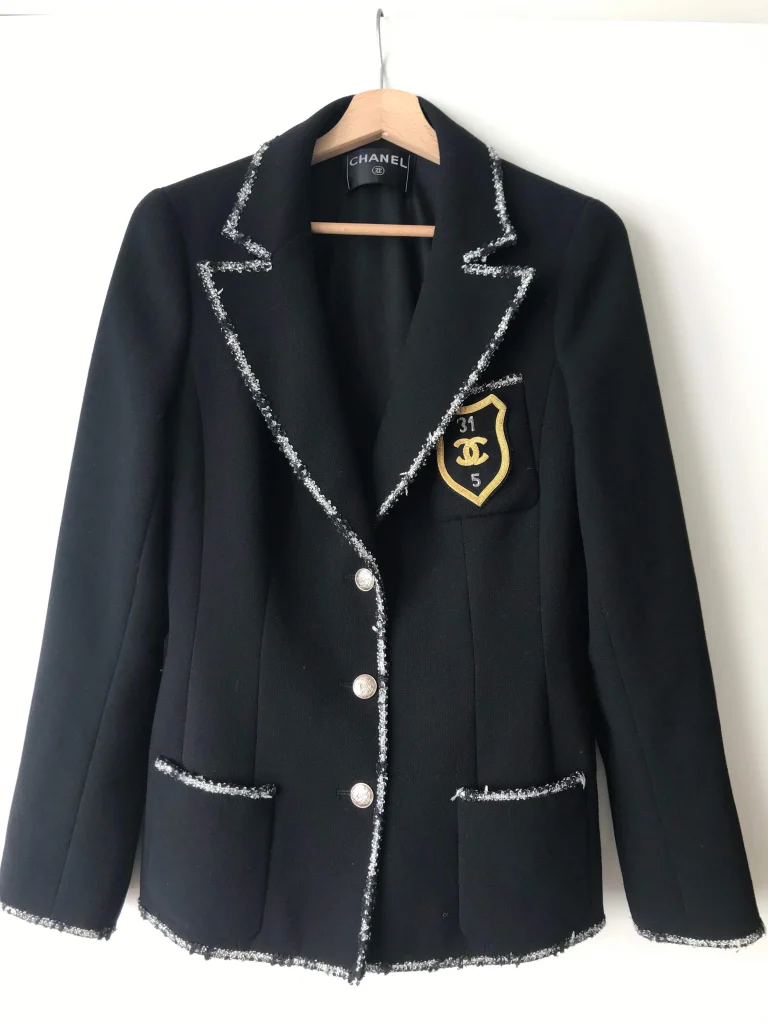
And then there was the Chanel blazer.
Frequently overshadowed by handbags and accessories, the blazer quietly became one of the strongest symbols of Andy’s evolution. Through structured tailoring and recognizable Chanel construction, it communicated movement away from oversized sweaters and practical office clothing toward something more intentional. The change represented awareness — of image, influence, and the social world surrounding fashion itself.
Twenty years later, The Devil Wears Prada continues proving something fashion occasionally forgets. Certain accessories eventually become attached to emotion, memory, and identity. Bags survive because they carried a moment people wanted to keep. And once fashion enters memory, it rarely disappears completely.