For a while, it seemed like the eyes had it all. Elaborate eyeshadow looks, precise eyeliner flicks, and dramatic lashes held center stage in the beauty world. But take a look around today, and you’ll notice a distinct shift. The focus has moved south, landing squarely on the mouth. From high-shine glosses to nourishing oils and even classic matte lipsticks, lip products have staged a remarkable comeback, capturing the attention of beauty enthusiasts everywhere. The question on many minds is: Why lip products are so popular again? It’s a fascinating turn of events, driven by a complex mix of market dynamics, human feeling, and the powerful reach of digital platforms.
The numbers don’t lie. After a period where face masks often hid our mouths, leading to a dip in interest for lip color, the category has bounced back with impressive strength. Industry reports and market analyses show a significant lip product sales growth across the globe. This isn’t just a minor uptick; it’s a substantial rise, indicating a renewed consumer appetite for items that adorn the lips. Data from various beauty retailers and research firms consistently point to a vigorous expansion in this segment, often outpacing other makeup categories. This growth isn’t uniform across all lip items; certain formulations and finishes are particularly driving the trend, hinting at specific desires consumers currently hold.
What accounts for this sharp upward trajectory? Part of it is undoubtedly a post-pandemic rebound. As people re-entered social settings, the desire to present a complete, polished look returned. But it goes deeper than that. This resurgence is also fueled by specific product innovations and a fresh wave of cultural influences that have put lips back in the spotlight, making them a key part of personal expression.
One cannot discuss the modern popularity of lip products without acknowledging the monumental impact of celebrity culture and social media. A pivotal moment in recent beauty history was the rise of the Kylie Jenner lip trend. When Kylie Jenner launched her lip kits, featuring liquid lipsticks and matching liners, it wasn’t just a product launch; it was a cultural phenomenon. Her influence, particularly among younger demographics, was immense. The desire for a fuller, more defined pout became a widespread beauty aspiration, directly translating into massive sales and a new standard for lip makeup.
Beyond one individual, social media platforms like TikTok and Instagram act as powerful engines for beauty trends. Short video tutorials, “get ready with me” content, and product reviews quickly popularize specific looks or items. A single viral video showcasing a particular lip gloss or a unique application method can cause a product to sell out nationwide in a matter of hours. The constant stream of new content, coupled with the ability for anyone to become an influencer, means that trends spread with incredible speed. These platforms offer a visual feast, where lips, often enhanced with filters and clever lighting, become a central point of attraction, inspiring countless users to replicate the looks themselves. This continuous cycle of inspiration and aspiration keeps lip products firmly in the public eye and shopping carts.
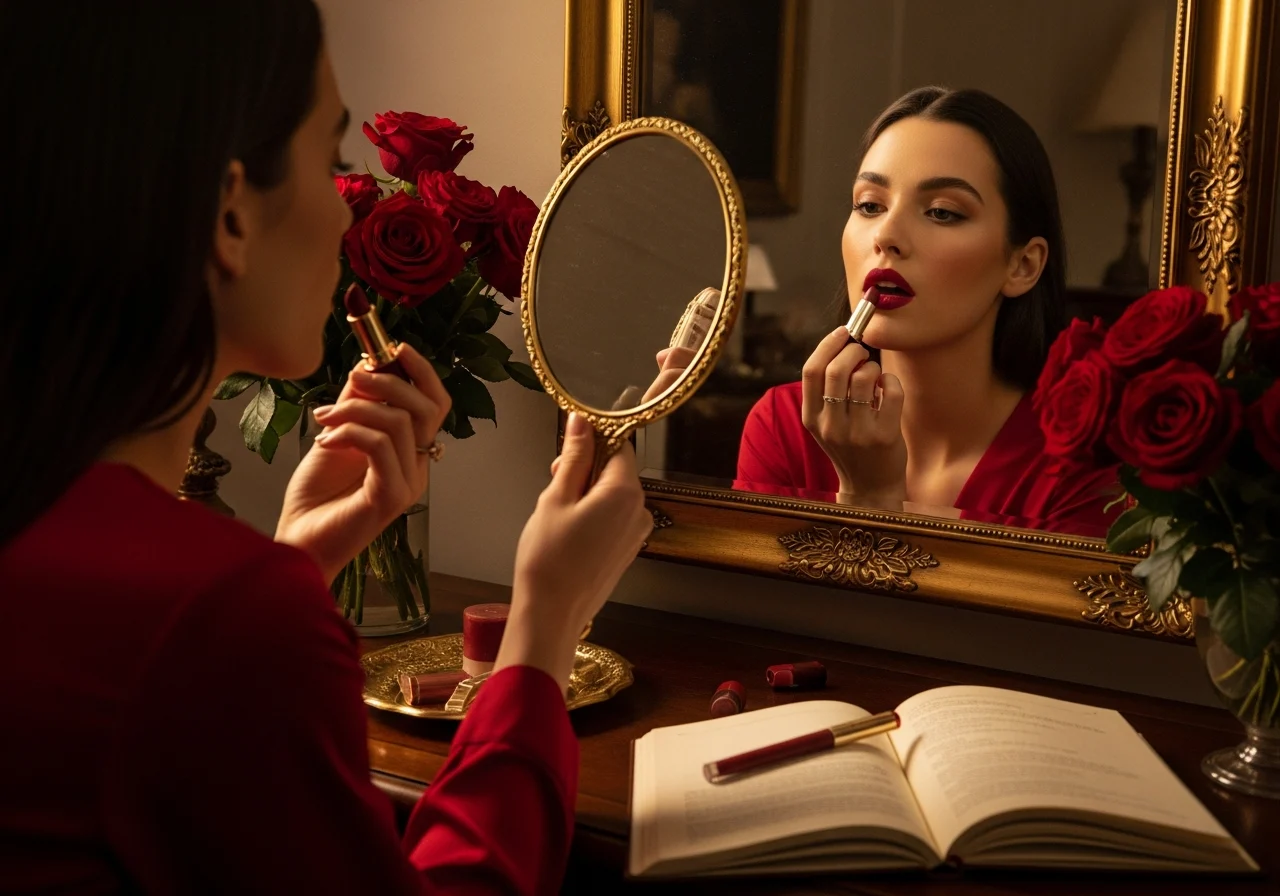
The attraction to lip products goes beyond mere aesthetics or fleeting trends; it taps into something deeper. There’s a profound emotional appeal of lip makeup that resonates with people across different ages and backgrounds. For many, applying a lip product is a ritual, a small moment of self-care that can transform one’s mood. A swipe of lipstick or a dab of gloss can provide an instant boost of confidence, a feeling of being put together, even on the busiest of days. It’s a simple yet effective way to feel more polished and ready to face the world.
Furthermore, lip makeup is a potent tool for self-expression. The choice of color – a bold red, a subtle nude, a playful pink – communicates something about one’s personality, mood, or even intentions. It allows individuals to project a certain image or experiment with different facets of their identity. In times of uncertainty, a familiar and comforting beauty routine, centered around a favorite lip product, can offer a sense of stability and control. This psychological aspect is a crucial, often underestimated, factor in their enduring popularity.
While matte lipsticks had their moment, the current era is undoubtedly defined by shine and comfort. The skyrocketing lip gloss and oil popularity stands as a testament to this shift. Modern lip glosses are a far cry from their sticky predecessors; today’s formulations offer high shine without the tackiness, often infused with hydrating ingredients. Lip oils, in particular, have captured a significant market share. These products combine the nourishing properties of a balm with the luscious sheen of a gloss, providing comfort and a healthy-looking finish. They feel good on the lips, often plumping them slightly and leaving them feeling soft and supple. This focus on comfort and a natural, juicy appearance aligns perfectly with current beauty preferences that lean towards a more ‘clean girl’ aesthetic or simply a desire for products that enhance rather than merely cover.
The visual impact of gloss and oil is also important. They catch the light beautifully, making lips appear fuller and more inviting. This look translates exceptionally well on camera, making them perfect for social media content. Their ease of application is another draw; a quick swipe is all it takes, making them ideal for touch-ups throughout the day and suitable for people who prefer a low-maintenance beauty routine.
The current rise in lip product sales is not an isolated incident; it’s part of a much longer history of lip adornment. Throughout different generations and economic cycles, lip products have maintained a consistent presence in beauty kits. From ancient civilizations using crushed berries to the flappers of the 1920s with their cupid’s bows, and the power reds of the 1980s, lips have always been a focal point for decoration. This enduring appeal points to something fundamental about human nature and how we use makeup.
Even during economic downturns, a lipstick or a lip gloss is often considered an “affordable luxury.” It’s a relatively inexpensive item that can still provide a sense of indulgence and a mood lift, making it a resilient category even when consumers are cutting back on bigger purchases. This consistent drawing power across varying conditions shows that lip products offer more than just color; they offer accessible glamour and a dependable source of joy.
Lip products have solidified their status as major visual and commercial symbols within the beauty industry. Think of the iconic images associated with classic beauty – often, a striking lip color is at the center. From the elegant tubes of luxury lipsticks to the playful packaging of modern glosses, these items are designed to be desirable objects in themselves. They represent aspiration, sophistication, and a touch of everyday magic.
Commercially, the lip category is a powerhouse. It drives significant revenue for beauty brands, inspires constant innovation in formulas and shades, and serves as an entry point for many consumers into the world of makeup. For beauty companies, a successful lip line can establish brand identity and create a loyal following. The sheer variety available today – from matte to satin, sheer to opaque, liquid to solid – ensures there is a lip product for every preference, occasion, and budget, solidifying their place as essential items in the beauty market.
The current popularity of lip products shows no signs of slowing down. As trends continue to evolve, one can expect further innovations in texture, ingredients, and application methods. The emphasis on comfort, hydration, and a healthy-looking pout seems set to continue, alongside opportunities for bold color and artistic expression. The enduring power of social media will undoubtedly keep lip products at the forefront of beauty conversations, ensuring their place as a central, beloved element of personal style for years to come. The irresistible pout, it seems, is here to stay.