Once upon a time, a famous face on a magazine advertisement was enough to make beauty products fly off the shelves. Celebrities lent their glamour to established brands, a familiar dance of endorsement and aspiration. Today, the script has flipped entirely. We’re seeing a new kind of star power, one where the celebrity isn’t just the face, but the very heart and soul of the brand itself. These aren’t just endorsements; these are celebrity beauty brand success stories, written by the stars themselves.
The beauty industry has always been dynamic, but the past decade has brought a seismic shift. Companies led by household names, from pop icons to screen legends, are not merely co-existing with legacy brands; they are often outperforming them, setting new standards for product development, marketing, and consumer connection. What’s the real magic behind this phenomenon? It’s a fascinating mix of personal branding, a deep understanding of consumer desires, and a willingness to shake up old ways of doing business.
When a celebrity launches a beauty line, it comes with built-in recognition. Their name alone cuts through the noise of a crowded market. But the initial buzz, while important, isn’t the whole story. The true strength comes from these being founder-driven beauty brands. The celebrity isn’t just a spokesperson; they are the visionary, the creative director, the person whose personal style and values are woven into every product.
Consider the connection consumers feel. When someone buys a product from a brand started by, say, a beloved musician, they aren’t just purchasing a lipstick or a serum. They’re buying a piece of that celebrity’s aesthetic, their philosophy, their personal journey. This creates a much stronger emotional link than a traditional advertisement ever could. It’s about trust, aspiration, and a feeling of being part of something bigger than just a product. The public feels like they know these founders, they’ve watched their careers, and that familiarity translates into a willingness to try what they create.
This personal touch allows these brands to build a community, not just a customer base. Followers of the celebrity often become devoted customers, eager to support their idol’s latest venture. This level of loyalty is a powerful asset, providing a stable foundation for growth and allowing these brands to experiment and innovate with confidence.
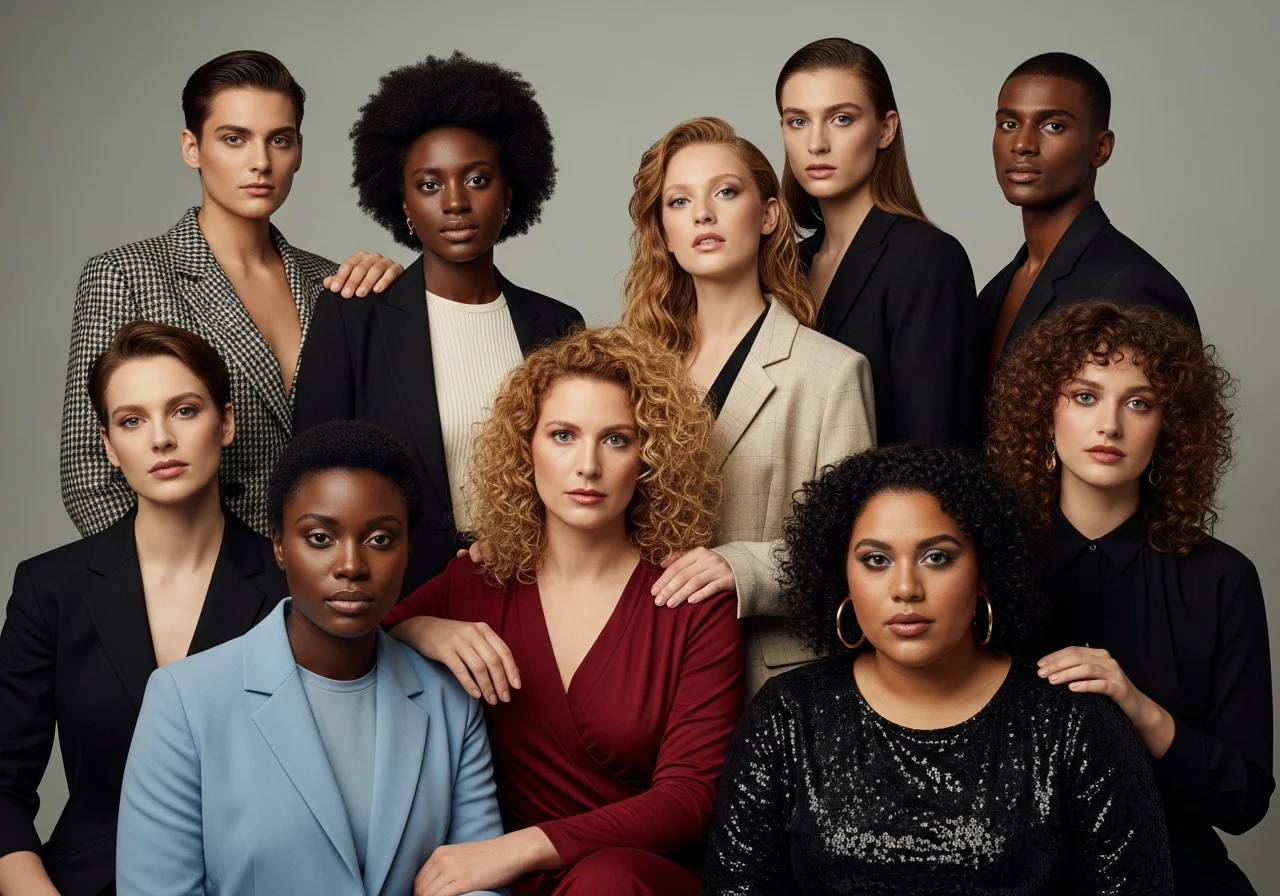
No discussion of modern celebrity beauty success would be complete without talking about Rihanna and Fenty Beauty’s marketing impact. When Fenty Beauty arrived on the scene, it didn’t just launch a few products; it launched a revolution. The brand’s immediate and widespread success wasn’t solely due to Rihanna’s star power, though that certainly played a part. It was the strategic decision to lead with inclusivity, making it the central pillar of its entire brand identity.
Fenty Beauty burst forth with an unprecedented 40 (later expanded to 50) shades of foundation, a move that sent shockwaves through the industry. Before Fenty, many brands offered a limited range, leaving countless individuals, particularly those with darker skin tones, struggling to find a match. Rihanna’s brand didn’t just offer these shades; it made them front and center in all its marketing. Images showed a diverse array of models, celebrating every skin tone, body type, and background. This wasn’t just good optics; it was smart business.
The message was clear: everyone deserves to find their shade, to feel seen and celebrated. This approach resonated deeply with a global audience who had long felt overlooked. Fenty Beauty didn’t just sell makeup; it sold a feeling of belonging and empowerment. This marketing strategy, rooted in a genuine commitment to diversity, created a loyal following and spurred a wider industry shift, proving that catering to an underserved market was not just the right thing to do, but also incredibly profitable.
Fenty Beauty’s success highlighted a crucial truth: the beauty industry had a significant blind spot when it came to diversity. Its arrival sparked a widespread awakening, transforming inclusivity in the beauty market from a niche consideration to a fundamental expectation. Consumers, now more aware and vocal, began demanding that all brands step up their game.
This shift goes beyond just foundation shades. It extends to product formulations suitable for various skin types and concerns, advertising campaigns featuring models of all ages, genders, and abilities, and even packaging design that considers accessibility. Brands that genuinely commit to these principles are seeing their efforts rewarded with strong customer loyalty and positive public perception. Those that lag behind risk being seen as out of touch and irrelevant.
Celebrity founders often have a unique advantage here. Many of them come from diverse backgrounds themselves or have a platform that allows them to champion these causes authentically. Their personal stories and connections can lend credibility to their brand’s commitment to inclusivity, making it feel less like a marketing ploy and more like a deeply held value. This authentic connection to cultural relevance helps these brands connect with a broad audience in a meaningful way.
While a celebrity’s name can open doors, it takes more than fame to build a lasting beauty enterprise. The long-term success of these brands hinges on product quality, continuous innovation, and a genuine connection with the consumer base. Celebrity influence on beauty purchases might get people to try a product once, but sustained engagement comes from delivering on promises.
Successful celebrity beauty brands understand that the market moves quickly. They invest in research and development, bringing out new formulations, expanding product lines, and responding to consumer feedback. This agility is often a hallmark of founder-led companies, where the creative vision comes directly from the top and can adapt quickly.
Moreover, these brands excel at building communities. They use social media not just for advertising, but for interaction, education, and fostering a sense of belonging among their customers. Live Q&As with the founder, behind-the-scenes glimpses into product development, and user-generated content all contribute to a feeling of shared experience. This direct line of communication helps them stay attuned to what their customers want and builds a deeper, more enduring relationship than traditional advertising alone.
The rise of celebrity beauty brands signals a significant evolution in the industry. It shows that today’s consumers are looking for more than just effective products; they seek authenticity, values alignment, and a story they can connect with. The most successful brands are those where the founder’s identity is truly intertwined with the brand’s mission, creating a powerful narrative that resonates with a diverse global audience.
This isn’t just a fleeting trend; it’s a new standard for entrepreneurship in the beauty world. It highlights that market advantage now goes to those who understand cultural shifts, champion inclusivity, and build genuine connections. The future of beauty will likely see even more innovation driven by these principles, continually pushing the boundaries of what a beauty brand can be.