There is a quiet revolution happening in the world of men’s personal care. For a long time, the concept of grooming for men was quite narrow, often limited to shaving, a haircut, and perhaps a splash of aftershave. Today, however, that picture has dramatically changed. The idea of modern men’s grooming has moved far past mere functional upkeep; it now covers a full spectrum of personal care practices, reflecting a significant cultural shift in how men perceive and present themselves. This evolution is not just a passing trend; it signals a deeper transformation in societal views on masculinity and attractiveness.
The current landscape of men’s personal care is much wider, encompassing everything from advanced skincare routines to diverse hair styling products and even makeup. This broadening perspective marks a departure from older, more restrictive definitions of what it means to look good as a man. It represents a conscious choice by many to explore personal expression through appearance, moving beyond the simple necessities to a more considered and often experimental approach to self-presentation.
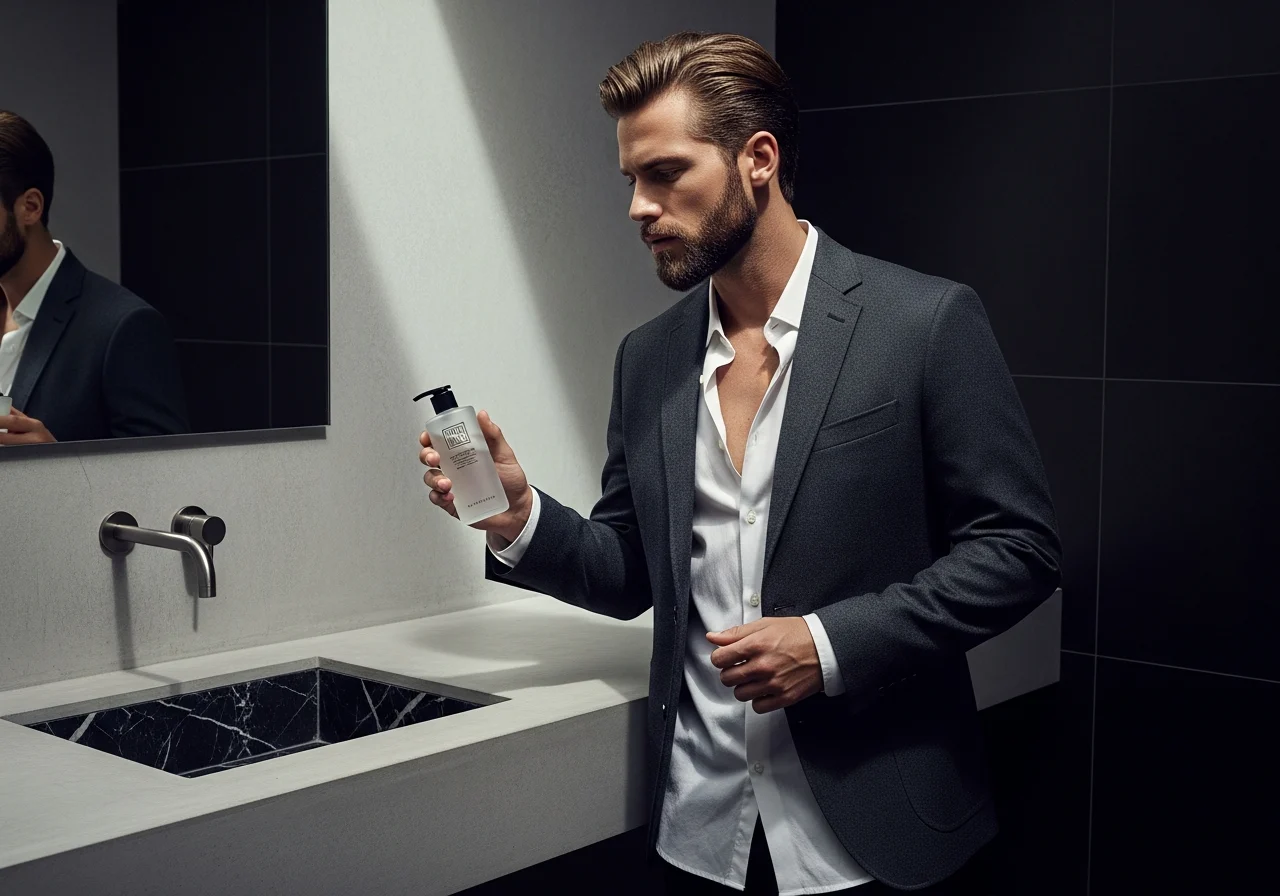
The journey from a minimal grooming routine to today’s extensive options has been swift. What was once considered a niche interest for a select few is now a common practice for many. This change is particularly noticeable in the area of men’s skincare growth. Historically, a bar of soap might have been the extent of a man’s facial care. Now, shelves in stores and online platforms are filled with cleansers, toners, serums, moisturizers, and sunscreens specifically formulated for men’s skin. This focus on skin health and appearance shows a greater awareness of long-term self-care and a desire to maintain a youthful, healthy look.
The reasons for this increased attention to skincare are varied. Exposure to information about skin health, an understanding of anti-aging benefits, and the simple pleasure of a self-care ritual all contribute. Men are discovering that looking after their skin not only improves their appearance but can also boost their confidence. This segment of the market has seen consistent expansion, with new products and brands frequently appearing, all catering to a male consumer base that is increasingly educated and discerning about what they put on their skin.
The changes in men’s grooming are not just anecdotal; they are strongly supported by market data. Men’s grooming market trends indicate a substantial and sustained period of expansion. Reports from various industry analysis firms consistently show double-digit growth rates in many sectors of male personal care. For instance, global market valuations for men’s grooming products, which include everything from shaving creams to fragrances and hair care, have been projected to reach tens of billions of dollars in the coming years, continuing an upward trajectory.
This financial expansion is driven by several factors. A growing disposable income among male consumers, combined with a greater willingness to spend on personal care items, plays a significant role. Advertising strategies have also evolved, moving away from portraying grooming as solely functional to presenting it as a form of self-investment and personal expression. Furthermore, the accessibility of a vast array of products through e-commerce and specialized retail outlets has made it easier for men to discover and purchase items that suit their individual needs and preferences. The industry has responded by offering more specialized and premium products, further fueling consumer interest and spending.
Beyond market figures, cultural shifts are a powerful engine for change. Certain public figures have played a crucial role in altering perceptions of male beauty and style. One of the most prominent examples is the Harry Styles beauty impact. Styles, known for his music and acting, has also become a fashion icon who frequently challenges traditional gender norms in his appearance.
His choices in clothing, makeup, and general presentation – often featuring painted nails, pearl necklaces, dresses, and soft, romantic aesthetics – have had a considerable influence. He demonstrates that masculinity can be expressed in many ways, including those that borrow from historically feminine styles, without diminishing a man’s strength or appeal. This public display of varied self-expression has helped to normalize ideas around gender-fluid aesthetics men can adopt, showing that style and beauty are not confined by strict categories. Styles’ influence extends beyond his direct fans, creating a broader conversation about what male beauty can mean and encouraging others to experiment with their own looks.
The conversation around male attractiveness is undergoing a profound transformation. The concept of redefining male beauty involves moving away from a singular, often rigid, ideal of masculine appearance. For generations, male beauty was frequently associated with stoicism, ruggedness, and a very specific set of physical traits. Today, a wider array of looks and expressions are celebrated. This includes acknowledging that men can care about their appearance without it being seen as vain or less masculine.
This redefinition also closely links with the increasing acceptance of gender-fluid aesthetics men are exploring. The idea that clothing, makeup, or grooming practices are inherently “for women” is gradually fading. Instead, individuals are choosing styles and products based on personal preference and how they wish to express their identity, rather than adhering to outdated gendered rules. This allows for greater creativity and authenticity in personal presentation. The rise of social media platforms has also accelerated this trend, providing spaces where men can share their diverse grooming routines and styles, finding communities that support their choices.
This shift is not about erasing traditional masculinity but expanding its definition. It means that a man can be strong and masculine while also having an elaborate skincare routine, wearing subtle makeup, or experimenting with different hair colors and styles. It’s about personal choice and the freedom to define one’s own appearance.
For the modern man, these changes present both opportunities and choices. The market provides an abundance of products and services, allowing for highly personalized grooming routines. Men can now address specific skin concerns, experiment with different fragrances, or maintain intricate beard styles with specialized products. The availability of information, from online tutorials to expert advice, means that men can educate themselves on effective techniques and product usage.
This expanded view of grooming also means that men have greater permission to enjoy the process of self-care. What was once seen as a chore or an indulgence primarily for women is now recognized as a legitimate and beneficial part of a man’s overall well-being. Taking time for a thoughtful grooming routine can be a moment of calm, a way to prepare for the day, or a method to relax in the evening.
Furthermore, this cultural shift encourages men to think about their appearance as a tool for self-expression. Just as clothing can convey personality, so too can a chosen hairstyle, a well-maintained beard, or healthy skin. It allows men to present themselves to the world in a way that truly reflects who they are, rather than conforming to an outdated mold.
The current trajectory suggests that the world of modern men’s grooming will continue its dynamic evolution. We can expect further innovation in product development, with more science-backed formulations and sustainable options. Personalized services, such as bespoke skincare consultations or custom-blended products, will likely become more prevalent. The integration of technology, from AI-powered skin analysis to virtual try-on tools, will also play a larger role in helping men make informed choices.
Culturally, the movement towards greater inclusivity and personal expression in male beauty is likely to strengthen. As more men feel comfortable exploring diverse aesthetics, the lines between traditional gendered grooming will continue to blur, leading to a broader acceptance of individual style. The conversation will likely move beyond simply “grooming” to a wider concept of “male self-care,” encompassing mental and emotional well-being alongside physical appearance.
Ultimately, the transformation in men’s grooming is a reflection of a society that increasingly values individuality and authenticity. It shows that personal care is not a trivial pursuit but a significant aspect of self-identity and confidence for men in the modern world.