Fashion continually cycles, yet some styles possess timeless allure. Indeed, a vintage dress design renovated in current time offers unparalleled elegance and individuality. This process breathes new life into historical garments, merging classic beauty with contemporary sensibilities.
Furthermore, reimagining vintage pieces aligns perfectly with sustainable fashion practices. It reduces waste, promotes unique expression, and celebrates the artistry of past eras. Therefore, understanding the practical steps for this transformation is essential for any aspiring designer or fashion enthusiast.
This guide provides actionable strategies, helping you expertly blend historical charm with modern appeal. Discover how to create truly unique and relevant fashion statements today.
The journey begins with selecting the right vintage garment. Consequently, careful sourcing and thorough assessment are crucial steps. A well-chosen foundation ensures a successful renovation project.
Look for robust construction and natural fabric compositions like silk, wool, or cotton. Furthermore, examine seams for durability and check for original labels that can indicate quality craftsmanship. Avoid pieces with irreparable damage such as extensive dry rot or large, permanent stains.
Consider the garment’s original era; for example, 1940s dresses often feature strong shoulders, while 1970s pieces might showcase flowing silhouettes. Identifying these characteristics helps in envisioning potential modernizations. Always prioritize garments with solid structural integrity.
Before any design work, conduct a detailed condition assessment. Check for minor tears, loose buttons, or faded areas that might require repair or creative concealment. Moreover, a gentle, professional cleaning is often necessary to remove odors and accumulated dirt without damaging delicate fibers.
Document the garment’s original state with photographs; this provides a valuable reference during the renovation process. Properly store the piece in a cool, dark place to prevent further degradation. This preparation safeguards your investment and streamlines subsequent design steps.
Understanding the original design’s essence is vital for thoughtful modernization. Therefore, a careful analysis of its components is necessary. Pinpointing iconic features allows for targeted updates.
Analyze the garment’s fundamental silhouette; for instance, a 1950s full-skirted dress or a 1920s dropped-waist flapper dress. Identify unique details like intricate embroidery, specific collar styles, or distinctive sleeve designs. These elements define the piece’s historical character.
Consider which details are central to its vintage charm and which can be altered or removed. Perhaps the original buttons are exquisite, but the shoulder pads feel dated. This selective approach helps maintain authenticity while introducing freshness.
Research the fashion trends, social influences, and textile innovations of the garment’s original era. For example, wartime utility styles prioritized practicality, while post-war fashion embraced extravagance. This historical insight enriches your design decisions.
Knowing the context helps you appreciate the garment’s original purpose and appeal. Consequently, you can decide whether to subtly nod to its origins or make a bolder statement by contrasting it with modern aesthetics. Ultimately, this informed perspective guides your renovation choices.
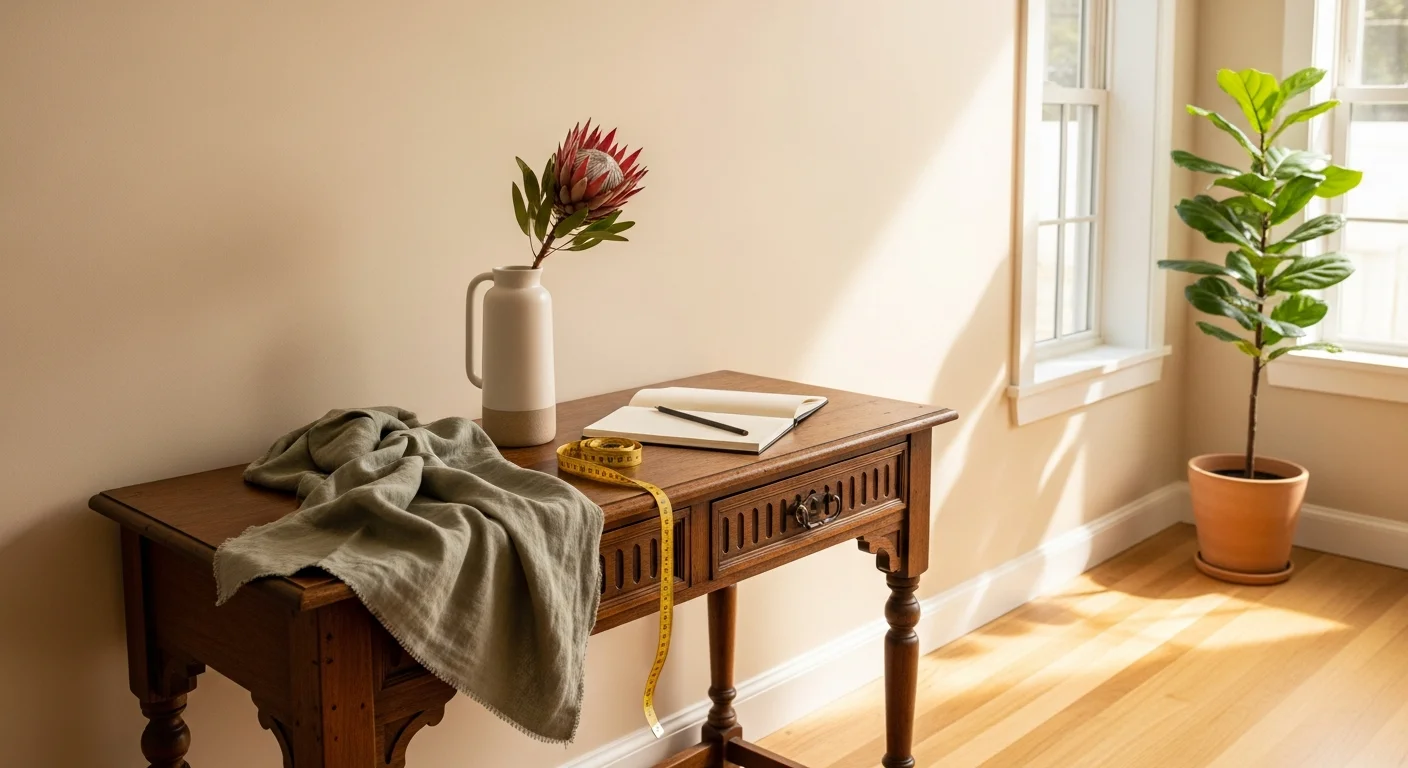
Transforming a vintage piece requires a clear vision for its contemporary appeal. Consequently, strategic updates are paramount. These changes bridge the gap between past and present.
Introduce modern fabrics or embellishments to update the garment’s texture and visual interest. For instance, replace a heavy satin lining with a lightweight, breathable silk or add contemporary lace panels. Consider using current hardware, like sleek metal zippers, instead of original, bulkier ones.
Alternatively, incorporate small, modern details such as crystal accents or delicate beaded trim. These additions can dramatically alter the garment’s perceived age and elevate its sophistication. Remember, balance is key to a cohesive design.
Modernize the silhouette by adjusting hemlines, waistlines, or sleeve lengths. A floor-length vintage gown, for example, might become a chic midi dress. Similarly, a wide, boxy top could be cinched at the waist for a more tailored look.
Consider current fashion trends regarding proportion; oversized shoulders from the 1980s might be scaled down, or a voluminous skirt could be streamlined. These alterations ensure the renovated piece feels relevant and wearable today. Therefore, don’t be afraid to make significant structural changes.
A perfect fit is crucial for any garment, especially a renovated vintage piece. Indeed, expert tailoring transforms an ill-fitting historical item into a flattering modern design. This attention to detail ensures wearability and comfort.
Vintage sizing differs significantly from contemporary standards; therefore, precise measurements are essential. Adjust darts, seams, and allowances to conform to modern body shapes. A garment originally designed for a narrow waist might need expansion, or vice versa.
Furthermore, consider adding or removing structural elements like boning or padding to enhance comfort and achieve a desired silhouette. A well-tailored piece not only looks better but also feels more comfortable to wear. This customization makes the garment truly yours.
Employ contemporary sewing and finishing techniques to ensure durability and a polished appearance. Use strong, color-matched threads and reinforce stress points. For example, update raw edges with French seams or bias binding for a clean interior finish.
Pay close attention to details like buttonholes, zippers, and hems. These small elements significantly impact the overall quality and longevity of the renovated garment. Consequently, investing in professional finishing elevates the entire design.
Once renovated, styling the piece effectively integrates it into current fashion. Therefore, thoughtful pairing is essential. This showcases its versatility and contemporary appeal.
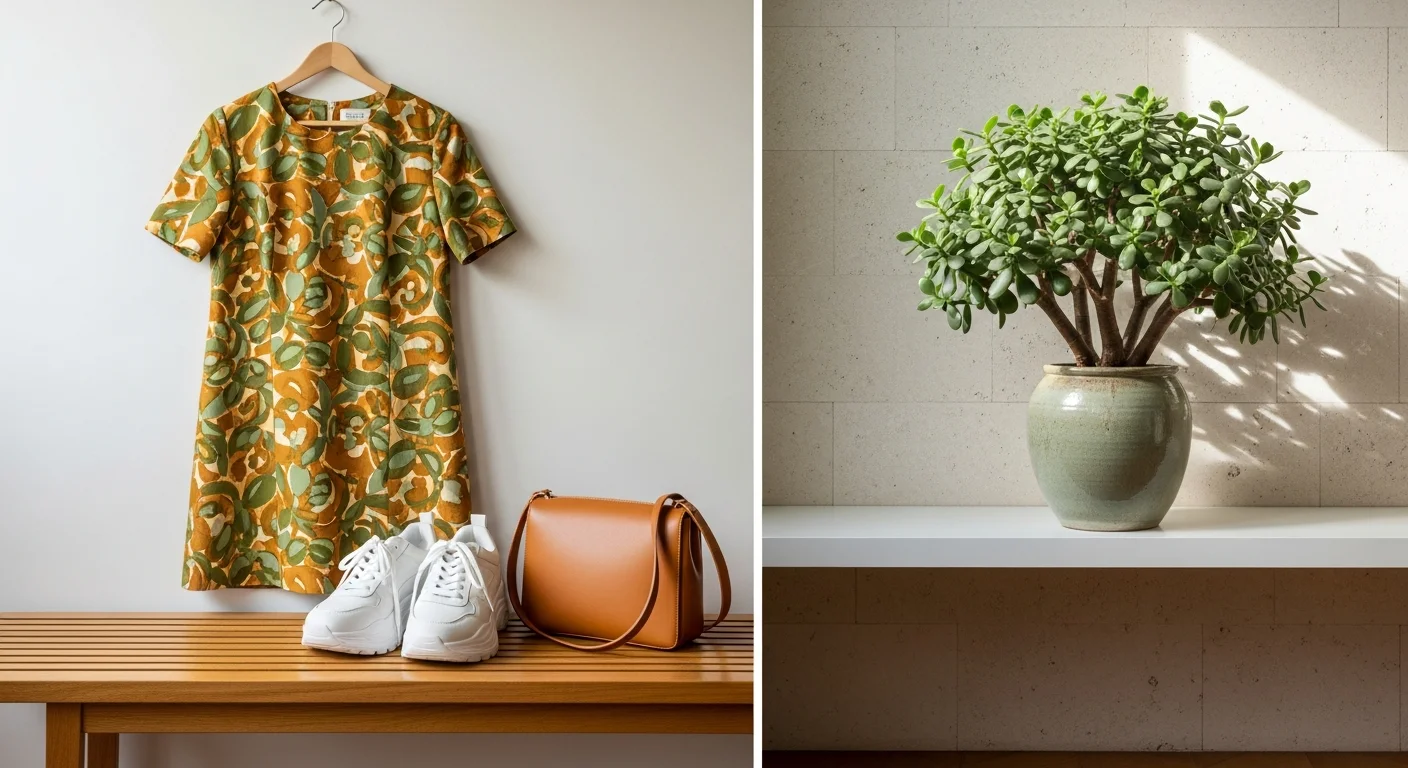
Combine your renovated vintage dress with modern accessories, footwear, and outerwear. For instance, pair a 1960s shift dress with chunky sneakers and a sleek crossbody bag. This juxtaposition creates an interesting and fashionable look.
Consider layering a renovated vintage blouse under a contemporary blazer or over a simple slip dress. Such combinations demonstrate how effortlessly the piece can blend with current styles. Experimentation is key to discovering unique pairings.
Highlight the garment’s adaptability for various occasions. A modernized vintage cocktail dress, for example, could be dressed down with a denim jacket for a casual outing or elevated with heels for an evening event. Therefore, present multiple styling options.
Emphasize that these pieces are not just for special occasions but can be incorporated into everyday wardrobes. Demonstrating practical wearability encourages others to embrace renovated vintage fashion. This approach broadens its appeal.
Renovating vintage clothing offers significant environmental benefits. Indeed, it champions a more sustainable approach to fashion. This practice minimizes ecological footprint and promotes conscious consumption.
By transforming existing garments, you directly divert textiles from landfills. This process, known as upcycling, conserves resources like water and energy that would otherwise be used for new fabric production. Furthermore, it lessens the demand for virgin materials.
Every renovated piece contributes to a circular economy, extending the lifespan of clothing. This mindful approach helps combat the fast fashion industry’s detrimental impact. Consequently, choosing renovation is an active step towards environmental stewardship.
Renovated vintage items offer a distinctive alternative to mass-produced clothing. Each piece tells a story, offering individuality that cannot be replicated by new garments. This uniqueness encourages consumers to value quality and craftsmanship over fleeting trends.
Moreover, embracing renovated fashion fosters a more conscious mindset about consumption. It encourages buyers to consider the origin and longevity of their clothing. Therefore, promoting such designs cultivates a more thoughtful and sustainable fashion culture.
Renovating vintage dress designs for current times is a rewarding endeavor that merges history with modern style. It offers a unique opportunity to create personalized, sustainable, and truly distinctive fashion pieces. Furthermore, this process celebrates craftsmanship while minimizing environmental impact.
By following these practical steps, you can confidently transform forgotten treasures into cherished garments that resonate with today’s fashion landscape. Start your renovation journey today and redefine your wardrobe with timeless elegance. Discover the incredible potential of vintage fashion!