The beauty world, once a realm of department store counters and glossy magazine pages, has undergone a dramatic makeover. It is no longer just about the product itself, but how that product finds its way to you, how you learn about it, and how you feel connected to the brand. This profound shift, often called the Beauty Industry Digital Transformation, has rewritten the rules for success, turning traditional sales models on their head and opening up exciting new avenues for connection and creativity.
For years, buying makeup, skincare, or fragrances meant a trip to a physical store. Shoppers would test shades, feel textures, and get advice from sales associates. While that experience still holds a certain charm, the digital age has introduced a parallel universe of discovery and purchase that is growing at an incredible pace. This article explores the driving forces behind this change, offering a look at the strategies that have propelled brands into the digital spotlight and reshaped how we think about beauty.
The numbers don’t lie: the growth of online beauty sales growth has been nothing short of astounding. What started as a trickle of internet orders has become a torrent, with consumers increasingly comfortable buying everything from foundation to serum with a click. Several factors contribute to this rise. Convenience is a major player; customers can shop anytime, anywhere, without the pressure of a retail environment. The sheer variety available online far surpasses what any single physical store can offer, giving shoppers access to niche brands and international products previously out of reach.
Furthermore, the digital space provides a wealth of information. Product reviews, ingredient lists, and virtual try-on tools empower consumers to make informed decisions from their couches. This access to information and a wider selection has made online shopping a preferred method for many, changing expectations for how beauty products are researched and acquired.
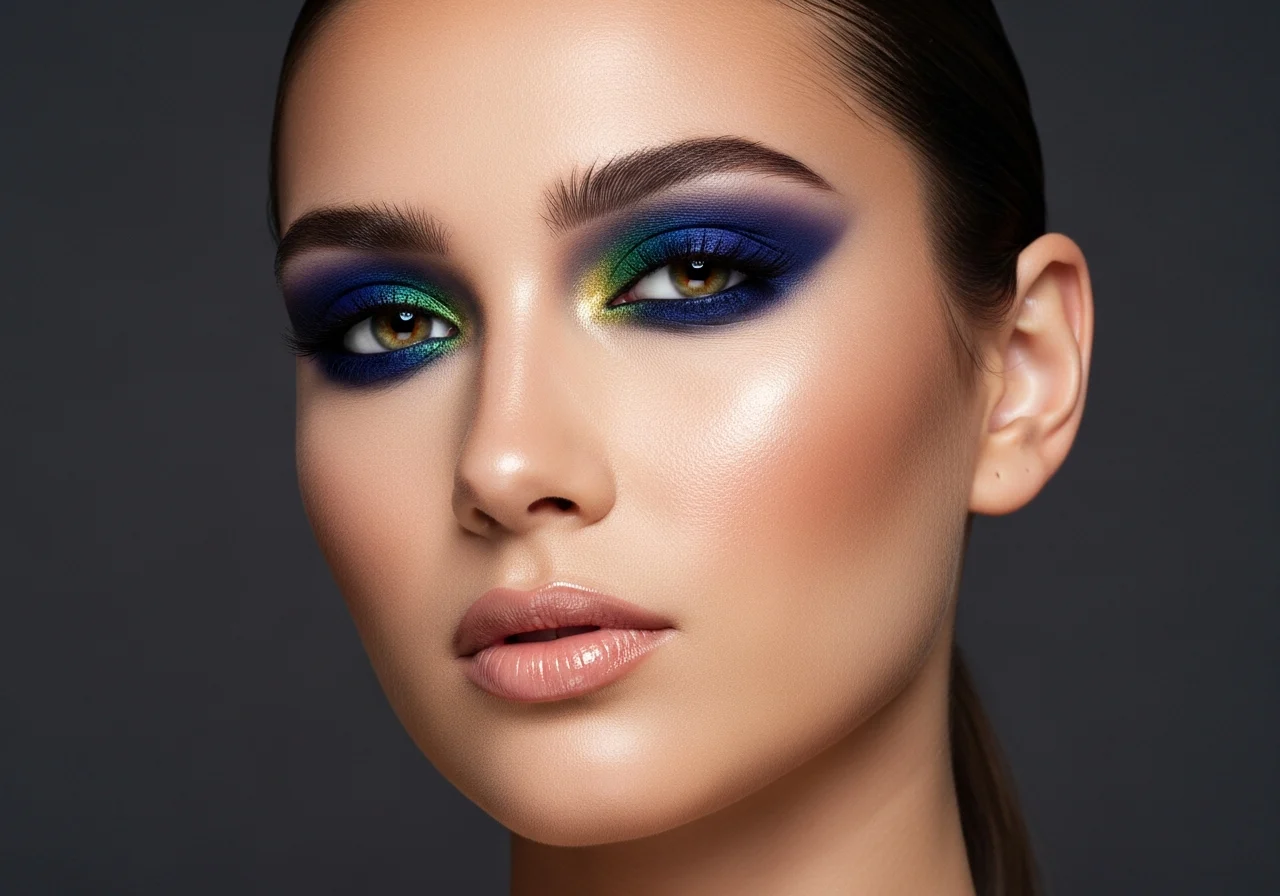
If there’s one arena that has completely redefined how beauty brands interact with their audience, it’s social media. Social media beauty marketing is no longer an optional extra; it is a fundamental pillar of any successful strategy. Platforms like Instagram, TikTok, and YouTube have become the new storefronts, magazines, and advice columns all rolled into one. Here, brands can tell their stories, showcase products in action, and build communities around shared interests.
The rise of influencers has been a game-changer. These content creators, with their authentic voices and dedicated followers, act as trusted advisors. A recommendation from a favorite beauty guru can drive sales spikes that traditional advertising struggles to match. User-generated content – real people showing off their looks and routines – also plays a crucial part, building trust and showing products in diverse, relatable settings. This kind of organic buzz creates a powerful network effect, making social platforms indispensable for brand visibility and customer engagement.
To understand the sheer power of digital transformation, one need only look at the incredible rise of Huda Beauty. The story of Huda Beauty marketing strategy serves as a prime example of how to build a global empire from a blog and a strong social media presence. Huda Kattan, the brand’s founder, began as a beauty blogger and YouTube personality, sharing makeup tips and tutorials. Her genuine passion and expertise resonated deeply with her audience, who felt a personal connection to her.
When Huda Beauty launched its first products, primarily false eyelashes, Kattan already had a massive, loyal following eager to try what she created. Her strategy was simple yet profoundly effective: put the product directly into the hands of her audience, listen to their feedback, and continuously engage with them through social media. She leveraged her own influence and collaborated with other creators, showing the products in real-world applications rather than relying solely on polished ad campaigns. This direct approach, combined with high-quality products that delivered on their promises, allowed Huda Beauty to grow from a small startup to a multi-billion-dollar brand, proving the immense potential of digital-first thinking.
Another significant development in the digital beauty world is the shift towards Direct-to-Consumer (D2C) models. Many beauty companies are now choosing to sell their products directly from their own websites rather than relying solely on third-party retailers. This approach offers several compelling advantages. Firstly, it gives brands complete control over the customer experience, from website design to shipping and customer service. This control allows for a consistent brand message and a highly personalized shopping journey.
Secondly, selling D2C provides invaluable data. Brands can gather detailed information about who is buying their products, what they are buying, and how they interact with the brand online. This data is gold, allowing companies to refine their product offerings, tailor marketing campaigns, and predict future trends with greater accuracy. By cutting out the middleman, D2C brands can also often offer more competitive pricing or higher profit margins, reinvesting those savings into product development or enhanced customer service. It fosters a more intimate relationship between the brand and its patrons, building loyalty and community.
The digital realm has completely reshaped the process of beauty product discovery. Gone are the days when a limited selection at a local store dictated what you could try. Today, the internet offers a vast universe of options, but with that comes the challenge of finding what works best for you. Brands are rising to this challenge by creating engaging and informative content.
Video tutorials are paramount, demonstrating how to use products, offering application tips, and showcasing different looks. Interactive quizzes help consumers pinpoint their skin type or preferred makeup style, leading them to tailored product recommendations. Augmented reality (AR) apps allow for virtual try-ons, letting users see how a lipstick shade or hair color might look on them before making a purchase. Detailed blog posts and educational articles provide deeper insights into ingredients and formulations. This rich tapestry of content empowers consumers to explore, learn, and confidently choose products that align with their specific needs and preferences, making the discovery process both fun and effective.
The transformation of the beauty industry is far from over. As technology continues to advance, so too will the ways brands connect with their audiences. Artificial intelligence (AI) is already playing a role, personalizing recommendations based on past purchases and browsing history. Virtual reality (VR) could offer even more immersive shopping experiences, allowing consumers to “visit” virtual stores or consult with AI-powered beauty advisors. The focus will remain on personalization, convenience, and creating a strong sense of community.
For brands looking to succeed in this dynamic environment, adapting is key. This means consistently investing in digital channels, understanding the nuances of various social platforms, fostering genuine connections with customers, and being ready to innovate. The companies that thrive will be those that view digital tools not just as sales channels, but as powerful instruments for storytelling, education, and building lasting relationships.
For any brand seeking to make its mark in the contemporary beauty market, a few strategies stand out:
The shift to digital has not diminished the appeal of beauty; it has simply changed the stage. Brands that understand and act on these changes are not just keeping up; they are setting the pace for what comes next. The digital beauty world is a vibrant place, full of opportunity for those ready to explore its possibilities.