In a world often marked by economic ups and downs, one area consistently shows remarkable strength: the high-end beauty market. It’s a fascinating phenomenon, how this segment of consumer goods continues to expand, even when other industries face difficulties. For those in the beauty business, understanding this sustained vigor is key. What makes people keep reaching for premium skincare, makeup, and fragrances? It’s a combination of deep-seated desires, clever brand strategies, and a unique connection with the people who buy these products.
The strength of the prestige beauty market isn’t a happy accident. It stems from several core pillars that resonate deeply with consumers. People aren’t just buying items; they are acquiring experiences, efficacy, and a certain feeling of treating themselves well. There’s a tangible difference in the quality of ingredients, the research behind the formulations, and the overall user experience that often comes with higher-priced products. This distinction provides a compelling reason for customers to invest more.
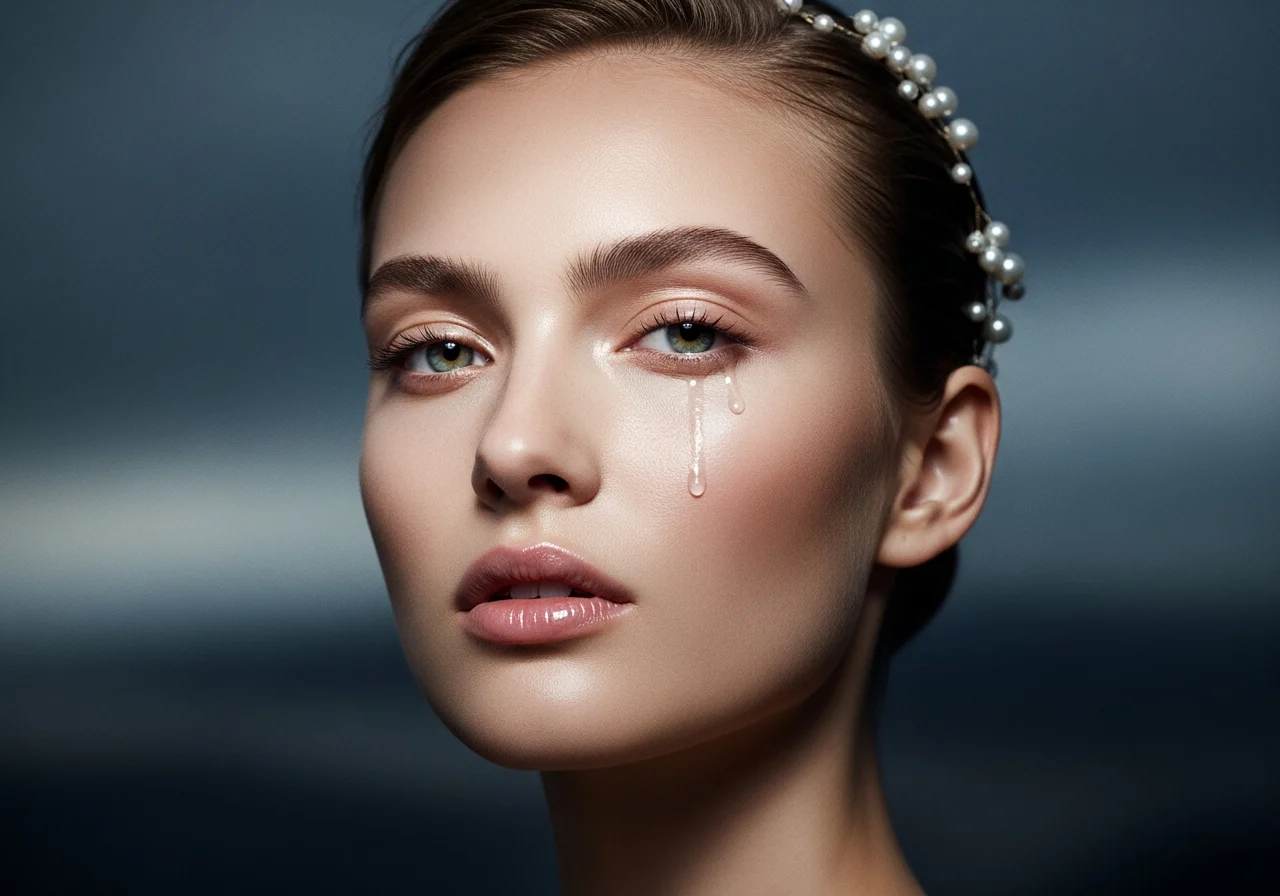
When budgets tighten, one might expect consumers to cut back on luxuries first. Yet, the opposite often happens in beauty. Small, personal treats become even more significant. A new, luxurious serum or a special lipstick can offer a moment of joy and self-affirmation, a little lift during challenging times. This “treat yourself” attitude isn’t about extravagance alone; it’s about prioritizing personal well-being and a sense of control over one’s daily routine. It’s a way to feel good, to look after oneself, and to maintain a personal standard of living, no matter what external pressures exist.
Beyond the immediate feel-good factor, significant scientific progress and ingredient innovation play a big part. Brands continually introduce new technologies, advanced formulations, and ingredients backed by research. This constant evolution keeps the market fresh and exciting, giving consumers new reasons to explore and upgrade their routines. The promise of genuine results, whether it’s improved skin texture or longer-lasting makeup, makes the investment feel worthwhile. This quest for advanced solutions is a significant driver for many looking to improve their appearance and confidence.
One of the most potent forces behind the success of high-end beauty is the art of emotional storytelling. These brands do more than just sell products; they tell stories that connect with people on a deeper level. They create narratives around aspirations, dreams, and personal transformation. It’s about what a product represents, how it makes you feel, and the world it invites you into. Consider the names of products, the imagery in advertisements, or the language used in descriptions – they all work to build a compelling narrative that goes far beyond the functional aspects of the item itself.
When a brand successfully weaves a story, it creates a bond that transcends simple transactions. Consumers don’t just buy a moisturizer; they buy into the promise of radiant skin, the feeling of confidence, or the idea of a luxurious morning ritual. This emotional connection fosters loyalty and makes the product feel like a personal ally rather than just another item on a shelf. It’s a key strategy for many successful brands, turning casual shoppers into devoted followers.
To see emotional storytelling and smart marketing in action, one only needs to look at the Charlotte Tilbury marketing strategy. This brand has become a powerhouse by skillfully tapping into the desires of the aspirational beauty consumer. Charlotte Tilbury, a renowned makeup artist, built her brand not just on her expertise but on a vision of empowering everyone to feel and look their best. Her approach is a fantastic example of building a strong connection with customers.
The brand’s success comes from several key moves. First, the product names themselves are evocative and inspiring: “Pillow Talk” lipstick, “Magic Cream,” “Hollywood Flawless Filter.” These names don’t just describe; they promise a feeling or an outcome. Second, the brand uses a mix of celebrity endorsements and relatable tutorials, making high-glamour looks feel achievable for everyday people. The visual world of Charlotte Tilbury is consistently glamorous, yet inviting, showing how anyone can achieve a polished, beautiful appearance.
Furthermore, Charlotte Tilbury understands the aspirational beauty consumer deeply. These are individuals who want to improve themselves, who seek products that offer a touch of luxury and the promise of looking and feeling more confident. They are drawn to brands that suggest a better version of themselves is within reach. By offering products that deliver on both performance and the feeling of high-end indulgence, Charlotte Tilbury has created a strong following. The brand doesn’t just sell makeup; it sells a dream of glamour and self-assurance.
The aspirational beauty consumer is a critical piece of the high-end market’s strength. These individuals are motivated by more than just basic needs. They seek products that align with their desires for self-improvement, status, and a feeling of belonging to a certain lifestyle. They often view beauty purchases as investments in themselves, believing that better products lead to better outcomes, both in appearance and self-perception.
Brands that succeed with this demographic understand that these consumers are looking for authenticity, quality, and a sense of shared values. They want to feel like they are part of something special, whether it’s a community of like-minded beauty enthusiasts or a brand that represents their personal values, such as sustainability or ethical sourcing. This desire for connection and meaning plays a huge role in their purchasing decisions, moving beyond simple product features to what the brand truly stands for.
The high-end beauty market isn’t static; it constantly evolves. Several key luxury beauty market trends are shaping its future and contributing to its ongoing strength. One major factor is the growing demand for sustainability and transparency. Consumers, especially younger generations, want to know where ingredients come from, how products are made, and what impact brands have on the planet. Brands that prioritize ethical practices and clear communication are earning trust and loyalty.
Personalization is another powerful trend. From customized skincare routines based on individual needs to bespoke fragrance experiences, consumers are looking for products and services tailored specifically for them. This level of customization makes the beauty experience feel even more exclusive and effective. Digital engagement also continues to grow, with virtual try-ons, online consultations, and social media interactions becoming standard ways for brands to connect with their audience. Finally, experiential retail, where stores offer more than just shopping but also services, events, and immersive brand experiences, is bringing new energy to physical spaces.
For beauty industry professionals and marketers, the lessons from the prestige market are clear. Success hinges on more than just creating good products. It requires building genuine connections through compelling stories, understanding the psychological drivers of your audience, and consistently innovating. Focus on the emotional benefits your products offer, not just the functional ones. Invest in research and development to deliver real results, and be mindful of ethical and sustainable practices.
The strength of the prestige beauty market shows that when brands truly understand and cater to the deeper desires of their consumers – for quality, self-care, aspiration, and meaningful connection – they can build something truly lasting. It’s about creating a world that customers want to be a part of, offering not just items, but experiences that enrich their lives and boost their confidence.