The fashion world, a realm often celebrated for its constant reinvention and fresh perspectives, finds itself at a curious crossroads. For years, the industry’s engine has run on the fuel of novelty, with designers, brands, and retailers pushing out new collections at an ever-increasing pace. From seasonal drops to monthly capsules and even weekly refreshes, the message has been clear: new is always better. Yet, beneath the surface of this frenetic activity, a quiet but significant shift is taking hold. There’s a growing sense of weariness, a widespread phenomenon we might call fashion trend exhaustion, affecting both those who create the clothes and those who wear them.
This article will look at how the fashion industry’s non-stop pursuit of what’s next has led to a collective weariness among consumers and top executives alike. It will argue that a more consistent, well-thought-out approach to design, exemplified by figures like Giorgio Armani, is now standing out as the true indicator of luxury and enduring value in a market overflowing with visual clamor.
Remember when fashion operated on a relatively predictable schedule of Spring/Summer and Autumn/Winter collections? Those days feel like a distant memory. The acceleration of trends, heavily amplified by social media platforms, has created a whirlwind. What starts as a niche aesthetic on a digital feed can become a global phenomenon overnight, only to fade just as quickly. This rapid cycle gives rise to the impact of microtrends fashion, where specific items, colors, or styles enjoy a fleeting moment in the spotlight before being replaced by the next internet-fueled sensation.
This constant stream of newness, while initially exciting, eventually creates a kind of visual overload. Consumers are bombarded with countless options, many of which feel disposable or irrelevant within weeks. The pressure to keep up, to stay current, becomes an overwhelming burden, leading to confusion and, ultimately, a profound sense of fatigue. It’s like trying to drink from a firehose – too much, too fast, and very little of it truly quenching any thirst for style.
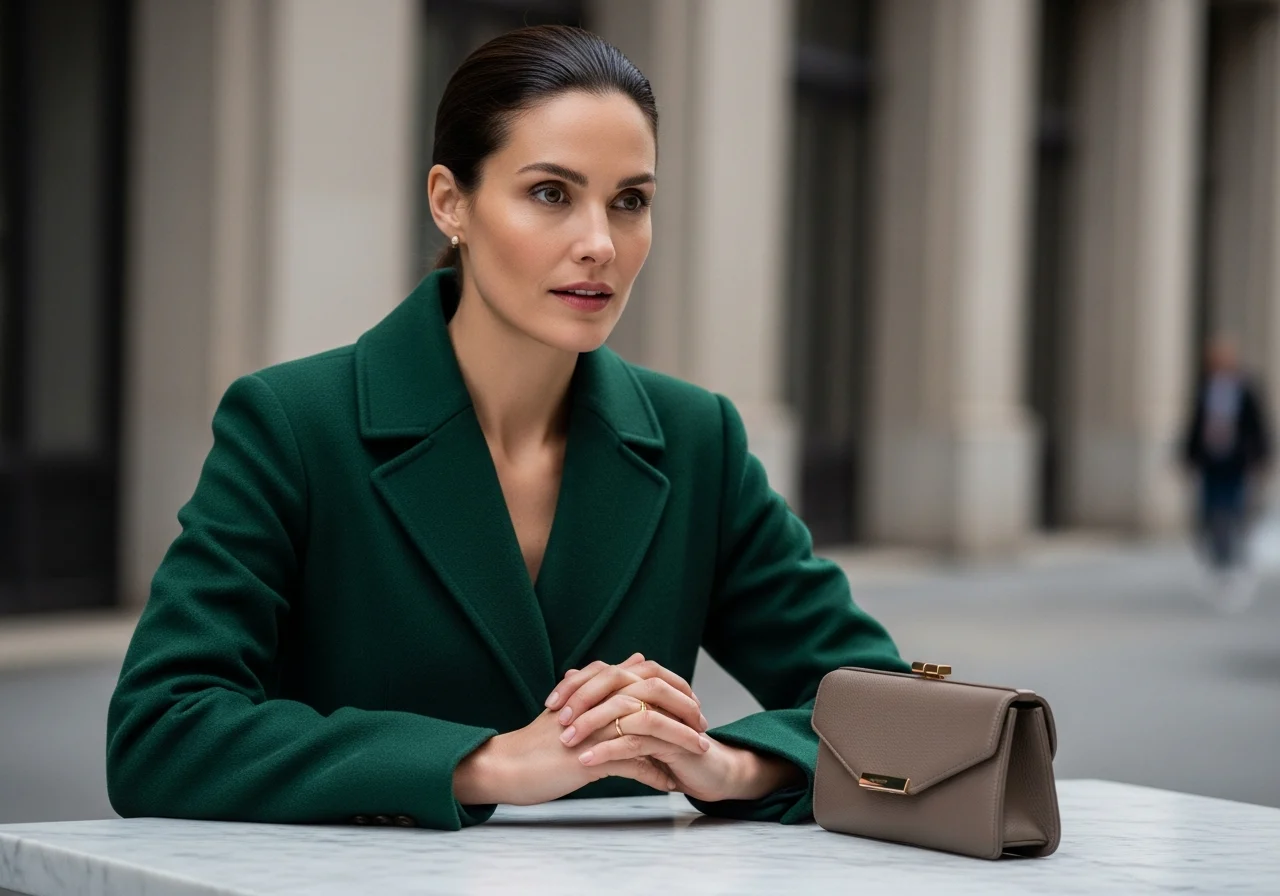
This isn’t just a feeling; it’s a measurable reality. Recent McKinsey fashion survey findings paint a clear picture of this widespread weariness. The reports indicate that both industry leaders and everyday shoppers are feeling the strain of the relentless pace. Executives express concerns about the sustainability of current business models, the pressure on creative teams, and the diminishing returns on investment in ever-shorter product lifecycles. They recognize that the pursuit of constant novelty is creating an unsustainable environment.
For consumers, the story is similar. Many report feeling overwhelmed by the sheer volume of new products and the pressure to constantly update their wardrobes. The thrill of a new purchase is often short-lived, replaced by the immediate arrival of the “next big thing.” This paradox – where the intention is to excite and stimulate purchasing, but the outcome is exhaustion and disengagement – is a central challenge facing the industry today. People are not just tired of trends; they are tired of the trend cycle itself.
How does this widespread weariness affect how people spend their money on clothes? Interestingly, the non-stop flow of new items doesn’t necessarily translate into increased buying. Instead, there’s evidence that consumer fashion spending habits are evolving towards more considered choices. Shoppers, tired of disposable items that quickly lose their appeal, are showing a greater inclination towards quality, durability, and items that offer lasting satisfaction.
Instead of chasing every fleeting microtrend, many are seeking pieces that transcend the immediate moment, items that can be worn for years rather than just a few months. This doesn’t mean a complete halt in purchasing, but a more discerning approach. Consumers are asking themselves: Will this item truly serve me? Does it align with my personal style, or is it just another passing fancy? This shift represents a quiet rebellion against the fast fashion machine, a move towards building wardrobes with purpose and longevity.
In this visually noisy and fast-paced environment, there’s a growing appreciation for what stands still. The idea of luxury fashion stability, once perhaps taken for granted, is now a highly valued commodity. This stability isn’t about being stagnant; it’s about offering a consistent vision, a reliable quality, and a design philosophy that rises above the ephemeral. It’s about clothes that feel right, season after season, year after year, without needing constant justification or reinvention.
Brands that have maintained a clear identity and a commitment to enduring design are finding renewed relevance. They offer a sense of calm and assurance in a market often characterized by chaos. Their collections might evolve, but their fundamental principles remain constant, providing a reassuring anchor for consumers seeking more than just the latest fad.
When discussing enduring design and a steady approach, one name frequently comes to mind: Giorgio Armani. The Giorgio Armani design philosophy stands as a powerful counterpoint to the relentless trend cycle. For decades, the house of Armani has prioritized refinement, wearability, and a quiet strength that speaks volumes without resorting to theatrics or fleeting fads.
Armani’s approach centers on creating clothes that empower the wearer, focusing on clean lines, exquisite tailoring, and luxurious fabrics. His designs are not about making a momentary splash; they are about building a wardrobe of pieces that possess intrinsic value and versatility. A jacket from Armani, for example, is designed to be worn for many years, adapting to different occasions and personal styles, rather than becoming obsolete after a single season. This commitment to consistent quality and a recognizable, sophisticated aesthetic is precisely what fosters luxury fashion stability. It proves that true luxury isn’t about novelty; it’s about lasting appeal and a deep understanding of what makes clothes truly special and functional.
The current climate of fashion trend exhaustion is prompting a re-evaluation of what “luxury” truly means. For many, it’s no longer solely about brand name recognition or exorbitant prices. Instead, the definition is expanding to encompass craftsmanship, material integrity, ethical production, and, critically, longevity. True luxury is increasingly seen as an investment in something that will provide continued satisfaction and utility, rather than a fleeting status symbol.
This shift aligns perfectly with the desire for more thoughtful consumption. Consumers are growing wary of items that are “in” one day and “out” the next. They are seeking items that offer a deeper connection, that tell a story, and that can become cherished parts of their personal style for a long time. This is where brands with a consistent vision, like Armani, truly shine. They offer not just clothes, but a promise of enduring style and quality, a refuge from the constant clamor for newness.
The fashion industry is at a pivotal moment. The current model, driven by relentless newness and the rapid churn of microtrends, has led to widespread fashion trend exhaustion among both its creators and its consumers. The data from McKinsey fashion survey findings confirms this weariness, highlighting the need for change. As consumer fashion spending habits evolve, there’s a clear signal that people are yearning for more stable, well-made options.
The enduring success of a brand built on the Giorgio Armani design philosophy shows a viable path forward. It demonstrates that consistent, considered design, focused on quality and lasting appeal, is not just a niche preference but a powerful force contributing to luxury fashion stability. In a world overflowing with fleeting images and disposable items, the true mark of luxury is becoming less about what’s new and more about what endures. Perhaps the future of fashion will be a slower, more deliberate one, where quality and timelessness are celebrated above all else, offering a much-needed antidote to the weariness of constant change.