In a world often loud with brand names and flashy logos, a different kind of high-end style has quietly grown in power. This style, known as “quiet luxury,” focuses on superb quality, skilled making, and a look that speaks volumes without shouting. It’s about things that feel special because of what they are, not because of who made them. But beyond the subtle charm, there’s a serious financial side to this trend: the surprising strength of quiet luxury resale value.
For a long time, the resale market gave top marks to items with easily seen brand symbols. Yet, a shift has happened. Discerning buyers and smart sellers are now seeing the lasting appeal and solid worth of items that prioritize lasting quality over fleeting trends. This article takes a deep look at why these less showy luxury items hold their worth and become commercially strong. We will use market figures and examples from brands like Hermès and The Row to show how subtle design and careful supply create high demand and lasting financial appeal for those who know what to look for.
Imagine a beautifully made coat with no obvious labels, or a handbag crafted from the finest leather, its shape and feel telling you it’s expensive, even if no logo announces it. That’s the idea behind quiet luxury. It’s a style built on discretion, high-grade materials, and a focus on how well something is put together. It means investing in things that are made to last, items that feel good to wear and use, and designs that won’t go out of fashion quickly. The emphasis is on the actual quality and design, rather than on advertising or common recognition.
Instead of attention-grabbing prints or huge brand names, quiet luxury pieces feature clean lines, rich fabrics, and colors that are often neutral or deep. It’s about a feeling of quiet confidence, a personal choice for quality that doesn’t need outside approval. This approach creates a sense of lasting worth, which is a big reason why these items do so well when they are sold again.
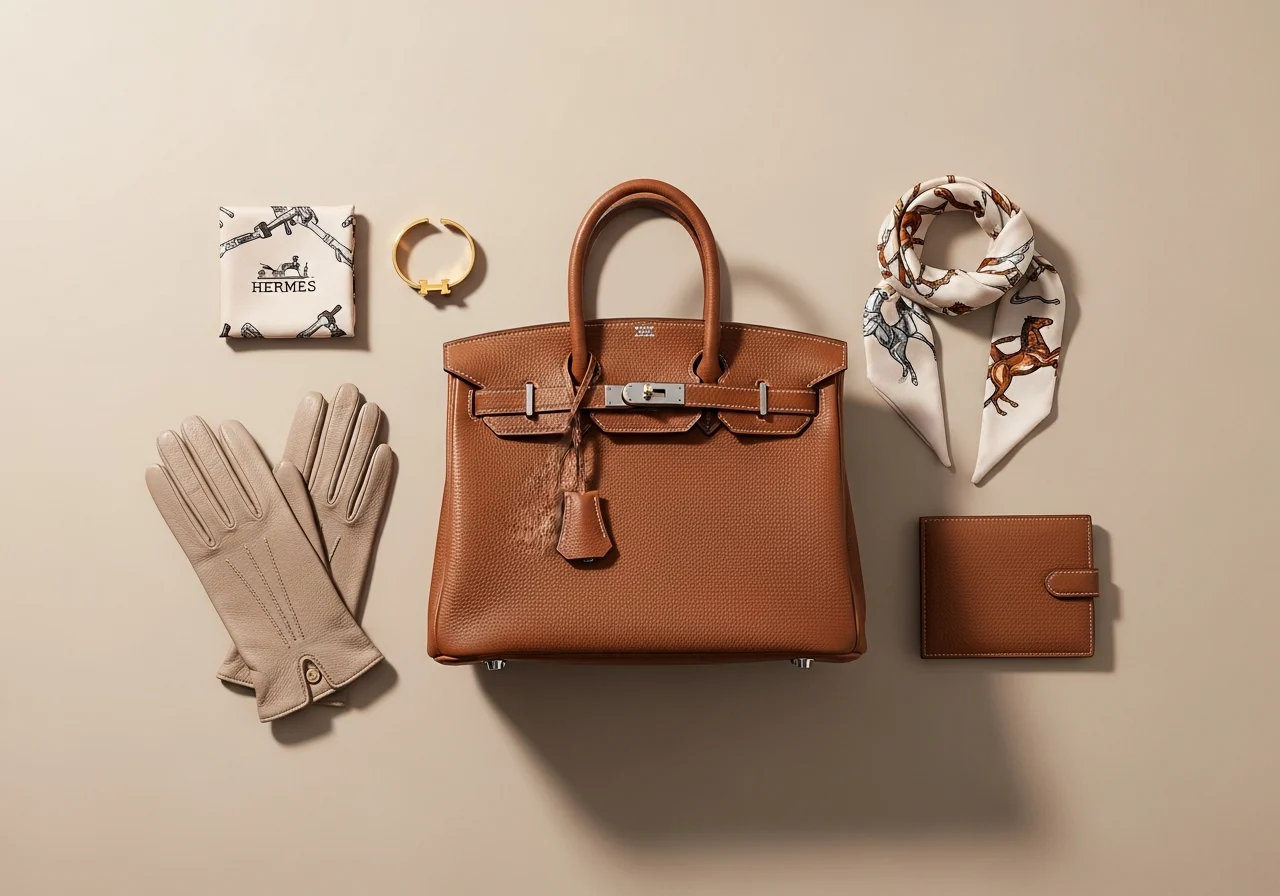
The ability of quiet luxury items to keep their worth isn’t by chance. Several key factors work together to make them strong performers in the secondary market:
One of the biggest drivers of value in any market is how hard something is to get. For many quiet luxury brands, production is very controlled. They don’t make huge numbers of items. This limited availability creates a strong desire among buyers. When something is rare and sought after, its price naturally stays high, or even goes up, over time. Brands that purposely limit their output create an air of exclusivity, making their products more special and, in turn, more valuable in the resale world.
The core of quiet luxury is exceptional making. These items are often put together by expert craftspeople using traditional methods and the best materials available. A coat made from cashmere, a bag stitched from top-grain leather, or a dress cut from pure silk isn’t just a purchase; it’s a piece of art that can withstand years of use. This focus on durability means that even after being owned by someone else, these items still look good and function well. Their lasting quality means they stay desirable, unlike fast fashion items that quickly lose their appeal.
For many buyers, the attraction of quiet luxury lies in its private nature. It’s a way of showing you have good taste without being flashy. In a world where everyone seems to be showing off, choosing something subtle can feel more sophisticated. This discreet charm appeals to a certain kind of buyer who values quality and design over public display. Such items can fit into many different styles and situations, making them useful additions to any wardrobe. This broad appeal helps them stay popular and valuable on the resale market.
To truly understand the power of quiet luxury in the resale market, let’s look at two brands that stand out for very different reasons, yet both excel in holding their worth:
When thinking about Hermès value retention, the Birkin and Kelly bags are often the first things that come to mind. These bags are legendary, not just for their cost, but for how well they keep their worth, often selling for more than their original price on the secondary market. What makes Hermès so special?
Market data consistently shows that certain Hermès bags are not just fashion items, but solid financial assets, often performing better than traditional investments like gold or stocks over time. This makes them a prime example of how quiet luxury, with its focus on scarcity and skilled making, can lead to incredible resale performance.
On a more modern note, The Row, founded by Mary-Kate and Ashley Olsen, has quickly become a leader in the quiet luxury space. The brand is known for its minimalist designs, perfect tailoring, and use of incredibly rich materials. The Row resale performance is a testament to the power of subtle design and material quality.
On resale platforms, items from The Row hold their value remarkably well. A well-kept coat or a classic bag from The Row can fetch a significant percentage of its original price, sometimes even more if it’s a particularly sought-after piece or an older, popular style. This shows that even newer brands, if they stick to the principles of quiet luxury, can build strong financial appeal in the secondary market.
For those looking at luxury fashion investment, quiet luxury items present a compelling case. They are less prone to the ups and downs of fast-changing trends. A classic cashmere sweater from a top quiet luxury brand, or a finely made leather bag, will likely remain stylish and desirable for many years. This means they are less likely to depreciate quickly, making them smarter choices for those who view their purchases as more than just temporary indulgences.
The market for pre-owned luxury goods is bigger than ever. With growing awareness of sustainable shopping and the desire for unique items, more people are turning to resale platforms. This busy market provides a good place for quiet luxury items to find new owners who appreciate their lasting quality and style. The steady demand helps ensure that these items continue to hold their financial strength.
The link between scarcity and luxury pricing is a fundamental idea in the high-end market. Brands use scarcity as a way to create desire and keep their products special. When something is hard to get, it becomes more desirable. This isn’t just about making things rare; it’s about making them special through careful production, limited editions, and sometimes even exclusive access. Quiet luxury brands often use this strategy effectively, not by making a big fuss, but by simply producing fewer, higher-quality items. This deliberate choice helps them maintain their exclusive image and, by extension, their high value in the resale world.
Finally, the core attraction of discreet luxury appeal cannot be overstated. It represents a shift in consumer values, moving away from outward displays of wealth towards a more personal, informed appreciation of quality. Buyers are becoming more educated about materials, making processes, and design principles. They are willing to pay a premium for items that reflect these values, even if those items don’t have an obvious brand name. This shift means that items with subtle elegance and superior quality are increasingly seen as the true mark of luxury, and this perception directly translates into strong resale value.
The quiet luxury movement shows a clear path forward for both brands and consumers. For brands, it highlights the importance of real quality, careful production, and lasting design over quick trends. For consumers, it offers the chance to make thoughtful purchases that not only bring joy but also keep their financial worth over time. The strength of quiet luxury in the resale market confirms that true value often lies in what is unseen – the superb making, the rich materials, and the enduring style that speaks volumes without a single word. These are items that continue to impress, long after they leave the boutique, proving that sometimes, the quietest statements make the biggest impact.