Something significant is happening in the world of high-end fashion. For many years, certain brands relied on big logos and easily spotted designs to convey status. Walk down any major city street, and you would see handbags, shoes, and clothing items practically shouting their maker’s name. Yet, a growing number of people who buy expensive items are starting to look elsewhere. This change, often called Luxury brand fatigue, signals a deeper reconsideration of what true value means in expensive goods. It’s a move away from public declarations of wealth and towards something more personal, more considered.
The days when a designer’s name printed large across a product guaranteed its appeal are fading. Shoppers with substantial means are no longer content with simply showing off a label. They want things that possess inherent worth, items that speak of quality and careful creation without needing a giant emblem. This shift is about appreciating the underlying skill, the materials, and the way a piece feels and performs, rather than its ability to display a specific brand name. It marks a new chapter where understated elegance and lasting quality gain greater importance than fleeting trends or overt marketing.
For a long time, visible branding served a clear purpose: it told everyone what you could afford. It was a simple, quick way to show one’s place in society. However, as luxury goods became more widely available, and as high street stores began to copy designer looks ever more quickly, the distinctiveness of a prominent logo started to lessen. The very thing that made these items special—their exclusivity—began to weaken when everyone could get something similar, or even a convincing fake.
This widespread availability, coupled with a general weariness towards constant commercial messaging, has led to a re-evaluation of Luxury value perception. What does it actually mean to pay a premium price? For many, the answer is no longer about paying for a brand name that everyone recognizes. Instead, it’s about paying for superior making, for materials that last, and for designs that hold their relevance over many years. The perceived worth is now tied to the item itself, its construction, and its material integrity, not solely to the label sewn inside or printed on its exterior.
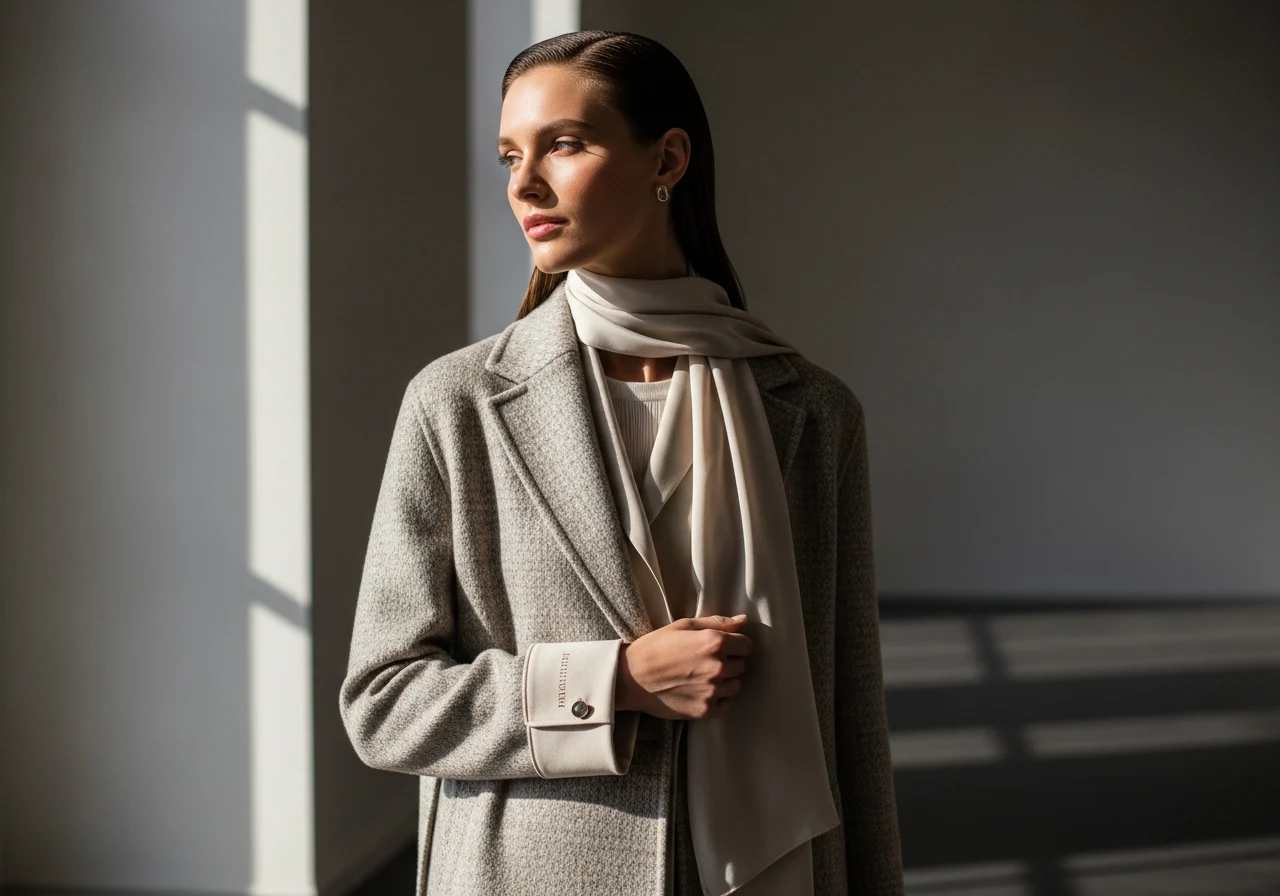
In response to this change, a new way of dressing has come to the fore, often referred to as Quiet luxury fashion. This style is about subtlety and discernment. It’s about clothing and accessories that are expensive and well-made, but do not advertise their cost or origin with loud branding. Think of soft, rich cashmeres, perfectly cut wool coats, and leather goods that feel wonderful to touch but carry no obvious markings.
The essence of this style lies in its quiet confidence. It appeals to those who understand quality and appreciate fine things for their own sake, not for the impression they make on others. The focus is on exceptional tailoring, premium fabrics, and thoughtful design details that might only be noticed by someone who truly understands high-quality clothing. It represents a move towards personal satisfaction and a deep appreciation for craft, rather than seeking approval through outward display. This way of dressing suggests a person who is secure in their choices and possesses an educated eye for true quality.
When discussing this shift, it is impossible not to mention the significant Phoebe Philo design influence. During her time at Céline, and now with her own label, Philo showed the world how powerful understated design could be. Her collections were known for their clean lines, generous shapes, and a palette of muted, sophisticated colors—think grays, creams, blacks, and navies. There were no flashy logos, no ostentatious embellishments.
Philo’s approach was about creating clothes that women wanted to live in, pieces that felt right and looked smart without trying too hard. Her designs prioritized comfort, practicality, and exquisite materials. A Philo-era Céline coat, for instance, might appear simple at first glance, but its perfect cut, the way it hung, and the feel of its fabric spoke volumes about its quality. This dedication to quiet perfection, to a kind of clothing that truly serves the wearer rather than just decorating them, set a new standard for what high-end fashion could be. She proved that true luxury could be found in the absence of noise, in the precision of a cut, and the richness of a textile.
The definition of expensive goods has certainly changed. For many, the question is no longer “What brand is that?” but “How is that made?” The true sign of wealth now resides in the subtle details: the way a fabric drapes, the precision of a seam, the weight of a piece of jewelry, or the unique texture of a leather item. It’s about a deep understanding of quality that doesn’t need to be explained or advertised.
This revised Luxury value perception means that shoppers are becoming more discerning. They are looking beyond the surface to the fundamental characteristics of an item. They seek longevity, things that will last for many years and maintain their appeal. They want items that have a story, perhaps about their origin or the skill involved in their making. This quest for authenticity and durability shows a more considered approach to buying, where each purchase is an investment in something truly worthwhile, not just a fleeting trend. The real mark of an expensive item is its inherent quality and its ability to withstand the test of time, both in terms of physical wear and stylistic relevance.
The move towards Post-logo luxury represents a more mature and informed approach to high-end buying. It’s about recognizing subtle codes that communicate quality and exclusivity without resorting to overt branding. These codes might include the particular shade of a color, the specific finish of a leather, the weight of a garment, or the precise construction of a handbag that only someone with an educated eye would spot.
Consider the anonymous leather bag: its value isn’t on the outside, but in the buttery softness of the hide, the strength of the stitching, and the careful thought put into its compartments. Or a perfectly tailored coat: its worth comes from its flawless fit, the luxurious feel of the wool, and the way it holds its shape year after year. These items don’t need a brand name to prove their worth; their quality is self-evident to those who know what to look for. This approach favors personal appreciation and an understanding of craftsmanship over public display, creating a more intimate and personal connection with one’s belongings.
Today’s consumer of expensive goods is looking for more than just a purchase; they are seeking an authentic connection. They want items that reflect their personal style and values, rather than just what is currently popular. This often means choosing pieces that are made with care, that have a transparent origin, and that will stand the test of time. There is a growing desire for clothing and accessories that offer lasting satisfaction and can be worn for many seasons, even years, without feeling dated.
This search for authenticity also extends to the story behind the brand and the product. Ethical production, sustainable practices, and a commitment to quality are increasingly important factors. Buyers are more likely to support companies that align with their own principles, knowing that their purchase contributes to something meaningful beyond just profit. This thoughtful approach to consumption signifies a deeper engagement with the items we choose to own, moving past fleeting desires to a more considered and responsible way of acquiring luxury.
The current shift in high-end fashion is not merely a passing trend; it represents a significant and lasting change in how people view and buy expensive items. The era of loud logos and overt branding is giving way to a preference for understated quality, thoughtful design, and lasting value. Consumers are learning to appreciate the quiet strength of well-made goods, where the true luxury lies in the materials, the construction, and the integrity of the design itself.
This move towards genuine substance over superficial display promises a future where high-end fashion is defined by its inherent worth and its ability to provide lasting satisfaction. It’s a return to the core principles of excellent craftsmanship and considered aesthetics, where items are cherished for their quality and their contribution to a refined personal style. This approach ensures that true luxury will always find its audience, regardless of whether a name is shouted from the rooftops or whispered in the details.