The contemporary music industry continues to be shaped by artists whose creative identity extends beyond their recordings. Musicians are increasingly recognised not only for their sound but also for the way they communicate through fashion, performance, and visual storytelling, creating a public image that develops alongside their artistic work. As audiences seek authenticity and individuality, emerging performers have become influential cultural figures whose personal style often evolves into an important part of their artistic language. Their presence reaches beyond the concert stage, contributing to wider conversations surrounding creativity, design, and self-expression.
The growing cultural influence of musicians is reflected in international research. According to IFPI’s Engaging with Music 2023 report, 73% of listeners say music plays an important role in expressing who they are, demonstrating the close relationship between artists and personal identity. Supporting this perspective, the Global Entertainment & Media Outlook by PwC highlights continued growth in live music, confirming that performances have become increasingly significant cultural experiences for audiences worldwide. Legendary music producer Quincy Jones once remarked, “The music has to be human.” His words continue to resonate with a generation of performers whose success is built on authenticity, emotional connection, and individuality rather than commercial formulas alone. Artists who establish a recognisable creative identity often shape cultural conversations far beyond the music they release.
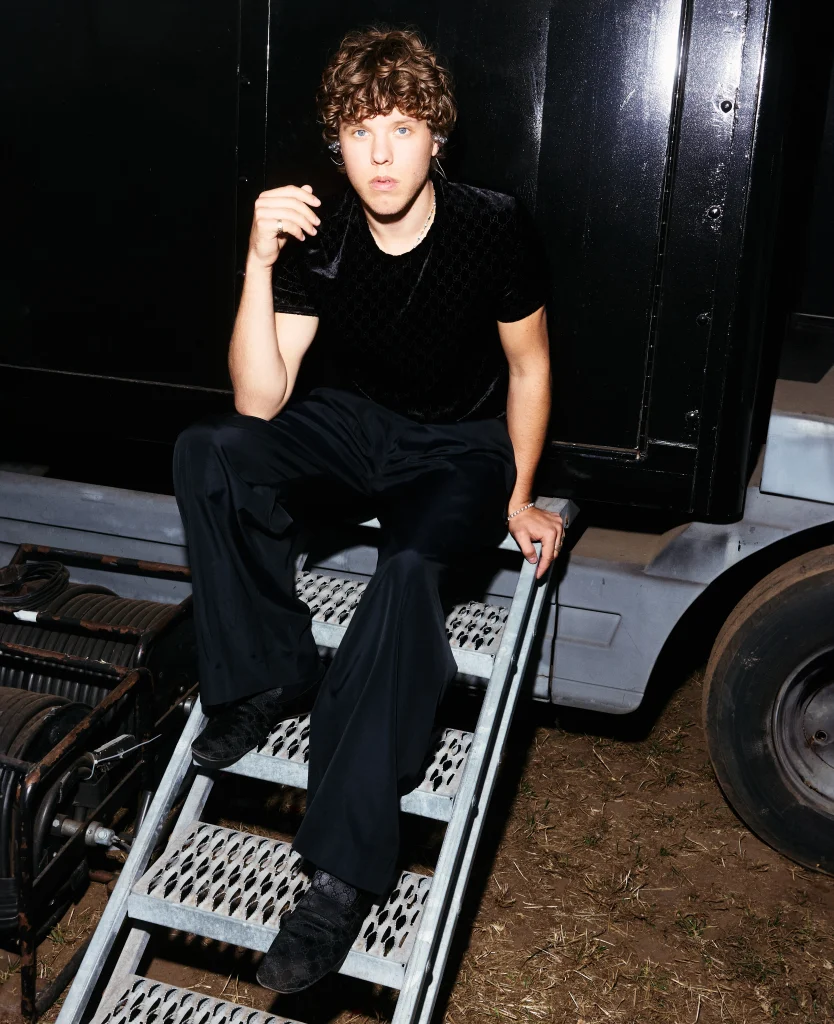
Among Germany’s emerging performers, Zartmann has developed a distinctive artistic profile through a combination of introspective songwriting and contemporary production. His music moves naturally between indie, alternative pop, and hip-hop influences, creating a sound that has attracted a rapidly growing audience while resisting straightforward categorisation. Rather than following established formulas, his work focuses on personal storytelling, understated arrangements, and emotional honesty.
Born and raised in Berlin, Zartmann belongs to a new generation of German musicians who have approached songwriting through a highly personal perspective. His lyrics frequently explore relationships, self-reflection, uncertainty, and everyday experiences, themes that have contributed to the close connection he has established with younger listeners. This emphasis on authenticity has become one of the defining characteristics of his artistic identity.
As his career has progressed, Zartmann has expanded from digital platforms to major concert venues and festival stages, reaching audiences across Germany and neighbouring countries. His performances are recognised for their intimate atmosphere, balancing carefully produced visuals with a natural stage presence that allows the music to remain the central focus. Could this understated approach represent a broader shift in how contemporary audiences engage with emerging artists?
Fashion has gradually become another extension of his creative expression. Rather than treating clothing as a separate element, Zartmann incorporates carefully selected looks into his public appearances, reinforcing the visual identity associated with his music. His style favours clean silhouettes, monochromatic palettes, and contemporary tailoring, reflecting the same restraint that characterises much of his musical work.
For his performance at the 2026 Deichbrand Music Festival, Zartmann appeared in a complete look from the Generation Gucci collection. The ensemble consisted of a black GG stretch velvet devoré crewneck shirt, black light cotton acetate faille trousers, and Gucci Ragazzo loafers in the House’s signature GG canvas. The monochromatic composition emphasised texture and proportion while maintaining a refined stage presence suited to one of Germany’s largest music festivals.
The appearance illustrated the increasingly close relationship between contemporary musicians and luxury fashion. Rather than functioning simply as stage costumes, carefully considered wardrobes have become part of an artist’s broader creative narrative, contributing to the visual identity audiences associate with live performance and recorded music alike.
As Zartmann’s career continues to develop, his combination of thoughtful songwriting, measured public presence, and distinctive visual direction positions him among the most closely watched young musicians in Germany’s contemporary music landscape. His appearance at Deichbrand reflects a broader generation of artists who communicate as much through authenticity and artistic consistency as through the music that first introduced them to audiences.