Few athletes have experienced a rise as rapid and culturally visible as Kylian Mbappé. Long before becoming one of football’s defining figures, he already carried an unusual quality: the ability to make extraordinary things appear natural. Speed arrived first. Then records. Then trophies. Yet statistics alone never fully explained his influence. Mbappé quickly moved beyond sport itself and entered a broader cultural space where fashion, image, luxury, and public identity increasingly intersect.
Born in Paris and raised in Bondy, Mbappé entered professional football at an age when most teenagers still imagine careers rather than live them. By nineteen he had already become a global headline after helping France secure the World Cup, joining an exceptionally small group of players whose names entered football history almost immediately. Recognition followed at extraordinary speed, though public fascination extended beyond athletic performance itself. Cameras responded to him naturally. Fashion brands noticed quickly.
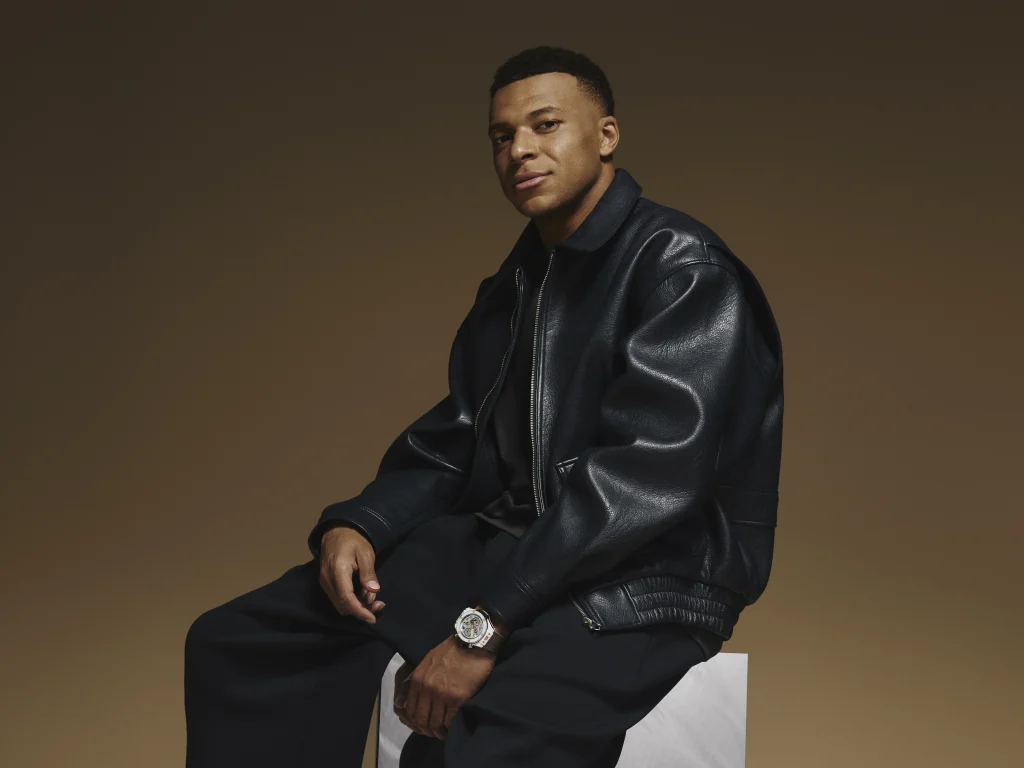
Certain public figures build influence through controversy. Others through carefully constructed personas. Mbappé’s image developed differently. Discipline, confidence, and consistency gradually became part of his identity. He speaks with control. He performs under pressure. He moves through international visibility with surprising ease.
Luxury brands increasingly recognized something important. Modern ambassadors no longer function simply as famous faces appearing inside campaigns. Companies increasingly seek individuals capable of carrying values, ambition, and global relevance simultaneously. Mbappé offered precisely that combination. Sport introduced him to the world. Personality expanded the audience.
Over time, partnerships with major international houses transformed him into one of the most visible athletes operating within luxury culture today. Fashion and watchmaking increasingly moved toward athletes because influence itself changed direction. Stadiums became cultural stages. Football entered fashion conversations. Players became global figures extending far beyond sport.
That larger relationship explains his continued partnership with Hublot. Founded in 1980 by Carlo Crocco, Hublot developed a distinct identity by introducing unusual combinations of materials and challenging traditional watchmaking expectations. The House built its philosophy around “The Art of Fusion,” creating watches where engineering, sport, and design increasingly intersected. The arrival of the Big Bang collection in 2005 changed the company permanently. Younger audiences responded immediately to its larger visual presence and contemporary approach. Football naturally entered the brand’s world through partnerships, international tournaments, and athletes representing ambition and performance. Madrid recently became the setting for the latest chapter of that relationship.
To celebrate the launch of the limited-edition Big Bang Reloaded, Hublot organized an exclusive evening bringing together figures from sport, entertainment, and international culture. Football personalities including Iker Casillas, Guti, and Miguel Torres attended alongside names including Paula Echevarría, Mónica Cruz, Esha Gupta and Ludwika Paleta. Live performances from Anastasia McQueen and music from Inés Bilbao de la Cierva carried the evening forward, creating an atmosphere combining sport and contemporary luxury culture. Yet throughout the celebration, attention repeatedly returned toward the evening’s central figure.
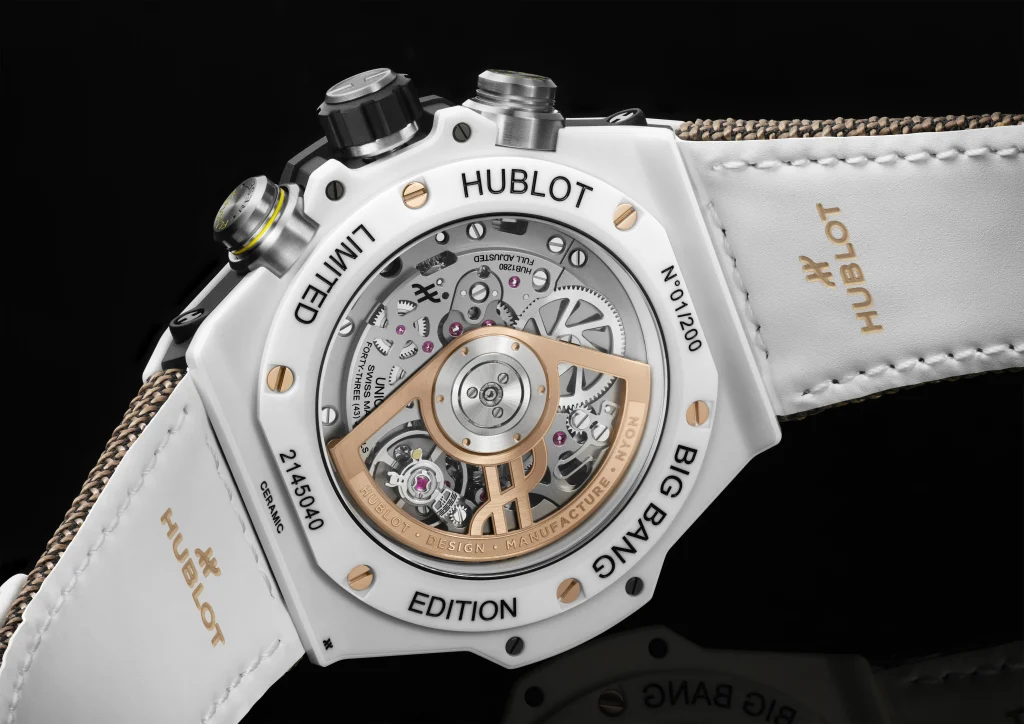
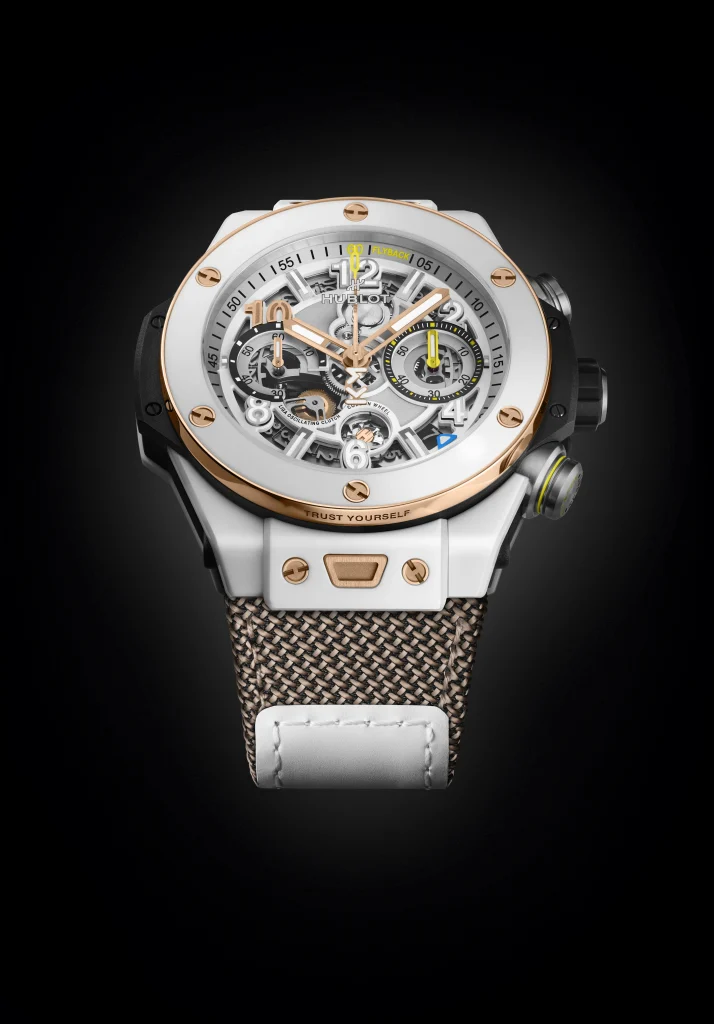
The launch itself introduced the Big Bang Reloaded Kylian Mbappé, the first limited-edition timepiece created in direct collaboration with the football icon. Limited to 200 pieces, the watch introduces details closely connected to Mbappé’s identity. His phrase “Trust Yourself” appears engraved at six o’clock, while the number ten — deeply connected to his football journey — appears through King Gold details integrated into the design. Inside, Hublot’s Unico manufacture movement continues the House approach toward technical visibility and mechanical complexity. Yet beyond engineering, the project reflects something increasingly important within contemporary luxury.
Modern collaborations succeed when personalities and brands speak the same language. In Mbappé, Hublot clearly found someone capable of moving comfortably between sport, culture, and global influence. Today, football players increasingly occupy spaces once reserved exclusively for actors, musicians, and fashion icons.