Fashion continues to evolve alongside culture, technology, and changing consumer expectations. While trends may come and go, the most influential fashion houses are those that successfully balance heritage with innovation. Today, luxury brands compete not only through design but also through storytelling, craftsmanship, and global cultural relevance.
The Rise of Dior: Building One of Fashion’s Most Powerful Brands
Founded in 1946 by Christian Dior, Dior quickly became one of the defining names in post-war fashion. The introduction of the “New Look” in 1947 transformed women’s fashion and established the house as a symbol of elegance and craftsmanship. Over the decades, Dior expanded far beyond couture into ready-to-wear, accessories, beauty, jewelry, and fragrance, creating a global luxury ecosystem. Today, Dior remains one of the most influential brands within the LVMH portfolio, generating billions in annual revenue and maintaining a presence in virtually every major luxury market worldwide.

Key Marketing Strategies Behind Dior’s Success
• Strong brand heritage built around the legacy of Christian Dior.
• Consistent investment in haute couture while expanding commercial product categories.
• Celebrity ambassadors and long-term relationships with influential public figures.
• Strategic use of social media and digital campaigns to engage younger audiences.
• Iconic products such as the Lady Dior handbag that remain relevant across generations.
• Large-scale fashion shows and destination presentations that generate global media attention.
• Integration of fashion, beauty, fragrance, and accessories into a unified brand experience.
• Strong retail presence in major luxury destinations worldwide.
• Careful preservation of craftsmanship and exclusivity.
• Continuous renewal through the appointment of influential creative directors.
Jonathan Anderson: The Designer Leading Dior’s Future
In June 2025, Dior appointed Jonathan Anderson as Creative Director of women’s, men’s, and haute couture collections, making fashion history. He became the first designer since Christian Dior himself to oversee all three creative divisions of the house.
Born in Northern Ireland in 1984, Jonathan Anderson originally explored acting before pursuing a career in fashion. He studied at the London College of Fashion and developed an early interest in costume, design, and visual storytelling. After gaining experience within the industry, he launched his own label, JW Anderson, which quickly attracted attention for its fresh approach to modern dressing. Anderson became known for challenging traditional ideas about menswear and womenswear, often introducing silhouettes and concepts that blurred conventional boundaries. His collections attracted critical acclaim and established him as one of the most original designers of his generation.
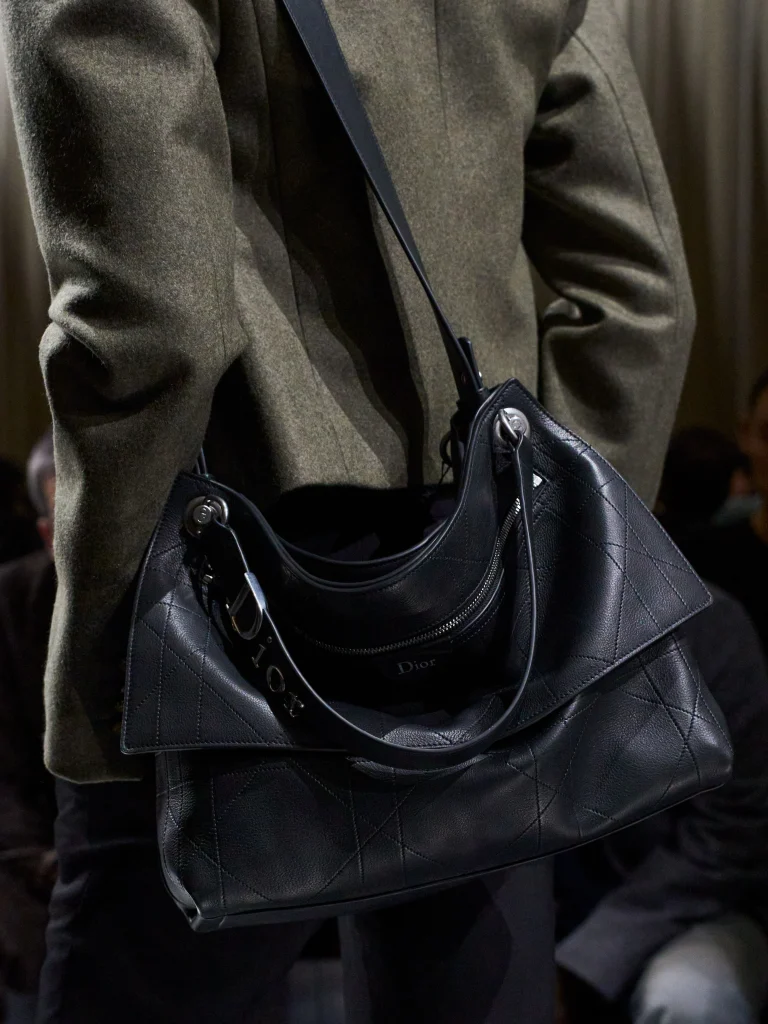
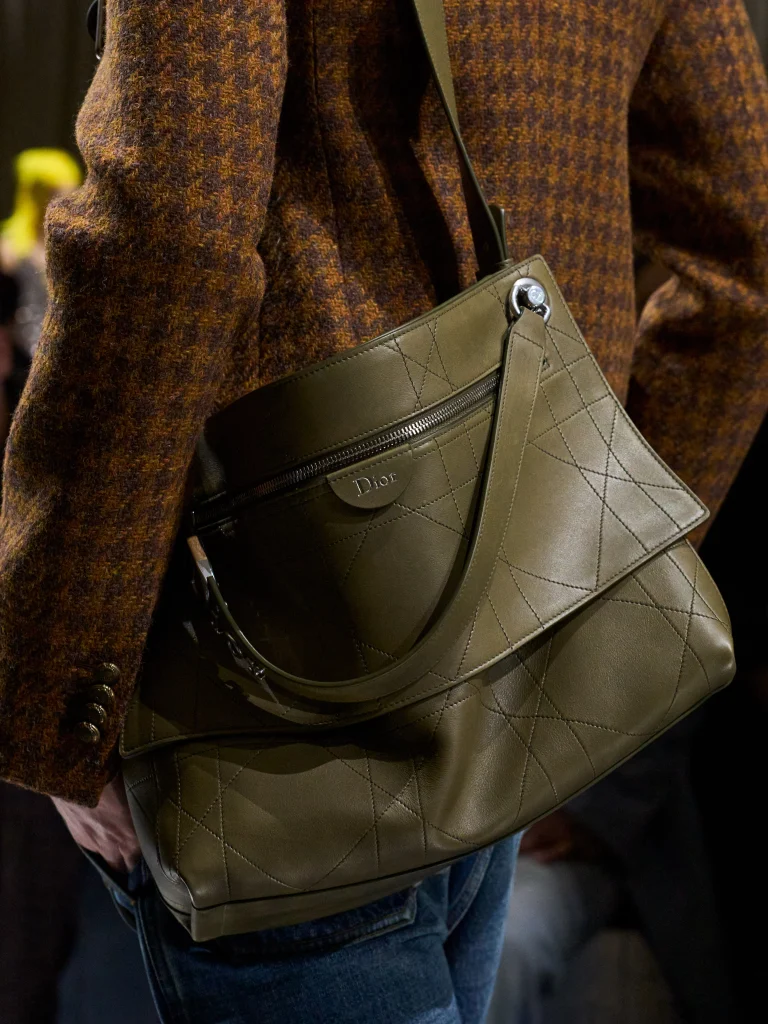
A major turning point came when LVMH invested in his brand and appointed him Creative Director of Loewe. During his eleven-year tenure, Anderson transformed Loewe from a respected leather goods company into one of the most discussed luxury brands in fashion. His leadership combined artistic experimentation with strong commercial performance, producing highly successful accessories and creating a new cultural identity for the Spanish house. At Loewe, he developed a reputation for connecting fashion with art, literature, architecture, and contemporary culture. His collections regularly generated conversation across both industry circles and social media platforms. Many observers credit him with helping define the creative direction of luxury fashion during the past decade.
Industry leaders frequently praise Anderson’s ability to merge craftsmanship with originality. Bernard Arnault described him as one of the greatest creative talents of his generation, while Dior executives emphasized his ability to bring a modern vision to the historic house. His appointment arrives at a significant moment for Dior. The luxury market is becoming increasingly competitive, and consumers expect brands to offer both heritage and new ideas. Anderson’s experience managing large-scale collections, creating highly desirable products, and generating cultural relevance makes him a natural choice for this challenge.
Beyond design, Anderson understands how modern audiences engage with fashion. He has consistently created products and campaigns that resonate across traditional media, digital platforms, and younger consumer groups without compromising craftsmanship. His debut collections for Dior have attracted exceptional attention from both industry insiders and consumers. Fashion commentators view his arrival as one of the most important creative appointments of the decade.
As Dior enters its next era, Jonathan Anderson carries the responsibility of preserving one of fashion’s most prestigious legacies while shaping its future direction. Few designers have demonstrated such a strong ability to connect creativity, craftsmanship, commerce, and culture. For Dior, his appointment represents not only a change in leadership but also the beginning of a new creative chapter.