Residential architecture is entering a period of significant change. Buyers are placing greater importance on how a home supports everyday life, placing equal value on design, wellbeing, environmental responsibility, and long-term quality. This shift is influencing the way architects, developers, and interior designers approach new projects across the world. Rather than focusing solely on visual appeal or prestigious addresses, residential developments are increasingly expected to create environments that improve daily living while responding to changing lifestyles. These evolving priorities are also at the centre of this year’s discussions led by the International Federation of Interior Architects/Designers (IFI), where the conversation focuses on adaptability, sustainability, wellbeing, and the future of residential design.
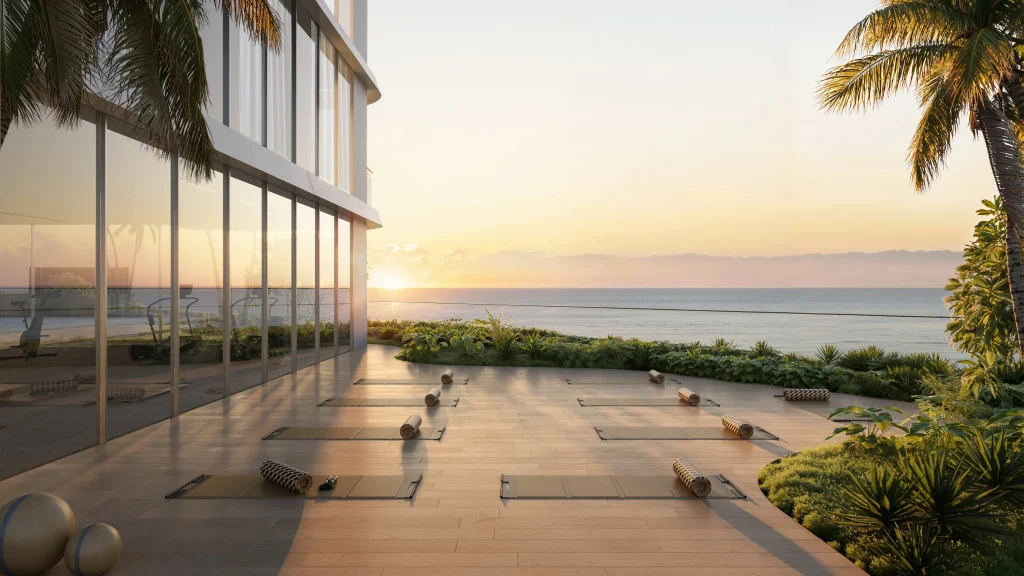
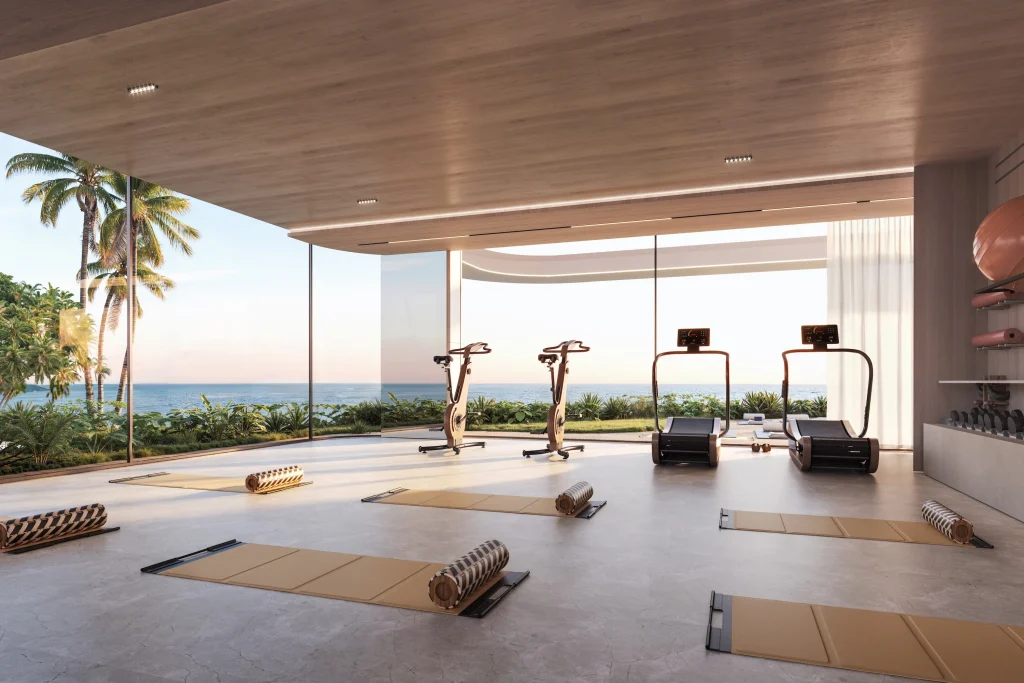
Few sectors illustrate these changes more clearly than branded residences. Originally associated primarily with luxury hotel operators and internationally recognised fashion houses, branded residential developments have evolved into highly considered living environments where architecture, interiors, amenities, and lifestyle are conceived as one complete project. Buyers are no longer selecting residences based only on a prestigious name attached to the façade. Increasingly, they evaluate the architectural concept, the quality of the interiors, the surrounding environment, and whether the development will remain relevant for decades to come. Wellness has become one of the strongest driving forces behind these decisions. Fitness centres alone are no longer sufficient for today’s international clientele, who increasingly seek dedicated recovery spaces, saunas, treatment rooms, meditation areas, landscaped gardens, and environments that encourage healthier daily routines. This philosophy extends beyond individual amenities into the overall planning of residential communities. Developments such as ELLE Residences Dubai Islands, created by The One Atelier, demonstrate this evolution by integrating wellness into communal areas, landscaped social spaces, and carefully designed interiors that encourage comfort, balance, and interaction throughout everyday life. In these projects, wellbeing becomes part of the residential experience rather than an additional service.
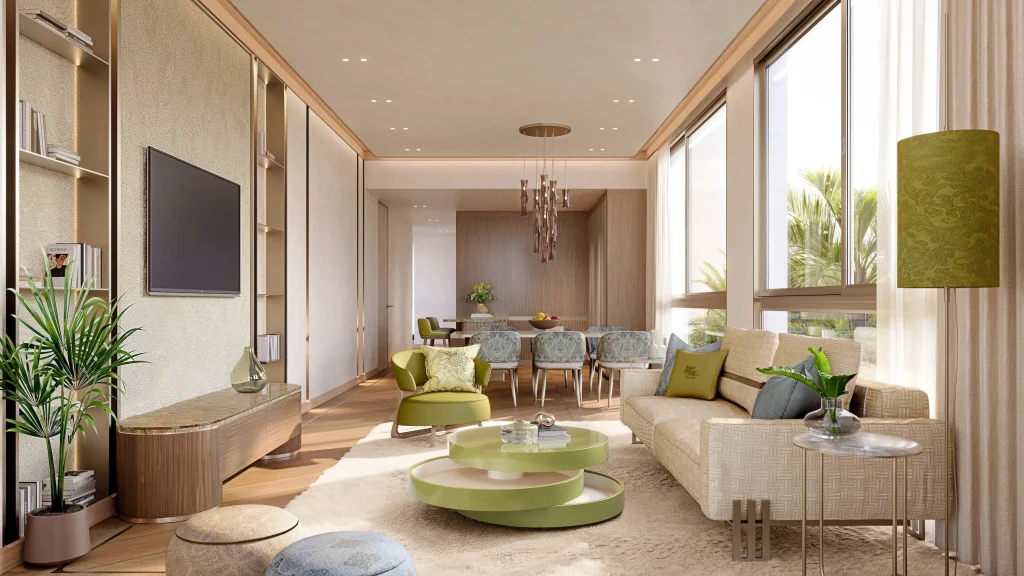
Environmental responsibility is equally reshaping the future of luxury residential developments. Projects are increasingly designed around lower-impact construction methods, energy efficiency, biodiversity, and the preservation of natural landscapes. ETRO Residences Phuket, another project developed by The One Atelier, illustrates this direction on Bang Tao Beach in Thailand, where more than seventy per cent of the thirty-three-acre masterplan has been preserved as open green areas, wetlands, and natural parks. Roads and parking facilities have been relocated underground, allowing residents to move through a fully pedestrian environment surrounded by more than one thousand native trees, organic farming areas, water features, and passive cooling strategies incorporated into the overall design. According to Michele Galli, Chief Executive Officer of The One Atelier, the expectations of luxury buyers continue to evolve as clients increasingly prioritise quality, longevity, and residential experiences that genuinely enhance everyday life. These changing priorities are encouraging developers to think beyond prestige alone, creating homes where architecture, sustainability, wellness, and thoughtful planning become equally important parts of the definition of luxury.