Luxury hospitality is increasingly evolving beyond the concept of a single hotel. Today’s most ambitious projects seek to shape entire neighbourhoods, combining architecture, gastronomy, wellness, technology, and cultural heritage into experiences that extend far beyond the guest room. As historic cities welcome a new generation of luxury travellers, hospitality is becoming deeply integrated into the identity of its destination.
“Architecture should speak of its time and place, but yearn for timelessness,” observed Frank Gehry. His reflection captures the challenge facing contemporary hospitality projects within historic settings, where innovation must coexist with centuries of architectural heritage. Can an entire city become part of the luxury hotel experience?
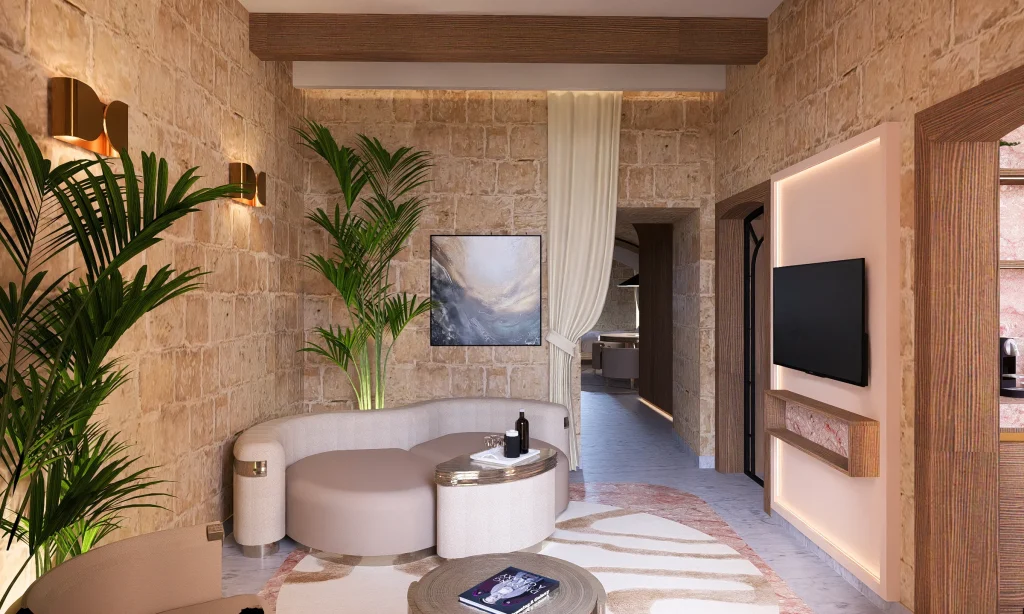
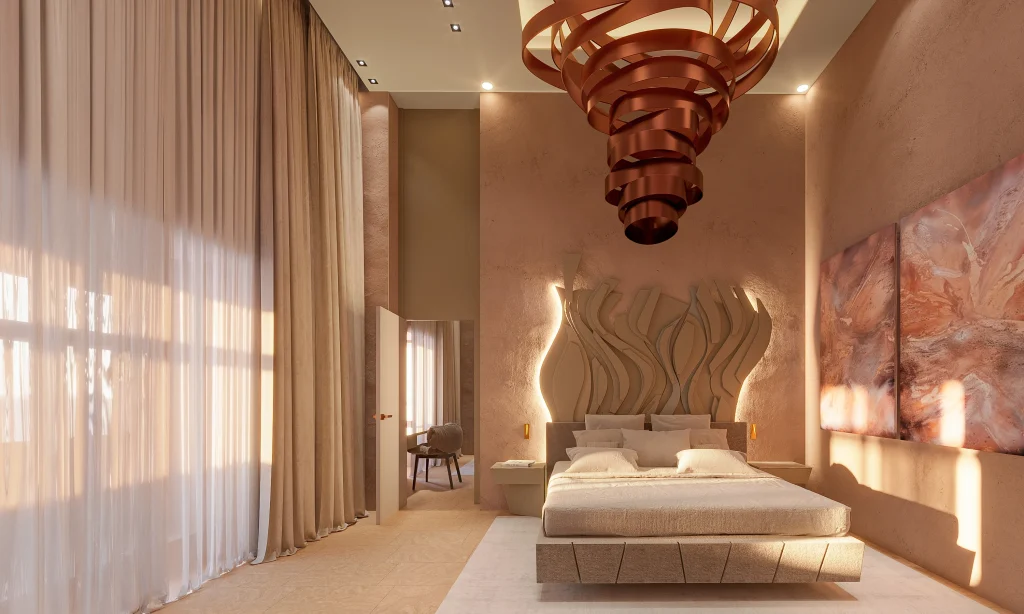
Iniala presents its most ambitious development to date, significantly expanding its presence across Valletta through a collection of new residences, suites, restaurants, and wellness concepts that together redefine the scale of boutique hospitality in the Maltese capital.
Since the opening of Iniala Harbour House, the property has established itself as one of Malta’s leading luxury addresses, becoming the country’s only Forbes Five-Star hotel and the first to receive two Michelin Keys. Building on this foundation, the latest expansion introduces the Solis Wing, the Magistero Wing along Republic Street, and the sculptural FrancoMaria Suite, adding twenty-one new rooms and suites while laying the foundation for continued growth across the city.
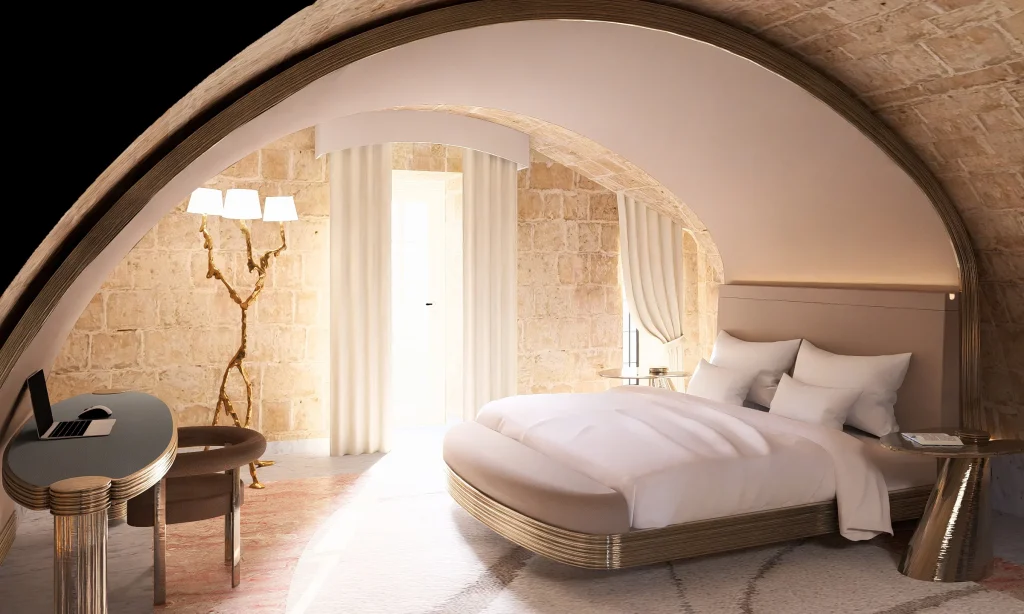
The expansion also introduces two new guest-focused platforms. OneAvant serves as a fully integrated digital ecosystem designed to simplify and personalise every aspect of the guest experience, while Within presents a new approach to wellness by combining medical diagnostics, performance optimisation, and regenerative therapies within a hospitality environment.
Dining continues to play a central role in the development. The arrival of SiR by Simon Rogan and Anaalā by acclaimed chef Ian Kittichai expands Iniala’s culinary offering, while ION Harbour enters a new chapter under Simon Rogan’s closer creative direction. Together, the restaurants reinforce the property’s ambition to position Valletta as an international gastronomic destination.
The expanded property is led by General Manager Claudia Schwarze, whose previous experience at Aman Venice and Amankila Bali informs a service philosophy built around the Thai principles of Metta, Nam Jai, and Sabai, placing generosity, kindness, and calm at the centre of the guest experience.
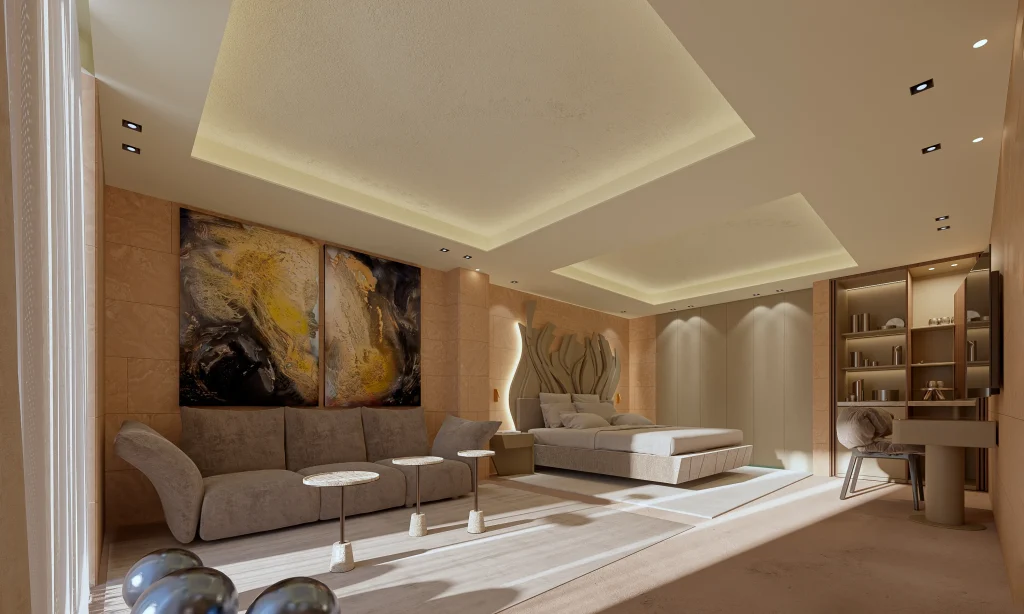
Architecture and design remain defining elements throughout the project. An international collective of designers—including Sebastian Brajkovic, Verter Turroni of Imperfetto Lab, Joaquín Torres and Rafael Llamazares of A-cero, and Greta Design—has reinterpreted Valletta’s historic limestone buildings through a contemporary lens, introducing sculptural interiors while preserving the city’s architectural character.
Among the most anticipated additions is Iniala Solis, designed by the Madrid-based studio A-cero. Located a short walk from the flagship property, the new address combines sculptural architecture with panoramic views across the Grand Harbour. The architects describe their concept as “excavated architecture,” carving contemporary spaces directly into centuries-old limestone structures to create interiors where natural stone, bespoke furnishings, and carefully controlled daylight become the defining design elements.
The rooftop also becomes home to Anaalā, where Chef Ian Kittichai brings his interpretation of contemporary Thai cuisine to Malta. The restaurant combines traditional culinary heritage with modern techniques in a setting overlooking Valletta’s historic harbour, extending the chef’s internationally recognised dining concept into the Mediterranean.
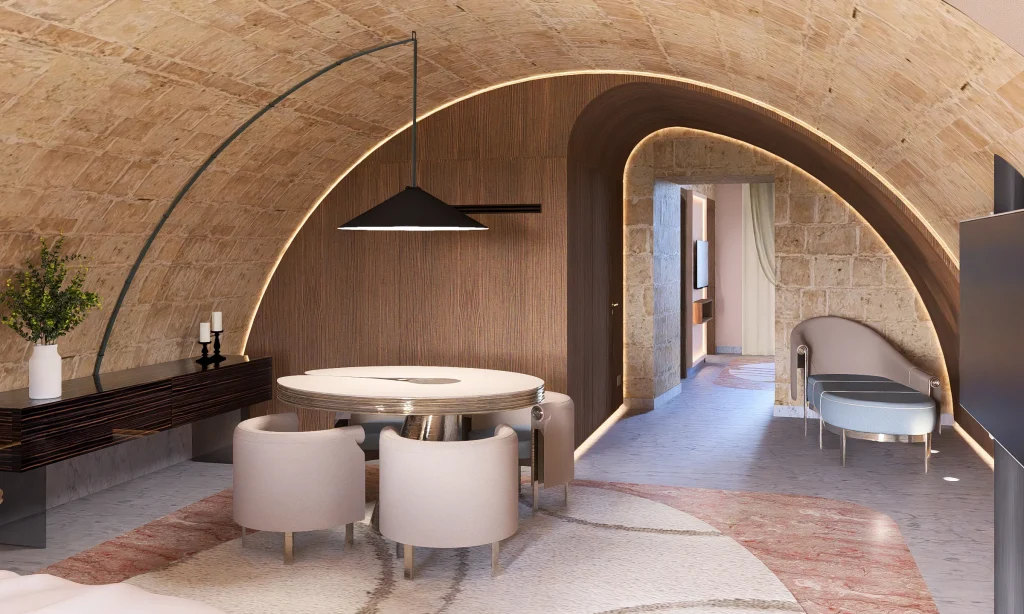
A different design language defines Iniala Magistero. Conceived by Italian designer Verter Turroni of Imperfetto Lab, the property comprises eleven individually designed suites, each conceived as a unique artistic environment. Sculptural furniture, handcrafted materials, curated artworks, and bespoke interiors replace conventional luxury with a more expressive architectural identity.
Technology is integrated discreetly throughout the experience. Traditional televisions give way to immersive home cinema systems featuring Hisense laser projection technology paired with Devialet audio, while bathrooms and furnishings developed in collaboration with Greta Design reinforce the craftsmanship that characterises each suite.
With its latest expansion, Iniala transforms the traditional concept of a boutique hotel into an urban hospitality ecosystem where architecture, gastronomy, wellness, technology, and contemporary design unfold across one of Europe’s most historic capitals. The project offers a new interpretation of luxury—one that grows from the cultural fabric of Valletta while looking confidently towards the future.