The definition of luxury hospitality continues to evolve as travellers increasingly seek destinations that offer a stronger connection to landscape, local culture, and craftsmanship. Across Europe, rural retreats are moving beyond traditional country house experiences by integrating agriculture, architecture, gastronomy, and environmental stewardship into a single concept. This shift reflects a growing appreciation for places that encourage guests to understand the origins of food, materials, and design while experiencing a destination at a more considered pace. Hospitality is no longer measured solely by comfort but also by the authenticity and lasting value of the experiences it creates.
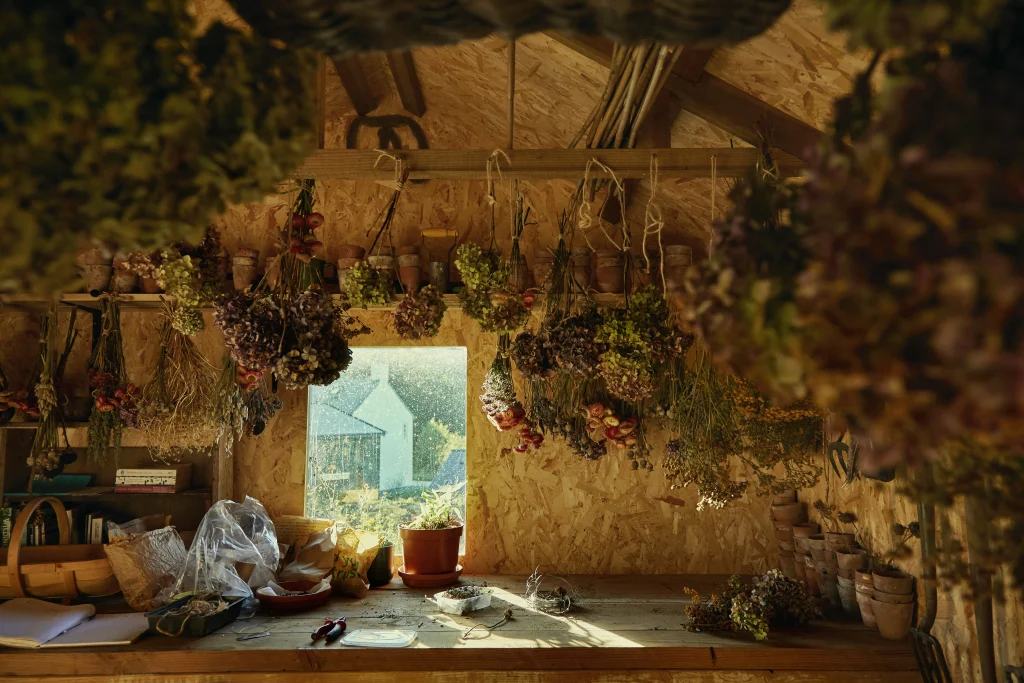
This transformation has been recognised by leading voices within the hospitality industry. Horst Schulze, co-founder of The Ritz-Carlton Hotel Company, has observed, “People expect so much more than satisfaction. They want an experience.” His words illustrate the changing expectations of luxury travellers, who increasingly value meaningful engagement over traditional notions of exclusivity. Interior designer Ilse Crawford has similarly stated, “Good design supports human life.” Her philosophy reflects the growing importance of spaces that encourage wellbeing, comfort, and a genuine connection with their surroundings. Together, these perspectives demonstrate why contemporary hospitality increasingly brings together architecture, food, landscape, and community within a single guest experience.
Set within 450 acres of rolling countryside in South Devon, Fowlescombe Farm presents a contemporary interpretation of the rural retreat. Founded by Caitlin Owens and Paul Glade, the estate combines a working regenerative farm with design-led accommodation, destination dining, and an extensive programme of outdoor experiences that invite guests to engage directly with the landscape.
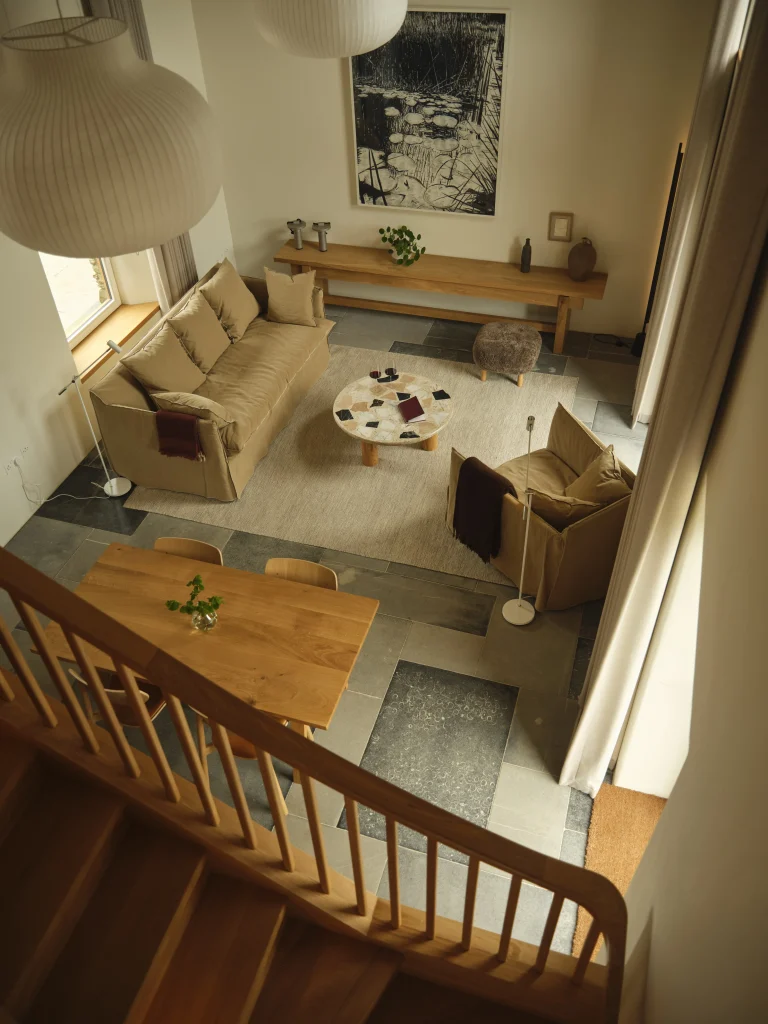
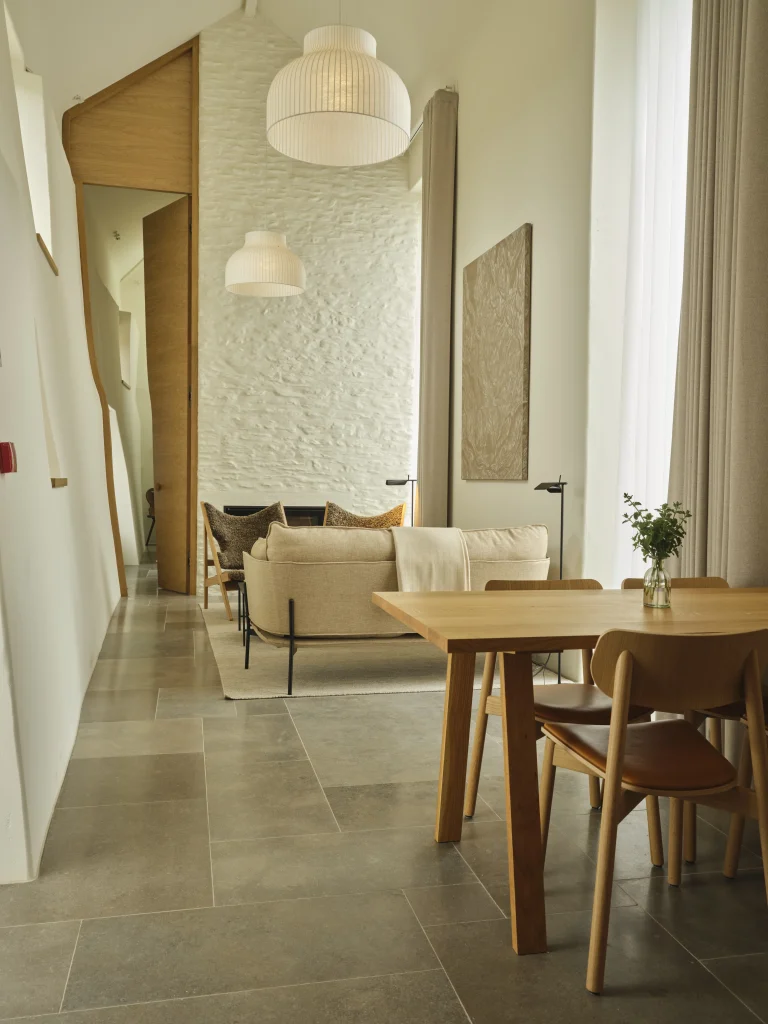
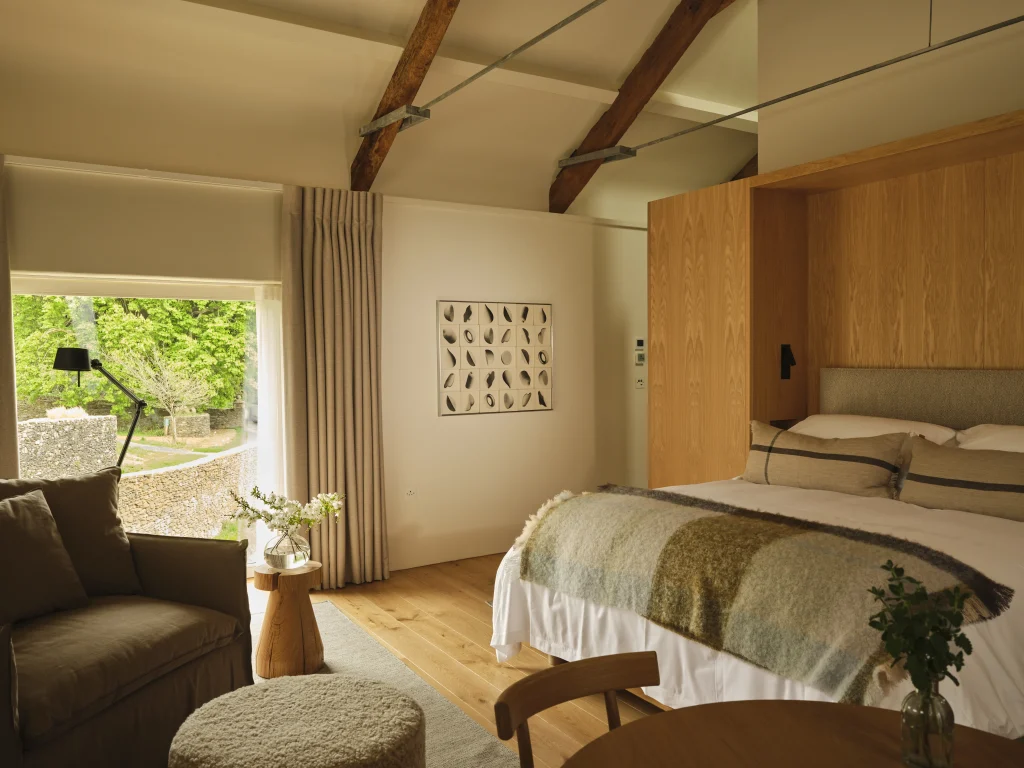
The retreat occupies a restored Victorian farmhouse alongside a collection of historic stone barns carefully adapted into ten guest suites. Rather than separating visitors from the daily life of the estate, the property encourages an active relationship with its surroundings, allowing the rhythms of farming, nature, and local craftsmanship to shape every aspect of the stay. Could the future of luxury hospitality lie in offering a deeper understanding of place instead of simply providing an escape from everyday life?
Established in 2025, the project reflects the founders’ vision of regenerative hospitality, where welcoming guests contributes directly to the long-term future of the farm itself. Every aspect of the estate has been developed with the ambition of enriching the landscape over time, supporting biodiversity while preserving the site’s agricultural heritage for future generations.
The ten suites are distributed throughout the original farmhouse and restored agricultural buildings, each offering generous living areas of almost fifty square metres together with private outdoor spaces overlooking Dartmoor’s woodlands and meadows. Many include fully equipped kitchens, creating an atmosphere that combines the comfort of a private residence with the service of a boutique hotel.
The architecture was developed by Swiss practice Studio Gugger in collaboration with Paul Glade, carefully balancing the character of historic buildings with contemporary living. Expansive floor-to-ceiling glazing introduces natural light throughout the interiors, while high ceilings and natural wool wall curtains create spaces that feel calm, tactile, and closely connected to the surrounding countryside.
Material selection reinforces this relationship with the landscape. Stone extracted from the estate’s own quarry, locally sourced oak, and wool produced on the farm establish a strong sense of provenance throughout the interiors. Every suite features handmade Naturalmat mattresses produced in Devon using wool from Fowlescombe’s flock of rare Manx Loaghtan sheep, while bespoke oak furniture crafted by Bristol-based joiner Konk further reflects the estate’s commitment to regional craftsmanship.
Each accommodation has its own individual character. Home Barn and Long Barn introduce dramatic double-height interiors, Valley Suite opens towards expansive southern views across the countryside, while Garden Studio offers a more intimate atmosphere surrounded by established planting. Meadow Suite, Tall Barn, Rafters, Pond Suite, Loft Suite, and Orchard Suite complete the collection, each responding differently to its historic setting.
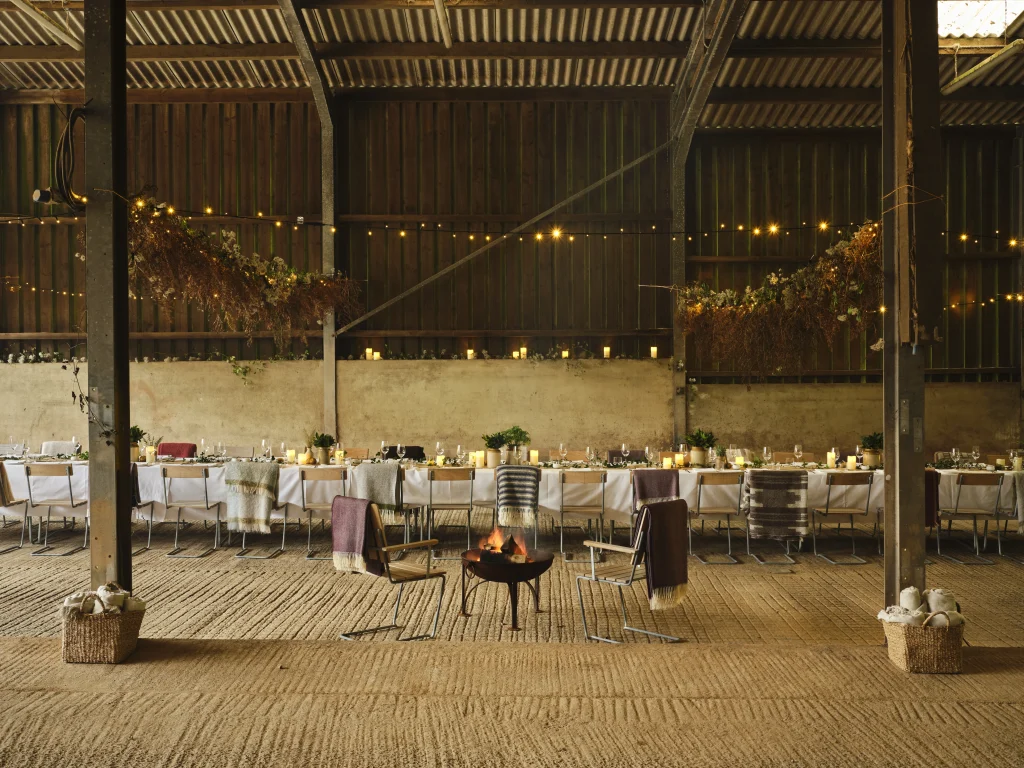
Interior design was conceived by Creative Director Paul Glade together with designer Sophia Gomm around the principle of “beautiful utility.” Respecting the site’s Anglo-Saxon origins and fifteenth-century ruins, the interiors combine historical references with contemporary simplicity, creating spaces designed to mature gracefully over time rather than follow temporary design trends.
The architecture establishes a constant dialogue between interior and landscape. Large windows frame uninterrupted views across fields, orchards, and woodland, while meadows and gardens surrounding the buildings have been carefully planned to encourage biodiversity and strengthen the relationship between the built environment and nature.
Art forms another important dimension of the guest experience. Curated by Claudia Kennaugh of Art & People, the collection presents works by more than thirty artists, many based in South West England, whose practices explore natural materials including timber, woven fibres, earth pigments, and handcrafted textiles. Rather than depicting the landscape directly, the works evoke its colours, textures, and rhythms through abstract and material-led compositions. Artists represented include Ben Risk, Aly Dalrymple, Stuart Low, Lizzi Mann, Lisa-Marie Price, Mimi Zouch, Ines Fernandez de Cordova, and Greg Becker.
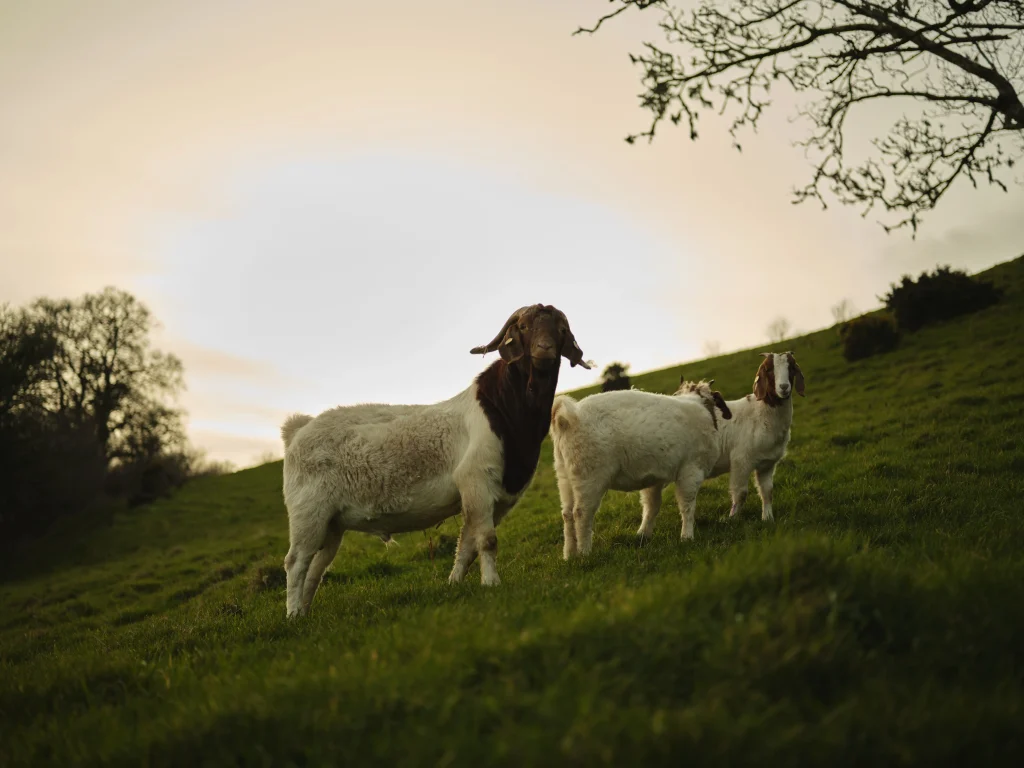
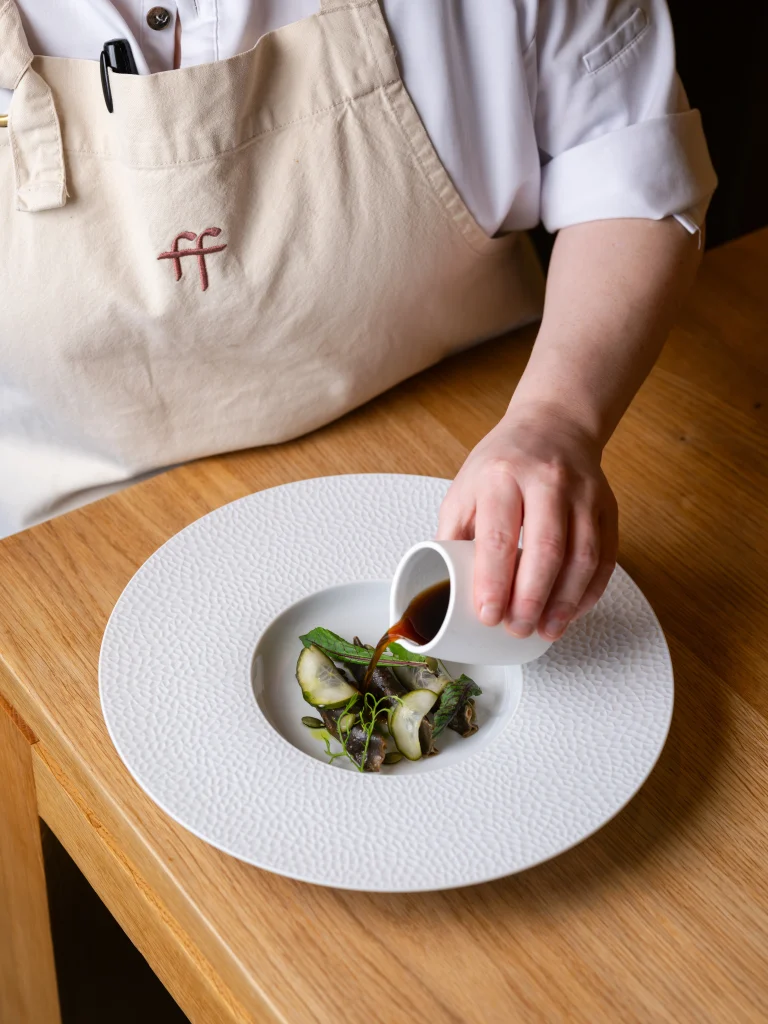
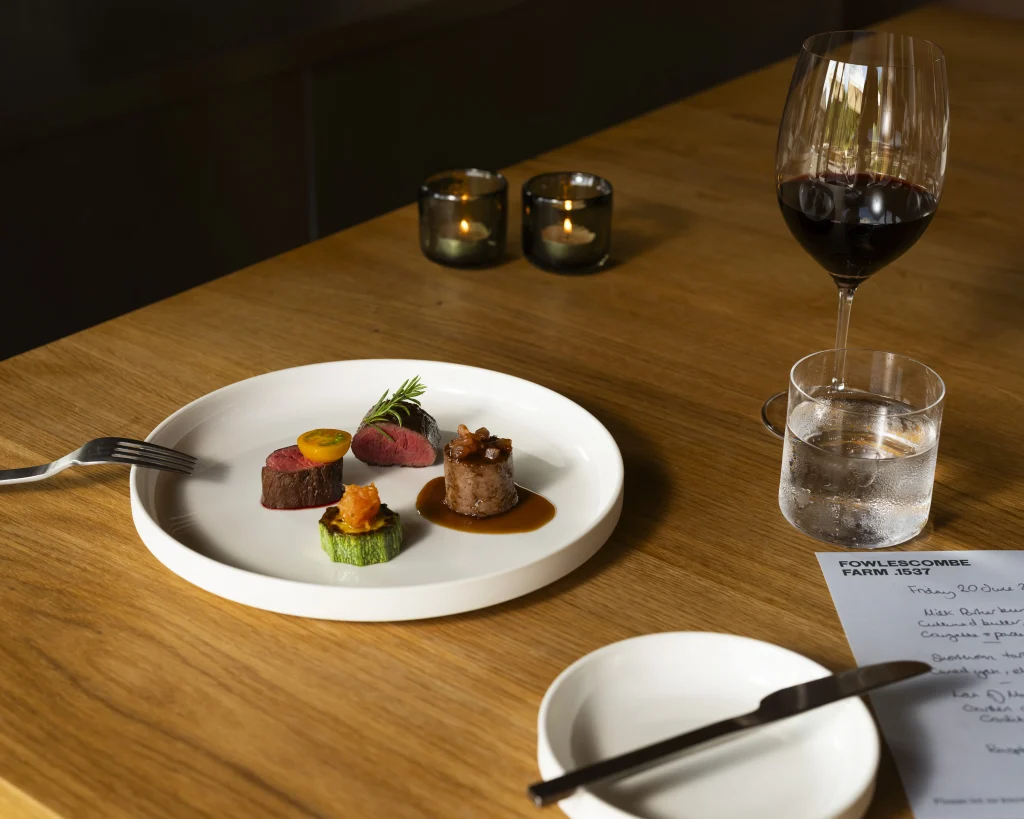
At the centre of the estate is The Refectory, where Head Chef Elly Wentworth develops a four-course tasting menu shaped entirely by the farm and the neighbouring coastline. Working closely with Head Gardener Shelley Hutcheon and Farm Manager Rosie Ball, the kitchen responds daily to seasonal harvests, incorporating heritage vegetables, edible flowers, homegrown turmeric, and regeneratively reared English Longhorn and Shorthorn cattle, Manx Loaghtan sheep, Tamworth pigs, and Boer goats.
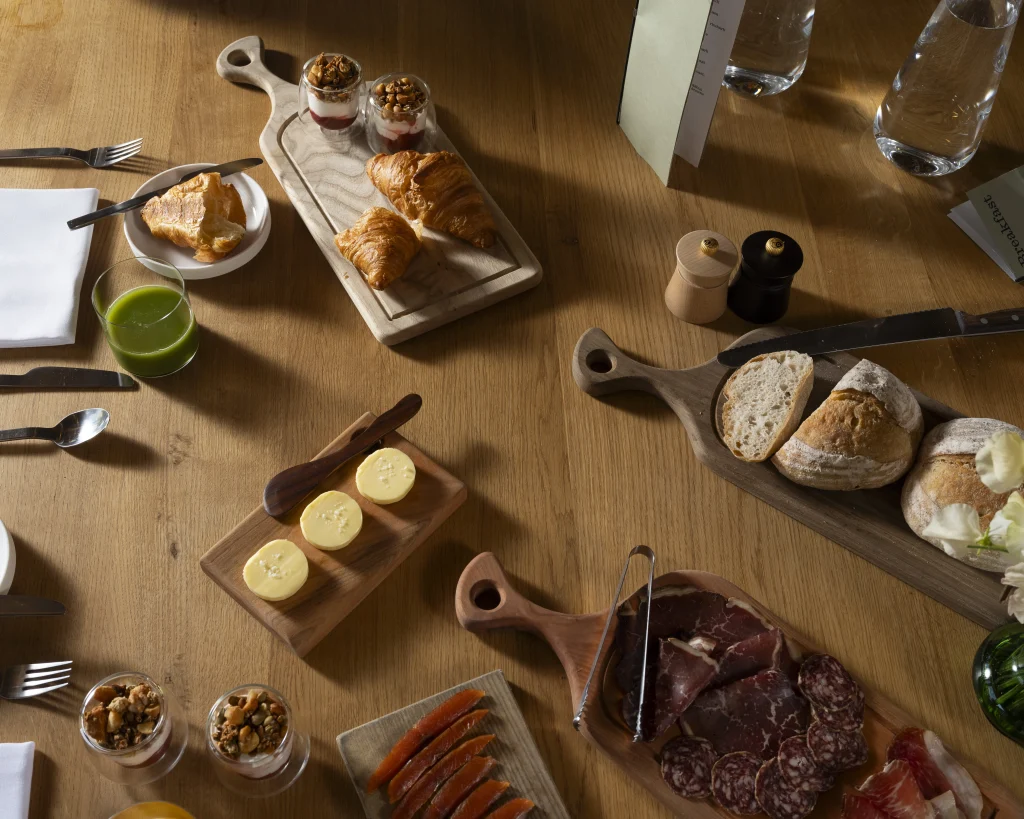
Menus evolve according to each day’s harvest, with dishes ranging from courgette and elderflower velouté to fillet of Shorthorn beef accompanied by cavolo nero pesto, concluding with desserts featuring estate honey and orchard fruit. Breakfast continues the same philosophy through homemade bread, preserves, butter, and cured meats prepared using produce from the farm.
The wine programme places particular emphasis on Northern Italy’s Alto Adige and Portugal’s Douro Valley, while cocktails highlight ingredients gathered from the estate’s gardens and surrounding hedgerows. Designed by Ryan Cook of Channel Architecture, the intimate eighteen-seat dining room centres around an open kitchen and communal table, encouraging conversation between guests and chefs while reinforcing the transparency that defines the estate’s culinary philosophy.
Beyond accommodation and dining, the farm offers an extensive programme of experiences introducing guests to the daily rhythms of rural life. Wildlife walks, bread-making demonstrations, seed harvesting, preserving workshops, and guided excursions across Dartmoor are included alongside bespoke experiences such as birdwatching, kayaking, sea foraging, and paddleboarding. Families are encouraged to participate through bushcraft, egg collecting, and hands-on farming activities that introduce younger visitors to food production and the natural environment.
Although surrounded by peaceful countryside, the estate remains only fifteen minutes from Totnes, whose independent restaurants, artisan producers, and farmers’ market reflect the region’s strong community identity. Dartmoor National Park and the South Devon coastline are both within easy reach, allowing guests to experience dramatic moorland landscapes and nearby beaches before returning to the farm, where the rhythm of the day naturally slows once again.
Image Credits: Ⓒ Jon Tonks