Fashion collections often begin with a visual concept, yet the most enduring ones are shaped by ideas that resonate on a more personal level. Contemporary designers increasingly explore themes connected to memory, identity, and human emotion, using clothing to examine experiences that extend beyond appearance alone. In this context, garments become a medium through which abstract ideas are translated into form, proportion, texture, and movement. Rather than following seasonal narratives, many collections now seek to provoke reflection while offering a fresh interpretation of established design codes.
The relationship between clothing and identity has long interested leading thinkers within the creative industries. Fashion theorist Valerie Steele, Director of The Museum at the Fashion Institute of Technology, has observed, “Fashion is one of the most powerful forms of visual communication.” Her statement highlights the ability of clothing to express ideas that reach beyond aesthetics alone. Designer Yohji Yamamoto has similarly remarked, “Clothes have the power to change the way we live.” Together, these perspectives illustrate how contemporary fashion increasingly explores emotional experience alongside craftsmanship and technical design.
For his second collection at Jil Sander, Simone Bellotti presents a thoughtful exploration of the idea of home. Rather than approaching the concept as a physical destination, the collection considers home as an emotional condition where familiarity, memory, restraint, and spontaneity exist simultaneously. Through this perspective, Bellotti reinterprets the house’s minimalist heritage while introducing a softer, more fluid visual language.
The collection examines the relationship between comfort and uncertainty, suggesting that familiar surroundings are constantly redefined through personal experience. Instead of presenting home as a fixed idea, the garments reflect its changing emotional character through movement, proportion, and materiality. Could contemporary fashion be moving away from visual statements towards collections that invite a more personal interpretation?

This philosophy is expressed through silhouettes that appear to evolve naturally around the body. Curved forms and generous volumes introduce a sense of fluidity while maintaining the architectural precision historically associated with Jil Sander. The result is clothing that appears to possess its own quiet rhythm, balancing structure with an understated feeling of ease.
Tailoring remains central to the collection but is interpreted with greater softness than rigid construction. Carefully considered proportions create garments that move freely, allowing volume and drape to become defining elements without compromising the clarity of line that has long characterised the house.
The colour palette reinforces this restrained atmosphere through faded neutrals, deep black, muted blue, and soft grey. Rather than relying on strong chromatic contrasts, the collection builds visual depth through subtle tonal variations, allowing texture and silhouette to take precedence over colour itself.
Materials further develop the narrative by introducing fabrics inspired by upholstery, bringing an unexpected tactile quality to tailoring and outerwear. These richly textured textiles establish a dialogue between fashion and interior design, quietly reinforcing the collection’s meditation on domesticity without becoming overtly literal.
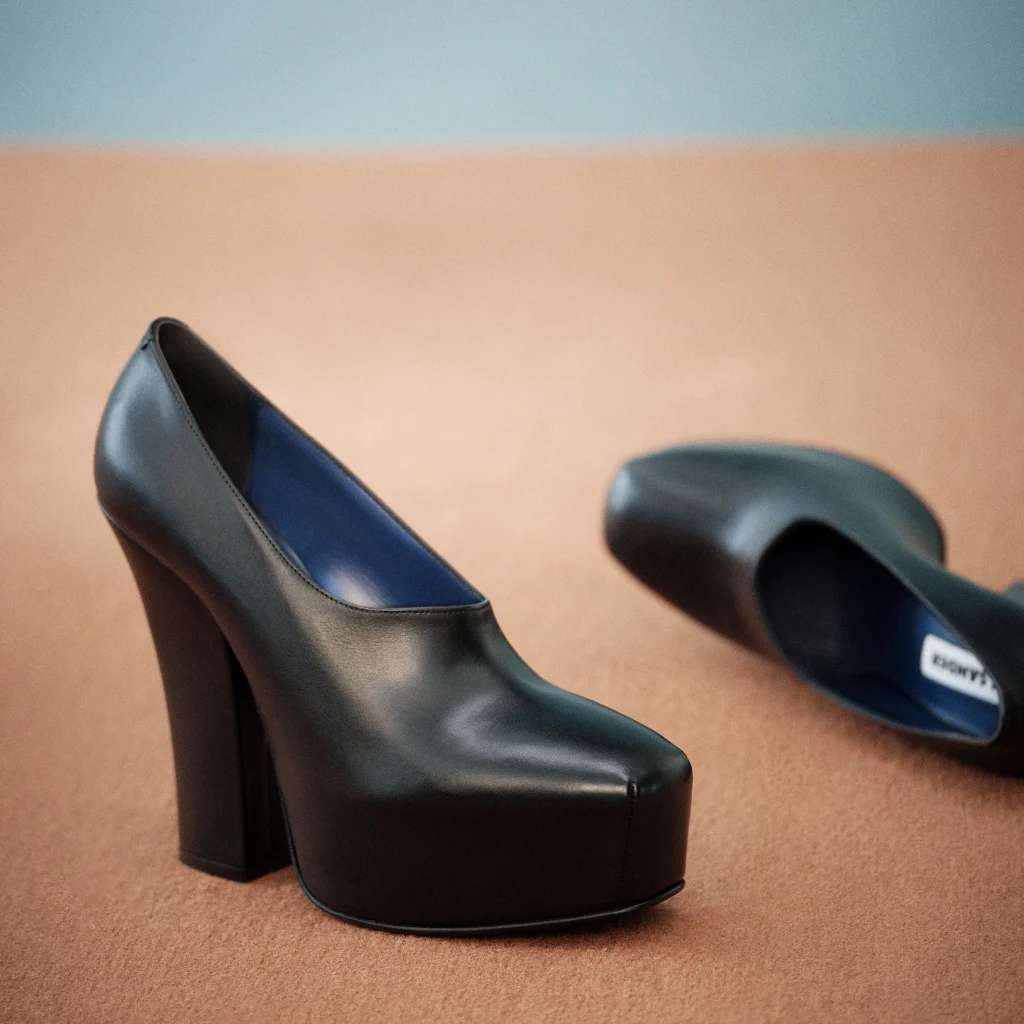
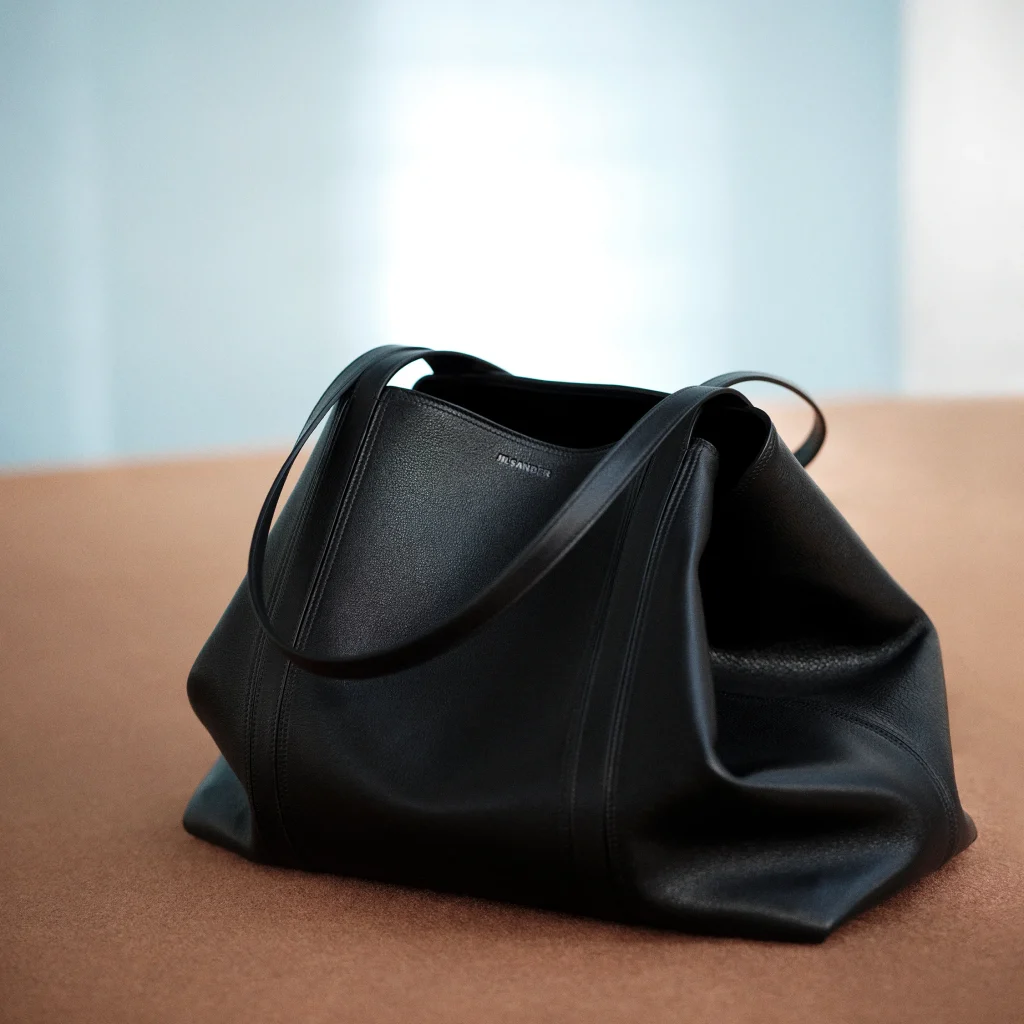
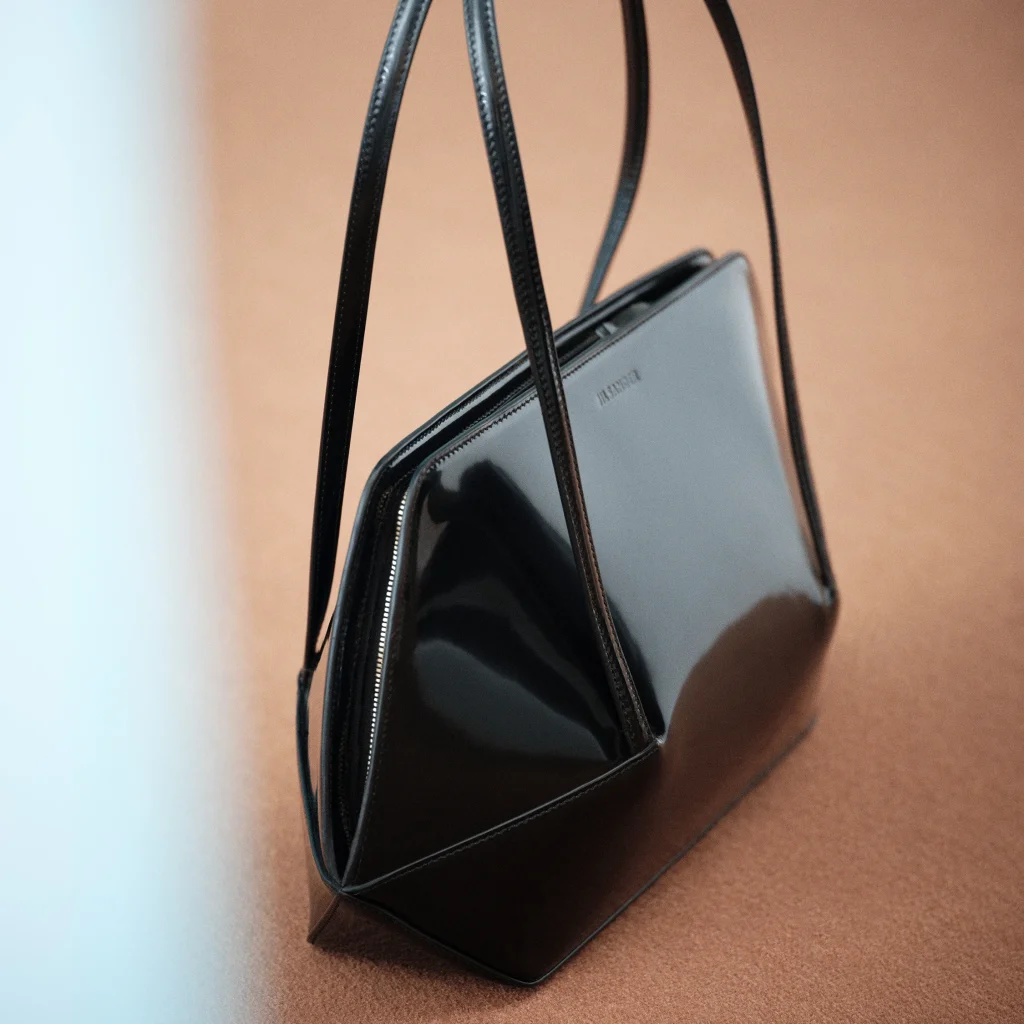
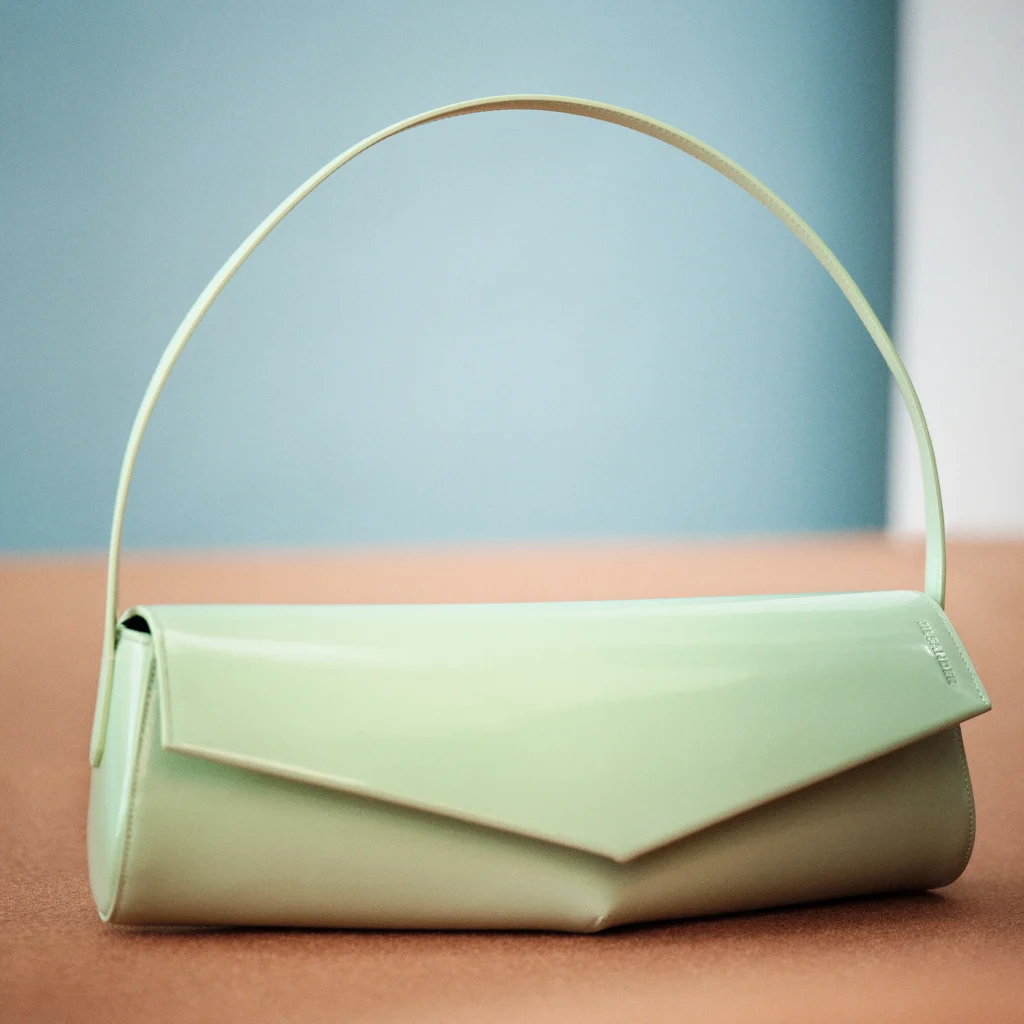
Accessories continue the same design philosophy. The new Elbe shoe introduces sculptural forms that complement the flowing silhouettes of the garments, while the Kante bag explores the balance between clean geometry and tactile craftsmanship. Together, they extend the collection’s visual language beyond clothing while maintaining its emphasis on refined simplicity.
Through this latest collection, Simone Bellotti offers a considered reinterpretation of Jil Sander’s established identity. By exploring the emotional dimensions of home through fluid tailoring, sculptural volume, and restrained materiality, the collection demonstrates how contemporary fashion can communicate ideas that are both deeply personal and universally recognisable.