Luxury travel continues to evolve beyond traditional concepts of relaxation, with travellers increasingly seeking destinations that combine meaningful experiences, outdoor activities, and a strong sense of place. Resorts are responding by developing environments where sport, nature, gastronomy, and local culture exist as part of a single journey, allowing guests to shape each day according to their own interests. This growing appreciation for active lifestyles has encouraged hospitality brands to create spaces that foster genuine connections with both the surrounding landscape and local traditions. As experiential travel continues to influence the sector, destinations that encourage movement and discovery are becoming increasingly sought after.
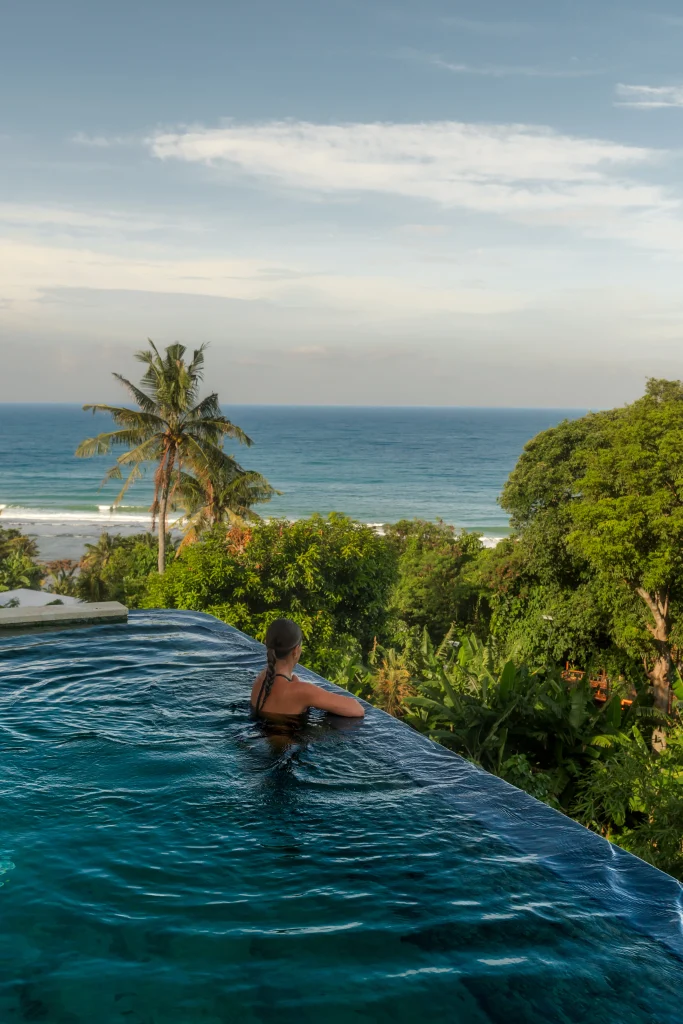
This shift is reflected across the global tourism industry. According to the World Travel & Tourism Council, travellers are increasingly prioritising experiences over material purchases, with adventure and nature-based activities remaining among the strongest contributors to the continued expansion of luxury tourism. Supporting this trend, the Global Wellness Institute notes that wellness tourism has developed into one of the fastest-growing sectors of international travel, driven by guests seeking destinations that combine physical activity, nature, and personal wellbeing. Hospitality expert Horst Schulze, co-founder of The Ritz-Carlton Hotel Company, once observed, “People expect so much more than they did before. They expect an experience.” His observation illustrates how successful hospitality increasingly depends on creating memorable moments that extend far beyond accommodation alone. The most distinctive resorts are those that encourage guests to engage with their surroundings through carefully curated experiences that feel authentic to their destination.
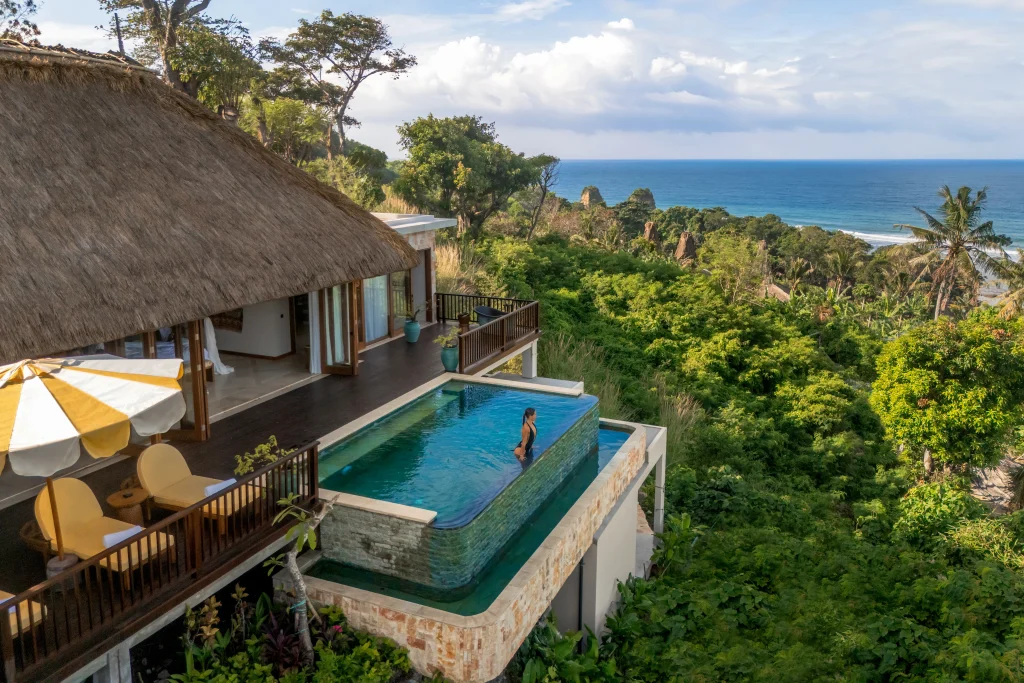
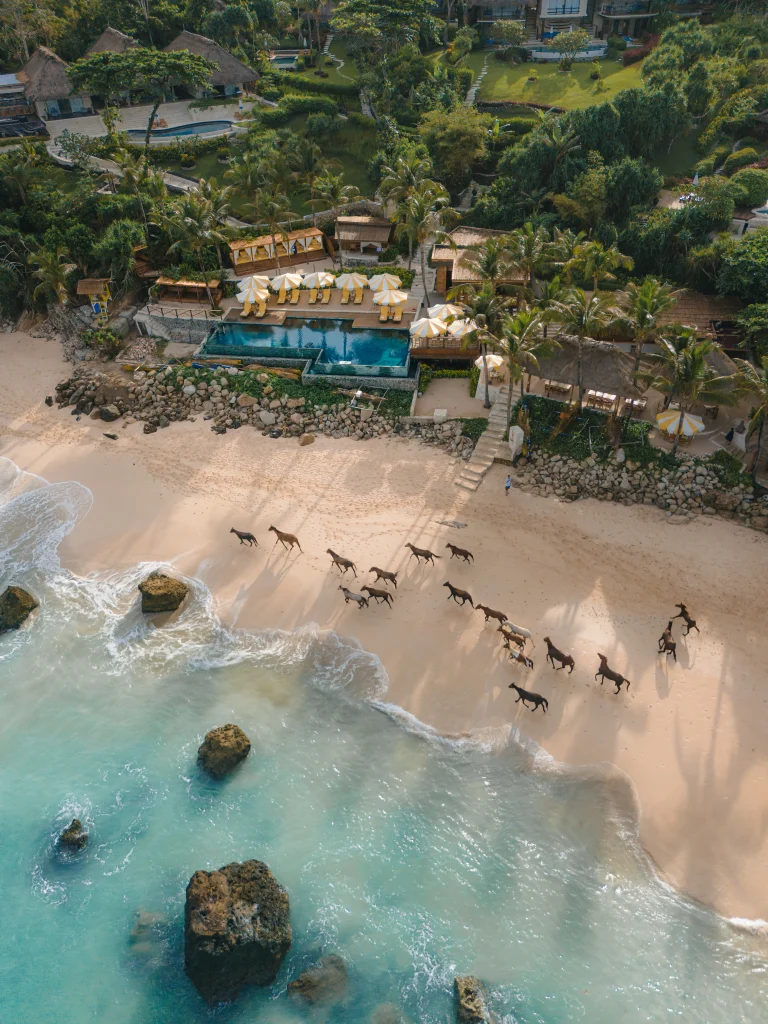
This philosophy continues at NIHI Sumba with the introduction of the Riding & Racquet Club, a new beachfront destination that brings together the resort’s renowned Sandalwood horses, its first international-standard tennis court, a clubhouse overlooking Nihiwatu Beach, and a collection of experiences centred on sport, gastronomy, and community. Conceived by NIHI founders James McBride and Chris Burch together with Creative Director Caroline Usher and UBD Global, the project represents the latest addition to the resort’s evolving vision of island living.
Positioned alongside NIHI’s newest villas, the club has been designed as a place where guests naturally move between horseback riding, tennis, leisurely lunches, and evenings by the ocean. The different elements are closely connected, creating a destination that accompanies visitors throughout the day while maintaining the relaxed atmosphere for which the resort has become known. Could the future of luxury hospitality be defined by destinations where every activity contributes to a richer connection with the surrounding landscape?
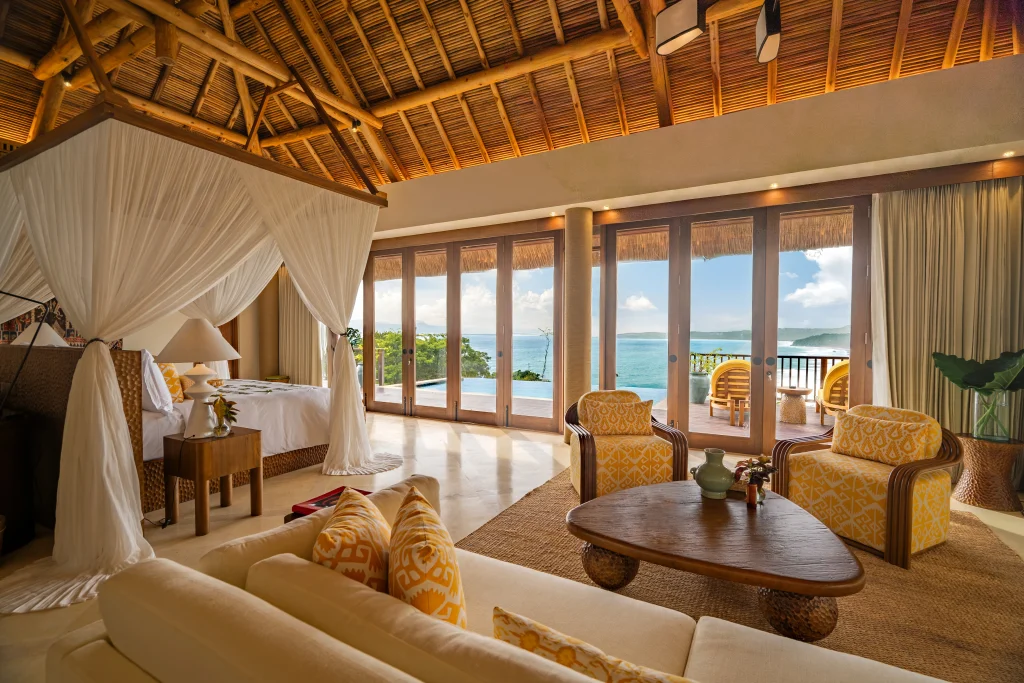
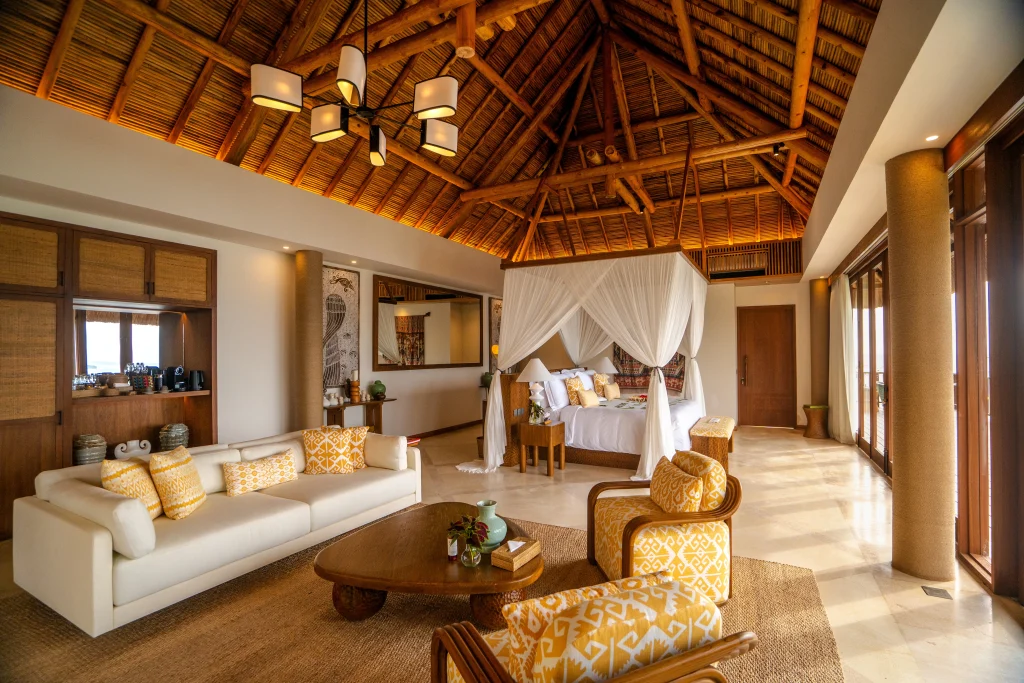
At the centre of the development is the clubhouse, conceived as the social heart of the experience. Designed by Caroline Usher, the interiors combine dark teak, soaring thatched ceilings, handcrafted Sumbanese details, and carefully selected vintage sporting objects. Traditional Sumba spears, antique wooden tennis racquets, historic polo mallets, and intricately carved wooden pieces establish a dialogue between local craftsmanship and the history of equestrian and racquet sports. Throughout the day, the clubhouse changes naturally from a quiet setting for morning coffee into a gathering place for lunches, sunset cocktails, and evening conversations overlooking the Indian Ocean.
The Sandalwood Stables remain one of NIHI’s defining features and have been placed at the centre of the new club’s design. Riding along Nihiwatu Beach has long been recognised as one of the island’s most memorable experiences, offering visitors an opportunity to explore Sumba’s dramatic coastline from horseback. By positioning the stables alongside the clubhouse, guests remain closely connected to the horses whether preparing for a ride, observing the morning routines from the terrace, or returning to the paddocks after an afternoon excursion.
The Riding & Racquet Club also introduces the resort’s first international-standard tennis court, expanding NIHI’s programme of outdoor activities. Suitable for private coaching sessions, informal matches, or family games, the court provides another opportunity for guests to incorporate movement into their stay while remaining only a short walk from the beach.
Each Monday evening, the atmosphere shifts towards gastronomy with Bakar di Kandang Kuda, meaning “grill at the horse stables.” The weekly open-fire dinner brings guests together beneath the night sky to enjoy dishes prepared over live flames using regional ingredients and flavours inspired by Sumba’s culinary traditions. Set beside the horses with the sound of the ocean in the background, the gathering has become one of the resort’s regular social occasions.
The experience continues inside the club’s boutique, where visitors discover a carefully curated collection of limited-edition apparel, equestrian accessories, racquet equipment, and artisan-crafted pieces developed exclusively for the property. Many of the designs have been created in collaboration with local craftspeople, celebrating Sumba’s creative heritage through natural materials and traditional techniques.
The next phase of the project will introduce an adults-only beachfront swimming pool overlooking Nihiwatu Beach and the Sandalwood horses. Located beside the clubhouse, the new addition will provide another setting where guests can spend time after a morning ride, following a tennis match, or simply enjoying uninterrupted views across one of Indonesia’s most celebrated coastlines.
With the Riding & Racquet Club, NIHI Sumba expands its long-standing philosophy of connecting guests with the island through meaningful experiences. By bringing together equestrian traditions, sport, local craftsmanship, gastronomy, and the natural beauty of Nihiwatu Beach, the new destination presents an approach to hospitality where every part of the day becomes an opportunity to experience Sumba from a different perspective.