Wine estates today are increasingly defined by more than the bottles they produce. Across Italy’s leading wine regions, estates have evolved into destinations where viticulture, architecture, gastronomy, and hospitality come together to present a complete expression of place. According to the International Organisation of Vine and Wine (OIV), Italy remains one of the world’s largest wine producers and exporters, with premium appellations continuing to strengthen their international reputation through quality, sustainability, and wine tourism. As travellers seek experiences rooted in local culture, wineries have become important ambassadors for regional identity.
“Wine is sunlight, held together by water,” wrote Galileo Galilei. Although poetic in its simplicity, the phrase captures a fundamental truth about winemaking: every bottle reflects the landscape, climate, and people behind it. Great wines are never created by technique alone. They emerge from a close relationship between nature, craftsmanship, and patience, qualities that continue to define many of Italy’s most respected wine estates.
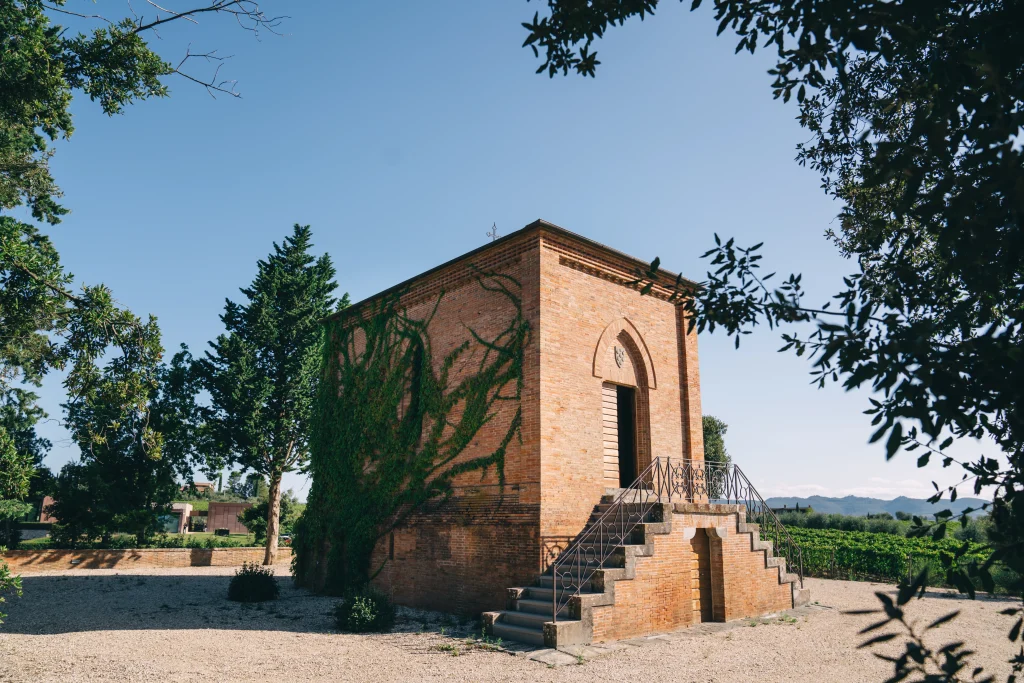
These principles guide Vallepicciola, a contemporary winery located in the heart of Chianti Classico. Situated in Castelnuovo Berardenga, approximately fifteen kilometres from Siena, the estate combines centuries of Tuscan winemaking traditions with modern architecture and advanced production techniques, creating a destination where heritage and innovation exist in equal measure. How can a winery honour one of Italy’s oldest wine regions while continuing to shape its future?
The story of Vallepicciola began in 1999 when Bruno Bolfo and his sister Giuseppina acquired and restored a historic farmhouse that later became the five-star Hotel Le Fontanelle. Over the following years, the project gradually expanded beyond hospitality to establish a fully integrated wine estate dedicated to expressing the distinctive character of the Chianti Classico terroir.
That vision continued with the opening of The Club House, further strengthening the property’s hospitality offering while complementing its growing reputation as a wine destination. Today, accommodation, gastronomy, vineyards, and wine production form a unified experience that reflects the slower rhythm of life traditionally associated with the Tuscan countryside.
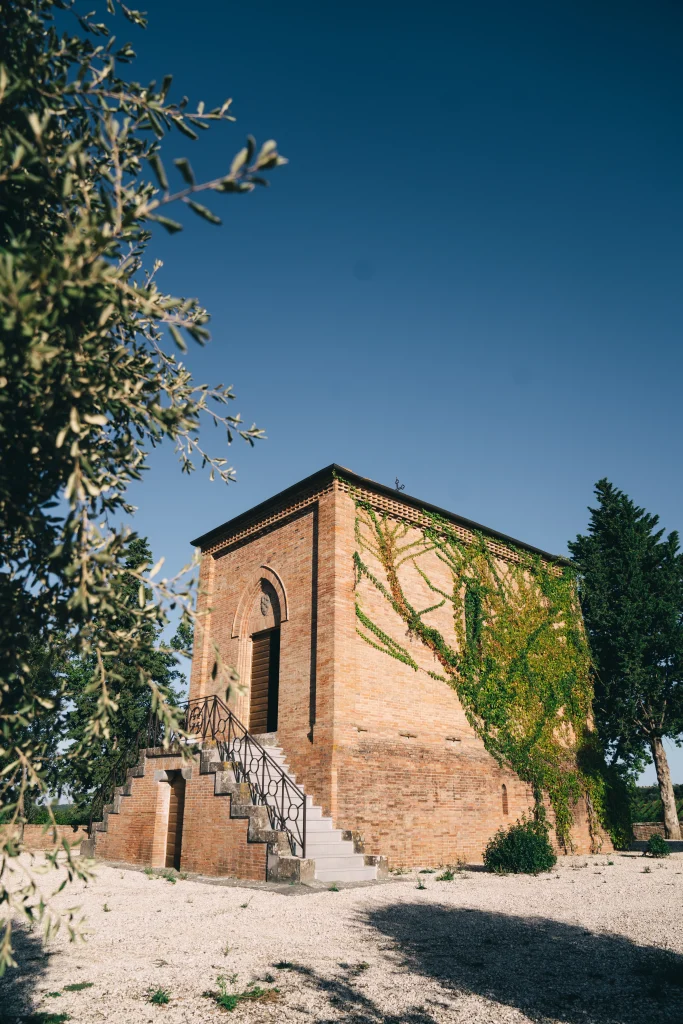
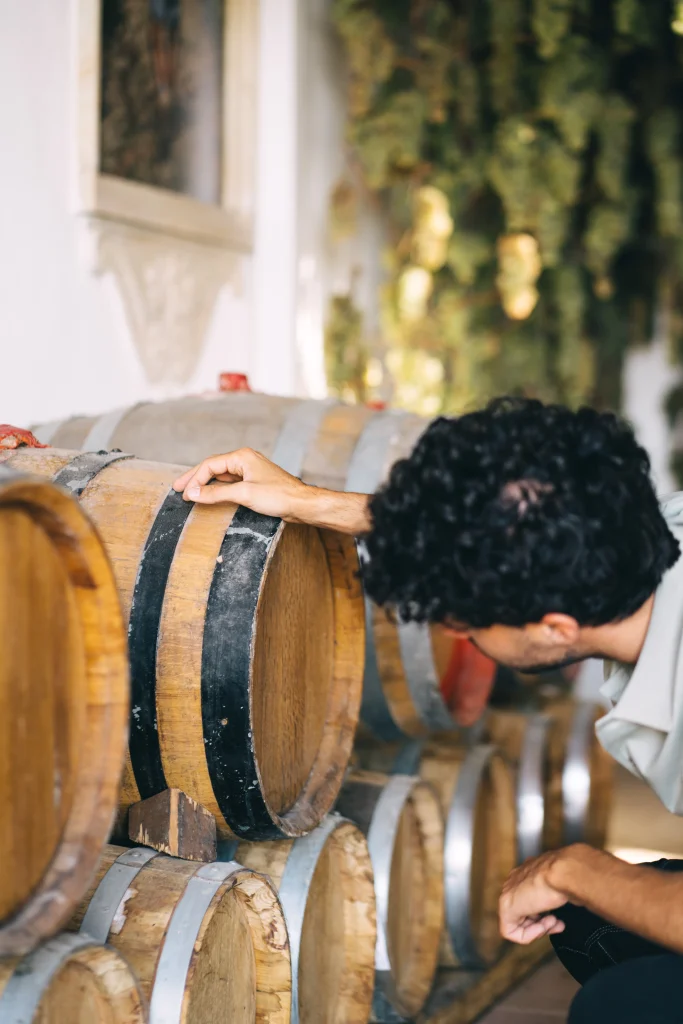
The architectural centrepiece of the estate is its contemporary winery, designed by architect Margherita Gozzi. Covering approximately 6,000 square metres, the building has been carefully integrated into the surrounding landscape through a predominantly subterranean design that minimises its visual impact while providing optimal conditions for wine production. Administrative offices, tasting rooms, a dedicated wine library, retail space, and every stage of the winemaking process are brought together within a single architectural concept that combines functionality with understated elegance.
The vineyards extend across 109 hectares, where six grape varieties are cultivated alongside approximately 4,000 olive trees producing extra virgin olive oil. Sangiovese remains the estate’s defining variety and the foundation of its Chianti Classico DOCG wines, while Pinot Noir, Merlot, Cabernet Sauvignon, Cabernet Franc, Chardonnay, and Petit Verdot contribute to a selection of Tuscan IGT labels that broaden the estate’s portfolio.
Under the leadership of Chief Executive Officer Nicola Vercellotti and Winemaker and General Manager Gaia Cinnirella, Vallepicciola produces approximately 500,000 bottles annually. The collection comprises seventeen wine labels, a grappa, and two extra virgin olive oils, reflecting both the diversity of the vineyards and the estate’s commitment to producing wines across different styles while maintaining a consistent focus on quality.
International markets play an important role in the winery’s continued development. Around fifty-five per cent of production is exported to more than twenty-five countries, with particular emphasis on the United States and Asia, while the remaining forty-five per cent serves the Italian market. This balanced distribution has helped establish Vallepicciola among a growing international audience while preserving a strong presence within its domestic market.
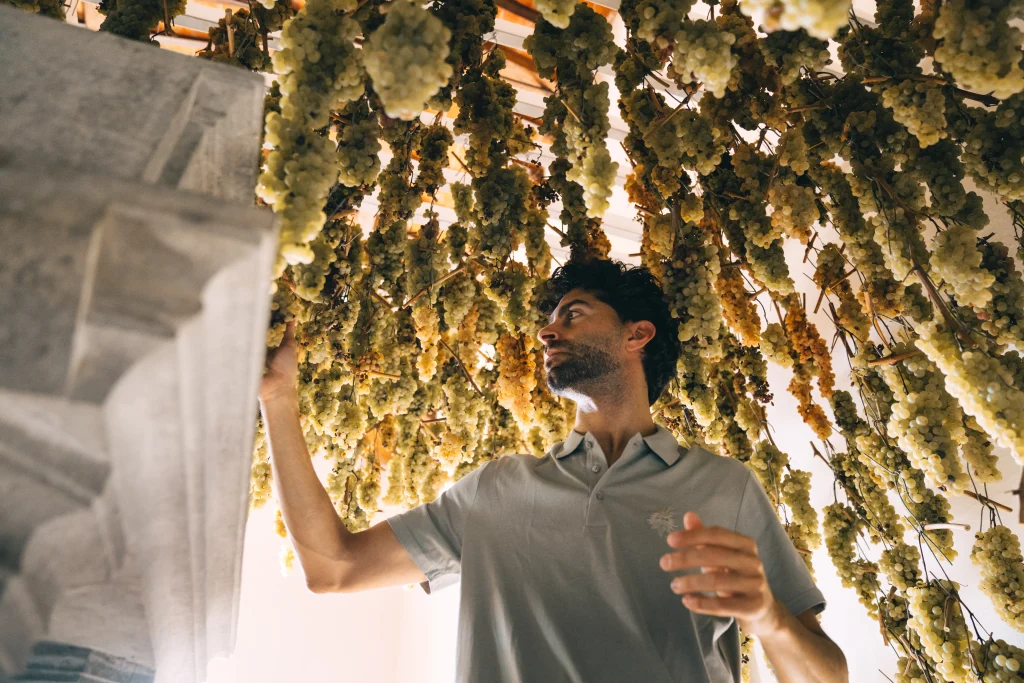
Beyond wine production, the estate has developed an extensive programme of visitor experiences designed to introduce guests to the culture of Chianti Classico. Guided vineyard walks, cellar tours, tastings led by wine specialists, and opportunities to meet the winemaking team allow visitors to gain a deeper understanding of the estate’s philosophy. Culinary experiences, cultural events, and live music further enrich the programme, transforming a visit into an exploration of Tuscany’s wider gastronomic and artistic traditions.
The surrounding landscape remains inseparable from the overall experience. Rolling vineyards, olive groves, and the gently changing hills of Castelnuovo Berardenga provide a setting that has shaped local viticulture for generations. Rather than standing apart from its environment, the estate has been designed to reinforce the character of the region while presenting it through a contemporary architectural language.
Vallepicciola demonstrates how a modern winery can successfully unite hospitality, architecture, and viticulture within one cohesive vision. By combining respect for the traditions of Chianti Classico with ongoing investment in design, craftsmanship, and international development, the Tuscan estate continues to contribute to the evolving story of one of Italy’s most celebrated wine regions.