Luxury travel is increasingly defined by purpose as much as destination. Across Africa, a growing number of safari lodges are combining exceptional hospitality with long-term conservation projects, allowing travellers to contribute directly to the protection of wildlife and fragile ecosystems. According to the World Travel & Tourism Council (WTTC), nature-based tourism continues to be one of the fastest-growing segments of international travel, while conservation-focused experiences are becoming an important motivation for visitors seeking meaningful journeys. As expectations shift, safaris are evolving from opportunities to observe wildlife into experiences that actively support its future.
“The only good cage is an empty cage,” observed conservationist and filmmaker Sir David Attenborough, whose lifelong work has transformed global understanding of biodiversity and habitat protection. His philosophy reflects a growing movement within conservation that prioritises restoring natural ecosystems over simply protecting isolated species. Successful wildlife conservation depends not only on safeguarding individual animals but also on rebuilding entire landscapes where they can thrive naturally. Increasingly, travellers are becoming participants in this process, supporting projects that continue long after their visit has ended.
This philosophy lies at the heart of Lolelunga Private Reserve, part of the Zambia Luxury Lodge Collection, which welcomes guests for the 2026 safari season from 10 May to 15 November. Situated along the wildlife-rich Lunga River in northern Zambia, the reserve introduces visitors to one of Africa’s most ambitious ecological restoration projects, where conservation remains an ongoing process rather than a completed achievement. Could the future of luxury safaris be measured not only by extraordinary wildlife encounters but also by the lasting impact each journey leaves behind?
Covering 30,000 hectares—an area approximately twice the size of Washington, D.C.—Lolelunga occupies a significant section of Zambia’s lesser-visited northern Kafue region. It is the country’s first fully fenced private reserve dedicated to large-scale ecological restoration. Only a few years ago, the landscape bore the scars of extensive poaching, illegal fishing, habitat destruction, and uncontrolled deforestation. Through sustained habitat rehabilitation, strengthened anti-poaching operations, and carefully planned wildlife reintroductions, the reserve has gradually begun restoring the ecological balance that once characterised the region.
The 2026 season marks one of the most significant stages in that transformation. Among the reserve’s most remarkable achievements is its pioneering cheetah recovery programme, launched in 2024. Once entirely absent from this part of Zambia, the species is gradually returning through a carefully managed conservation strategy developed in collaboration with wildlife authorities and specialist conservation organisations. Founder animals were introduced with the long-term objective of establishing a stable breeding population while supporting the recovery of Zambia’s critically endangered wild cheetah population, currently estimated at fewer than one hundred individuals across the entire country.
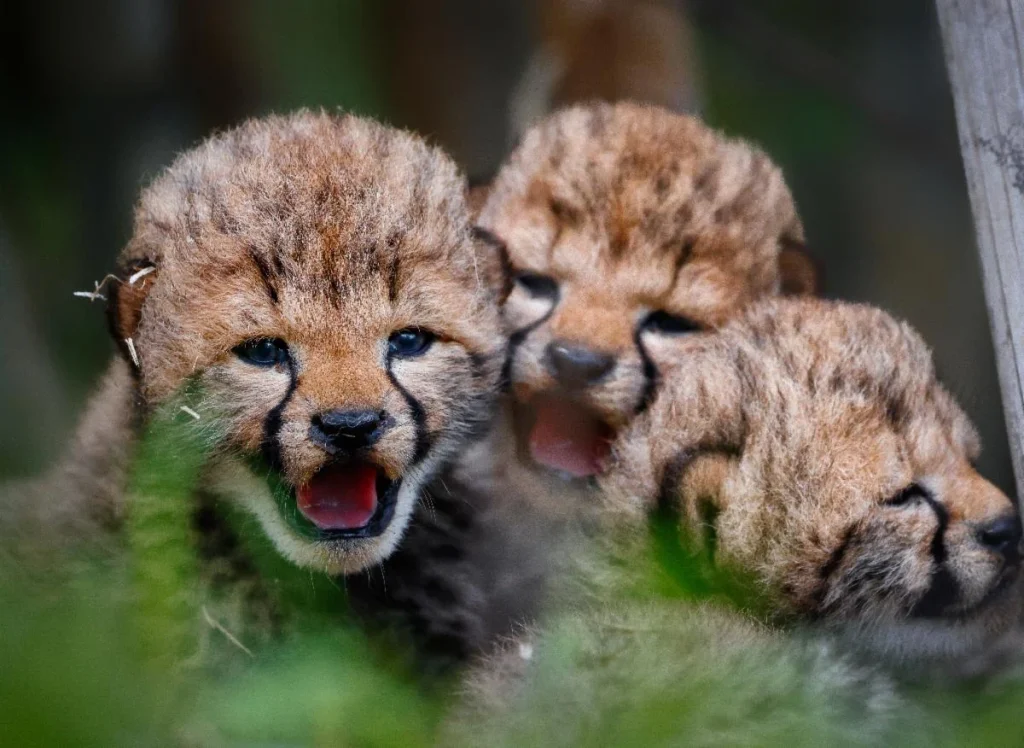
That ambition produced an important breakthrough in 2025 with the birth of three healthy cheetah cubs—the first successful breeding event ever recorded within the reserve. Far more than an individual milestone, the births demonstrated that restored habitats, expanding prey populations, and carefully managed ecological conditions are now capable of supporting one of Africa’s most vulnerable predators. During the current safari season, guests may witness these young cheetahs alongside the adults as they gradually establish their territory across the recovering landscape.
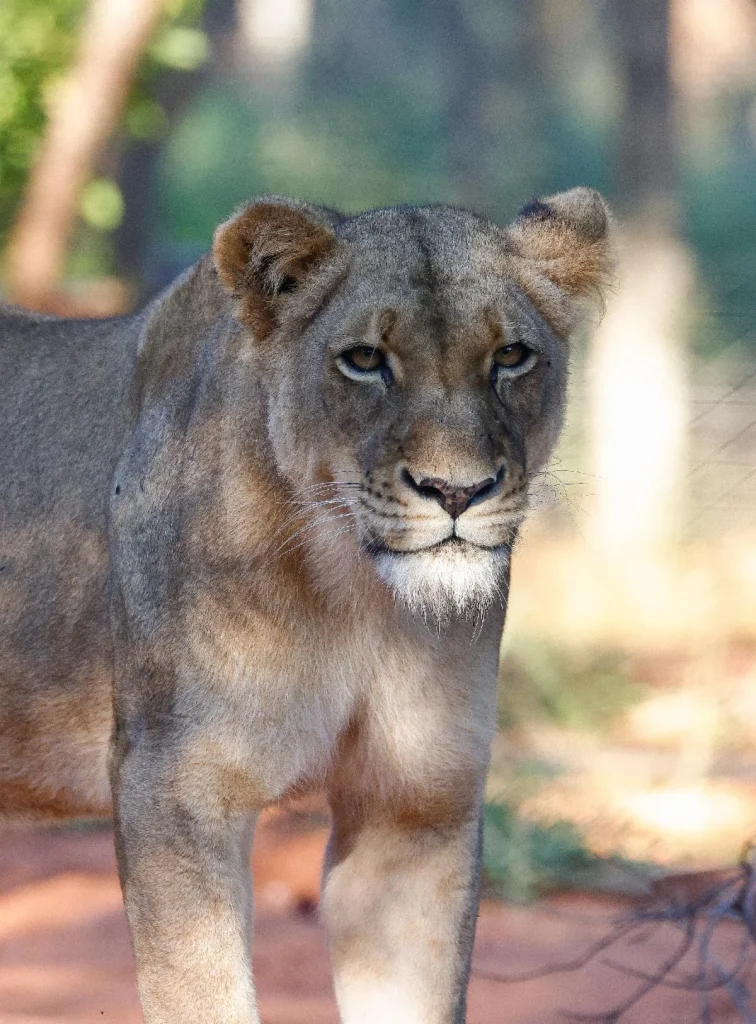
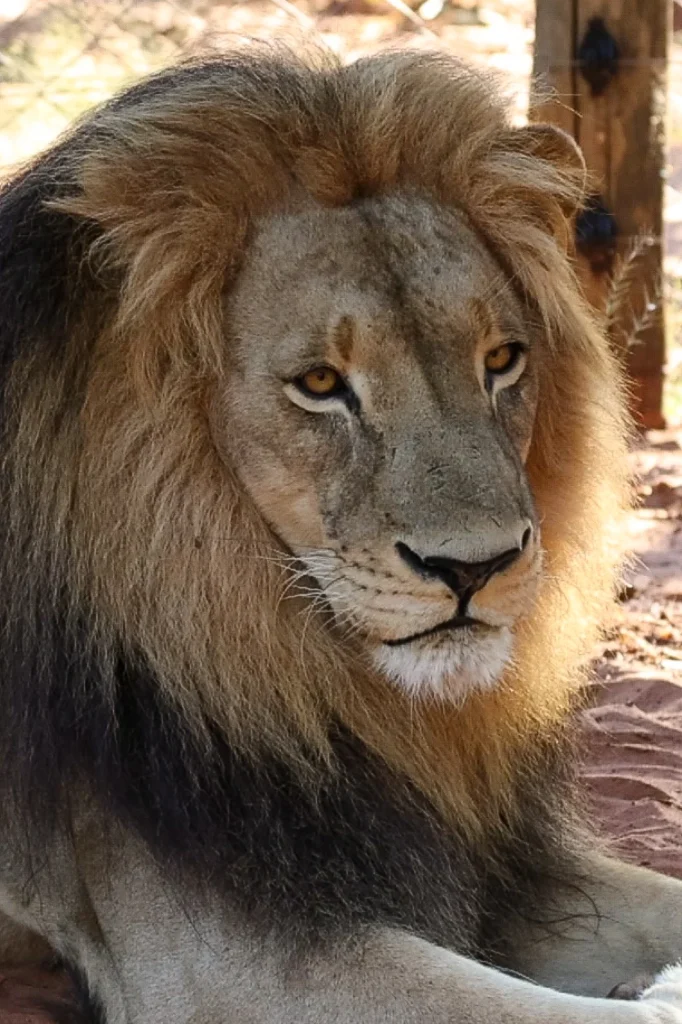
The reserve has also reached another historic moment through Zambia’s first rewilding programme involving captive-bred lions. Fifteen years ago, lions disappeared entirely from the area following years of poaching and increasing conflict between humans and wildlife. Restoring them required an entirely different conservation strategy.
Working alongside Mukuni Big Five near Livingstone, Lolelunga initiated a pioneering programme focused on preparing captive-born lions for independent life in the wild. A male and female pair arrived at the reserve in April, entering a specially constructed rewilding boma where they began adapting gradually to natural conditions.
Since their arrival, conservation teams have observed encouraging progress. The lions have successfully established a stable social hierarchy and developed a strong bond, both regarded as essential foundations for eventual release. Equally important, behavioural monitoring has confirmed growing territorial awareness, natural feeding responses, and instinctive hunting behaviours that indicate successful adaptation to their new environment.
Their rehabilitation follows carefully designed protocols intended to rebuild instincts gradually lost during captivity. Whole carcasses are provided to encourage natural feeding behaviour, strengthen physical condition, and prepare both animals for independent survival. GPS telemetry systems are now being finalised to allow continuous monitoring after release, while veterinary teams continue to report excellent health and steady progress throughout the programme. The reserve’s long-term ecological vision extends even further. Later this year, black rhinoceros will also be reintroduced, bringing Lolelunga another step closer to restoring a complete and balanced ecosystem where predators, herbivores, and native species coexist as they once did. Each reintroduction contributes to rebuilding an ecological network that had gradually disappeared over several decades.
As Jennifer Beattie, Director of Sales and Marketing for the Zambia Luxury Lodge Collection, explains, the reserve represents “genuine regenerative conservation in action.” Rather than presenting conservation as a completed achievement, Lolelunga allows visitors to witness ecological recovery while it is actively taking place, transforming every stay into direct support for habitat restoration and wildlife protection.
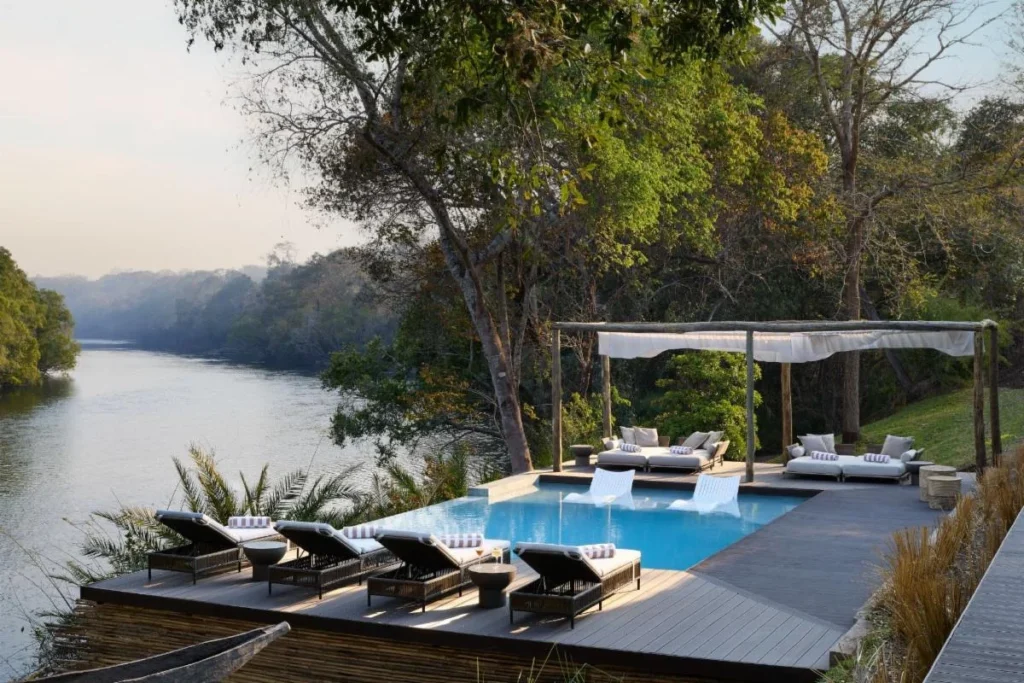
Facilities include a rim-flow swimming pool facing the river, a spa overlooking the reserve, a fully equipped fitness centre with an outdoor yoga deck, and the Ngoma Deck, where private dinners and overnight sleep-outs beneath Zambia’s night sky create memorable moments between safari activities. Contemporary comfort has been introduced without compromising the reserve’s environmental priorities, maintaining an atmosphere that remains closely connected to the surrounding landscape.
Exploration continues through twice-daily game drives, guided walking safaris, canoe excursions along the Lunga River, catch-and-release fishing, and specialist birdwatching across a habitat supporting more than 340 recorded bird species. Instead of following predetermined routes, every excursion responds to the movements of wildlife and the constantly changing rhythms of the reserve itself. One morning may reveal elephants feeding high among the trees, another the growing confidence of young cheetahs exploring the plains, while future visitors may witness lions gradually reclaiming territory they abandoned many years ago.
Located only thirty kilometres north of Kafue National Park and seamlessly connected with other properties within the Zambia Luxury Lodge Collection, Lolelunga offers an experience where conservation and luxury are inseparable. Rather than presenting wildlife as a finished spectacle, the reserve invites travellers to become witnesses to one of Africa’s most significant ecological recoveries, demonstrating how carefully managed tourism can actively contribute to restoring landscapes that once appeared beyond repair.