Residential architecture continues to reflect changing ideas about the way people live, work, and spend time at home. Around the world, architects and designers are increasingly creating residences that prioritise natural light, generous outdoor spaces, and a close relationship with their surroundings, responding to a growing demand for homes that balance privacy with openness. According to the 2025 Houzz & Home Study, homeowners continue to invest in projects that improve both everyday comfort and long-term quality of life, with outdoor living areas and architectural design remaining among the strongest priorities. As cities become denser, contemporary residences are increasingly designed to create a sense of calm while maintaining a strong visual identity.
“The mother art is architecture. Without an architecture of our own, we have no soul of our own civilisation,” wrote Frank Lloyd Wright. Although expressed more than a century ago, his words continue to resonate within contemporary residential design. The most memorable homes are rarely distinguished by scale alone. Instead, they are defined by the relationship between structure, proportion, light, and the people who inhabit them, creating environments that remain relevant long after architectural trends have changed.

These principles find a compelling expression in Vista, a private residence designed by Australian designer David Hicks in Melbourne. Conceived as a contemporary family home spread across four levels, the project occupies an elevated site that allows architecture and landscape to interact continuously throughout the day. How can a house respond to its surroundings while maintaining a powerful architectural identity of its own?
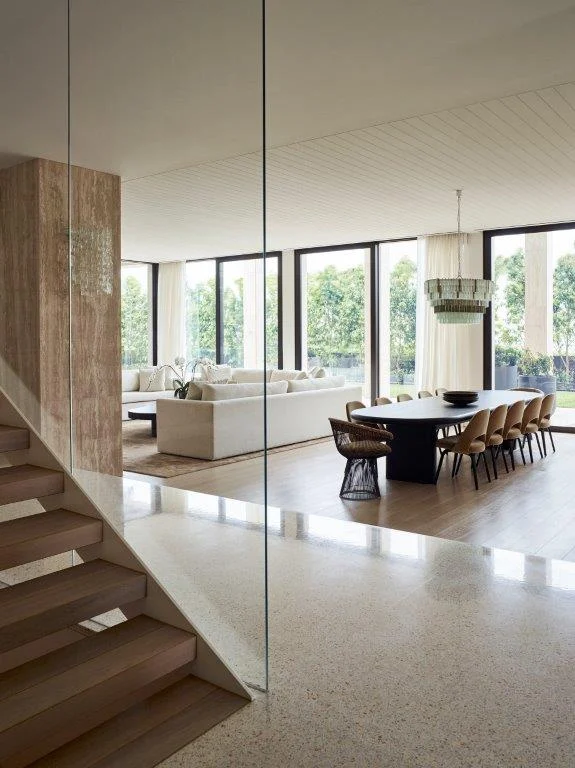
Rather than treating the elevated position simply as an opportunity for panoramic views, the design transforms the site’s natural advantages into an essential part of everyday life. Large openings invite changing daylight deep into the interiors, while carefully positioned living spaces maintain uninterrupted visual connections with the surrounding landscape. Every floor has been organised to maximise openness without compromising privacy, allowing each area to enjoy its own relationship with the exterior.
Outdoor living forms an equally important part of the architectural composition. Expansive terraces extend naturally from the interior spaces, creating generous settings for dining, relaxation, and social gatherings. Instead of functioning as separate additions, these outdoor areas become direct extensions of the home itself, reinforcing a lifestyle closely connected to Melbourne’s climate and outdoor culture.
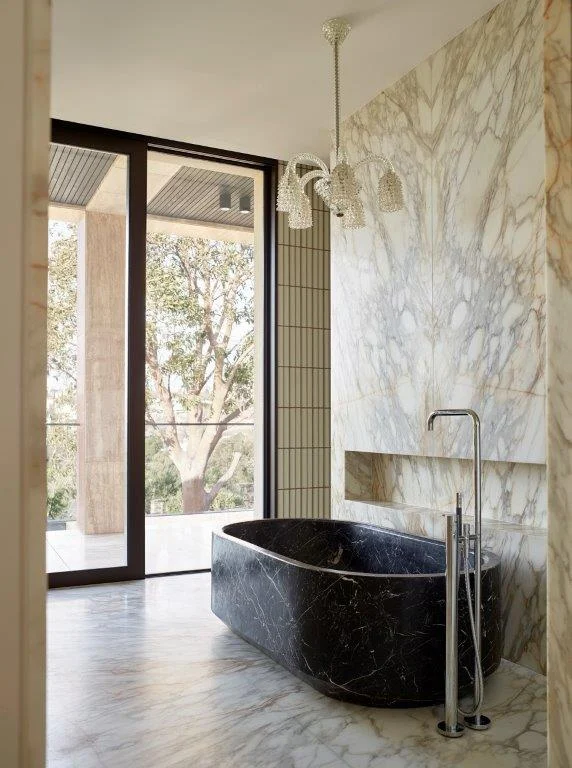
The architectural language draws inspiration from Italian Brutalism, interpreted through a contemporary residential lens. Strong geometric forms, carefully composed volumes, and a disciplined material palette establish a confident visual presence while avoiding unnecessary ornamentation. The influence is visible not only in the overall composition but also in the careful balance between solidity and openness, where substantial architectural elements are softened by natural light and carefully framed views.
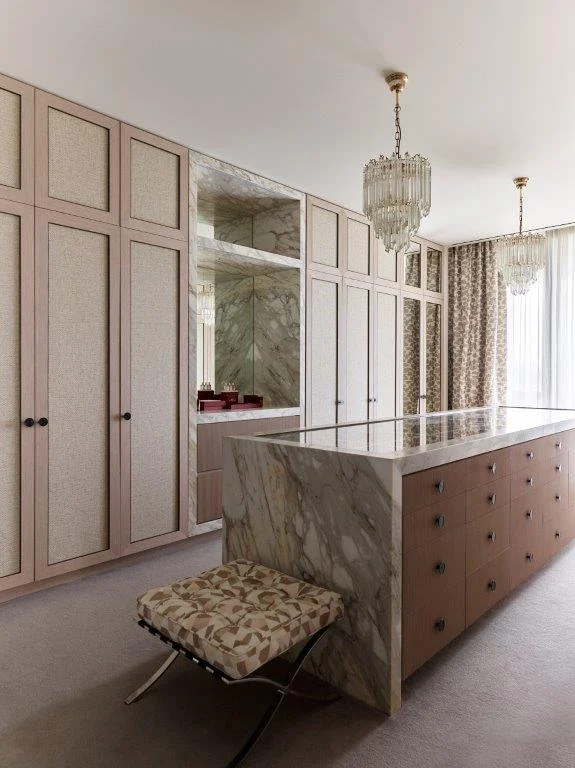
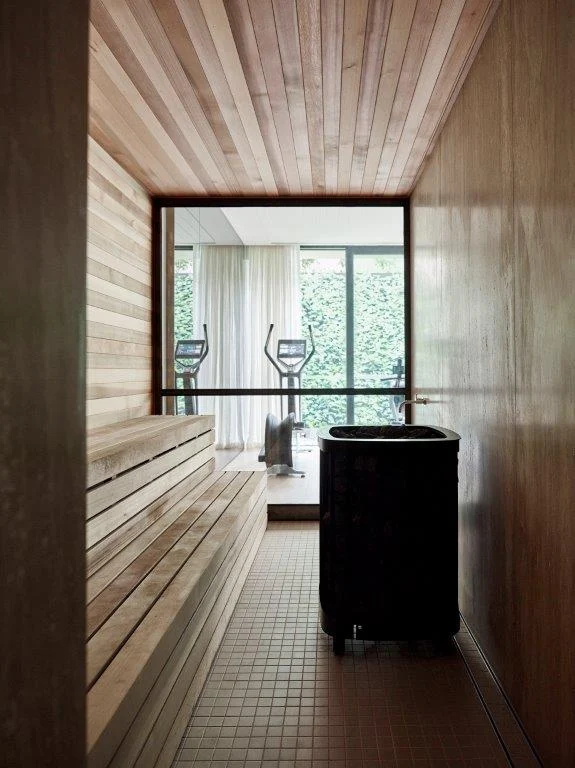
Inside, the residence maintains the same commitment to proportion and spatial clarity. Rooms flow naturally from one to another, creating a sequence of living environments that adapt comfortably to both family life and larger gatherings. Rather than relying on decorative gestures, the interiors achieve their character through architectural precision, restrained detailing, and the careful orchestration of scale.
Vista also reflects a broader direction within contemporary Australian residential architecture, where international influences are interpreted through local conditions instead of being directly replicated. Here, references to European architectural traditions coexist with an approach shaped by Melbourne’s landscape, climate, and lifestyle, resulting in a residence that feels both globally informed and firmly rooted in its location.
Having previously appeared only once in Australia, Vista now receives broader international attention as a country-exclusive project. Its limited publication history further underlines the uniqueness of a residence that demonstrates how contemporary family living can be expressed through architecture that values light, openness, and enduring design principles over passing trends.
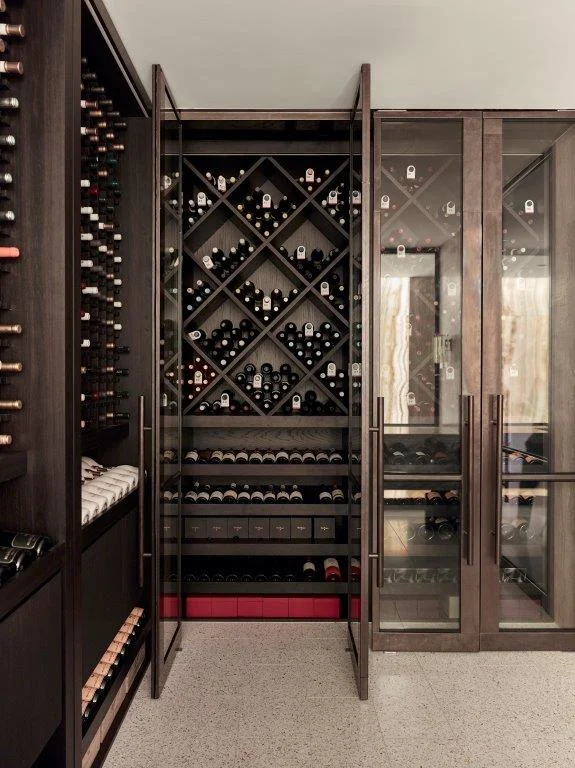
With its commanding position, sculptural composition, and thoughtful relationship between interior and exterior spaces, Vista offers a compelling example of how residential architecture continues to evolve. Rather than seeking attention through excess, David Hicks presents a home where every architectural decision contributes to a coherent vision of contemporary living—one shaped by proportion, craftsmanship, and a lasting dialogue with its surroundings.