Watchmaking rarely changes direction overnight. Instead, new ideas emerge gradually, refined through countless technical and aesthetic decisions before they begin to influence an entire industry. The strongest introductions demonstrate that progress is increasingly measured through proportion, craftsmanship, and thoughtful execution, with manufacturers placing equal emphasis on comfort, visual balance, and mechanical excellence. Could the smallest design decisions ultimately define the future of contemporary watchmaking?
Changing consumer expectations continue to influence the direction of luxury watchmaking. According to the Bain & Company Luxury Goods Worldwide Market Study 2024, buyers increasingly favour products distinguished by craftsmanship, heritage, and lasting value over short-lived novelty, while demand continues to grow for creations capable of remaining relevant for decades. The research also notes that quality, authenticity, and technical expertise have become decisive purchasing factors, particularly within the high-end watch sector. As collectors become more selective, manufacturers are responding with designs that prioritise thoughtful development over visual excess.
Bucherer offers one of the most extensive selections of luxury watches, bringing together creations from many of the world’s leading watchmakers alongside its own exclusive collections. Its portfolio includes classic dress watches, contemporary sports models, complicated timepieces, and limited editions, allowing collectors to explore a wide range of styles and mechanical expertise. The retailer is also known for exclusive collaborations and special editions developed in partnership with prestigious Swiss brands, available only through Bucherer. In addition to new timepieces, Bucherer maintains a strong presence in the certified pre-owned market, offering carefully inspected watches with verified authenticity. Through its combination of heritage, expert service, and carefully curated collections, Bucherer has established itself as one of Europe’s leading destinations for luxury watch enthusiasts.
Ultra-Thin Becomes More Wearable
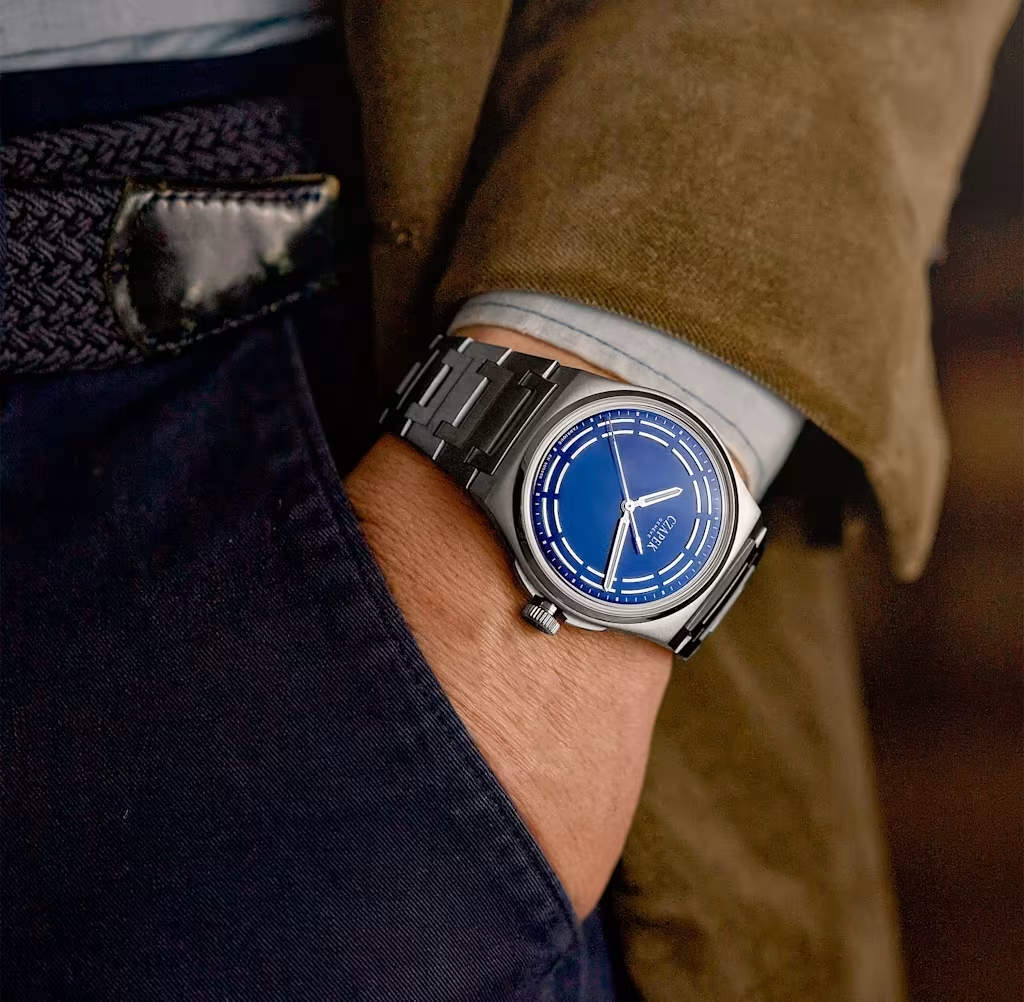
Slimmer cases continue to define many of the year’s most significant releases. Beyond technical achievement, reduced case height improves comfort and creates cleaner proportions across the entire watch. Mechanical sophistication remains fundamental, yet manufacturers increasingly demonstrate that engineering excellence can also be measured by how naturally a timepiece sits on the wrist. Wearability has become an equally important expression of technical progress. Case sizes between 34 and 39 millimetres continue to establish themselves as one of the strongest directions. These proportions provide an elegant balance across dress watches, sports models, and complicated movements, offering enough visual presence without appearing oversized. The relationship between the dial, bezel, and wrist feels increasingly harmonious, allowing the overall design to communicate with greater precision and restraint.
The Colour Palette of 2027
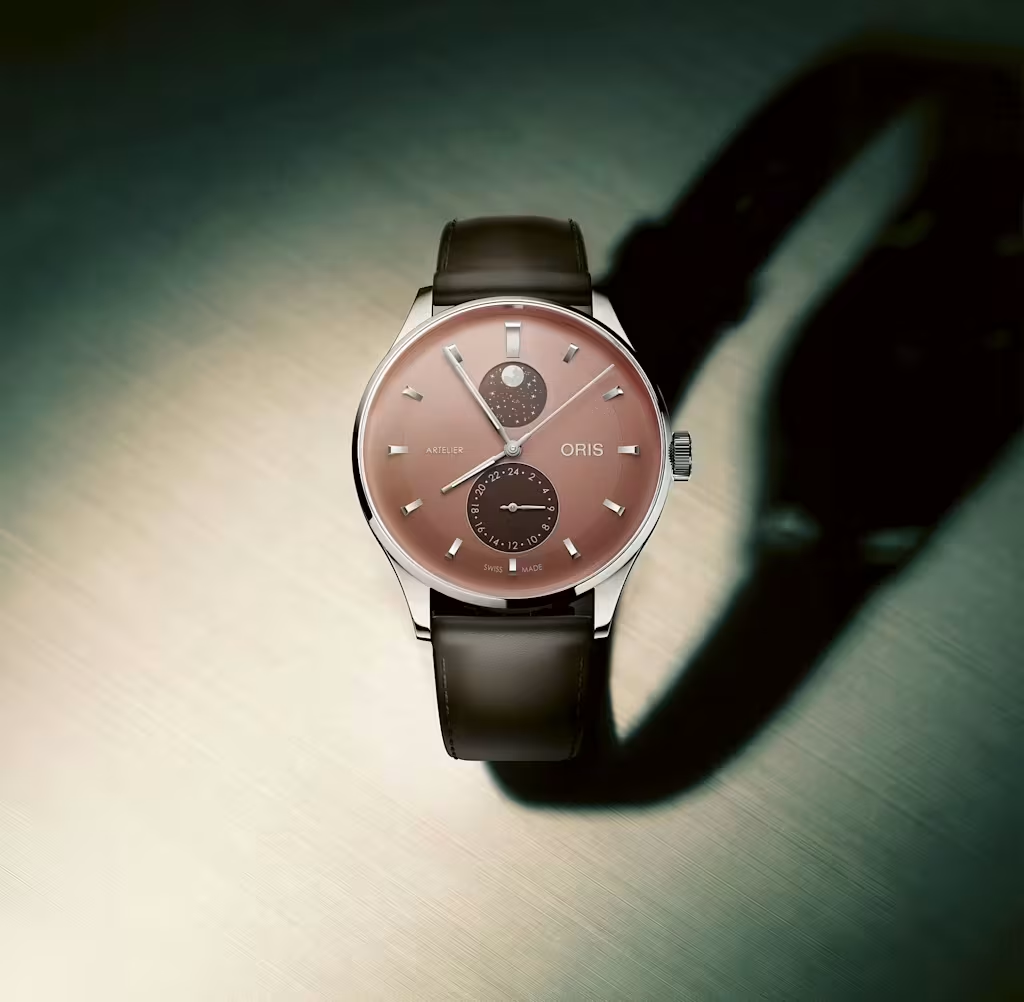
Blue and green continue to occupy an established position within contemporary collections, while Bordeaux introduces greater depth to many of this year’s new releases. Champagne, beige, and other warmer tones offer refined alternatives to traditional black, silver, and white dials, introducing character without dominating the design. The strongest watches demonstrate that colour produces its greatest impact when applied with clear intention and careful restraint.
Platinum, Gold and Gemstones
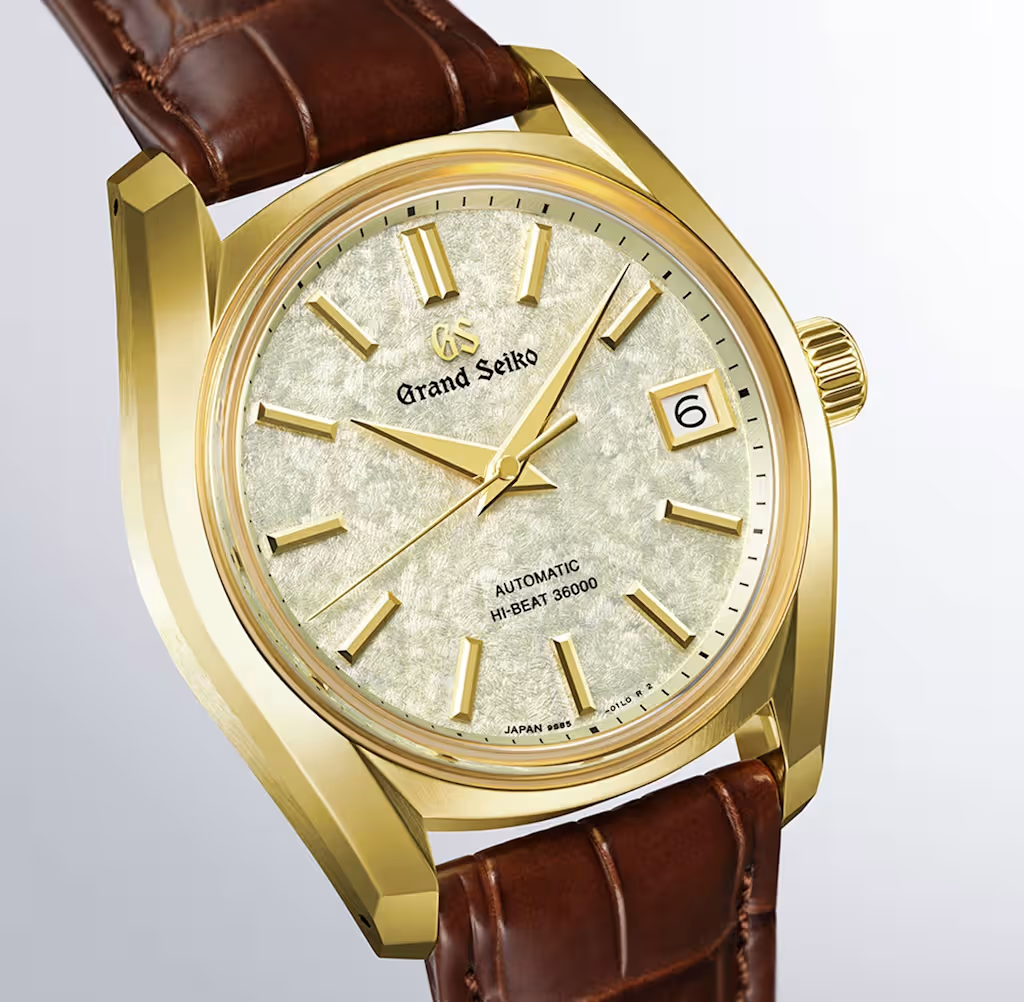
Material selection plays a more prominent role than ever before. Platinum, specialised gold alloys, diamonds, and coloured gemstones contribute not only to exclusivity but also to the overall visual identity of a watch. This direction becomes particularly compelling where haute horlogerie meets high jewellery, allowing precious materials to participate in the architectural language of the design instead of functioning solely as decorative additions.
The Archive Revisited
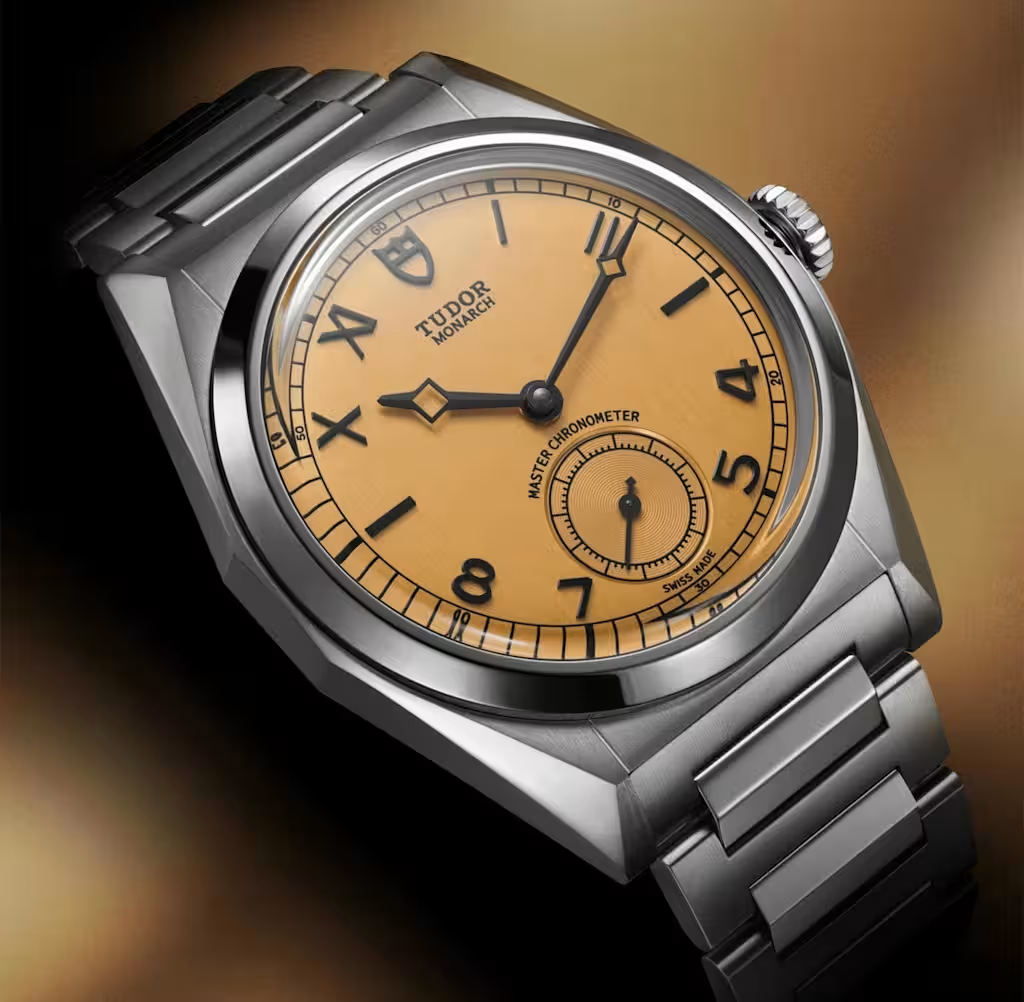
Historical references continue to influence contemporary watchmaking, although few maisons choose direct reproduction. Familiar case profiles, dial layouts, and established proportions return in carefully updated interpretations that preserve their original character while responding to present-day expectations. This dialogue between heritage and modernity allows historic design codes to remain relevant without appearing nostalgic.
Visible Mechanics Take Centre Stage
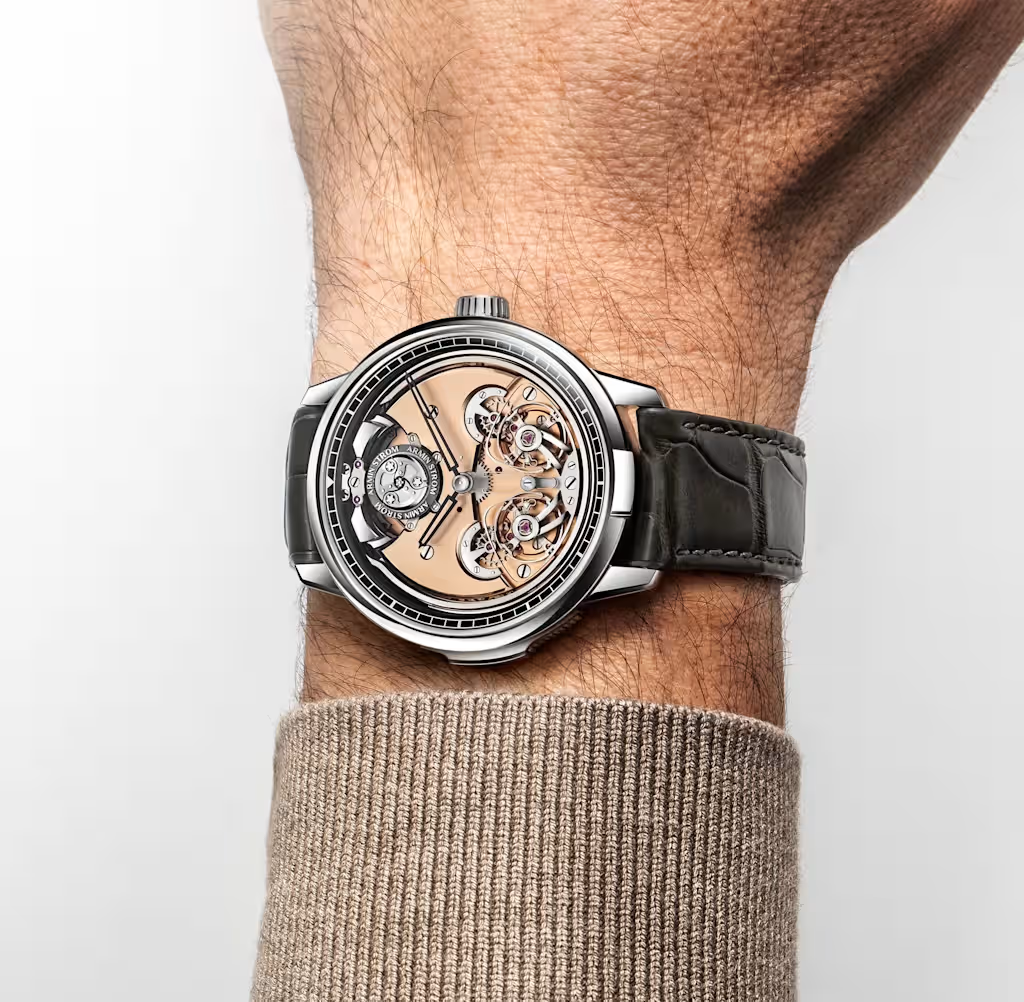
Mechanical movements are increasingly becoming part of the watch’s visual identity. Skeletonised constructions and open-worked dials place bridges, gears, and complications at the forefront, transforming technical components into architectural elements visible from the front of the watch. Instead of remaining hidden beneath the caseback, the movement becomes an essential part of the design itself, demonstrating that mechanical craftsmanship continues to shape both performance and appearance.