For generations, edible flowers were little more than decorative additions to fine dining. Today, they have earned a genuine culinary role, contributing flavour, texture and aromatic complexity to contemporary gastronomy. Nasturtium, hibiscus, cress and other varieties introduce peppery, citrus and floral notes that shape a dish as deliberately as herbs or spices. This approach reflects a wider shift in French cuisine, where seasonal produce and plant-based ingredients increasingly influence culinary creativity. At his Michelin-starred restaurant in Paris’s 17th arrondissement, Frédéric Simonin, Michelin-starred chef and Meilleur Ouvrier de France 2019, incorporates edible flowers as carefully selected ingredients, each chosen for its precise contribution to the final composition.
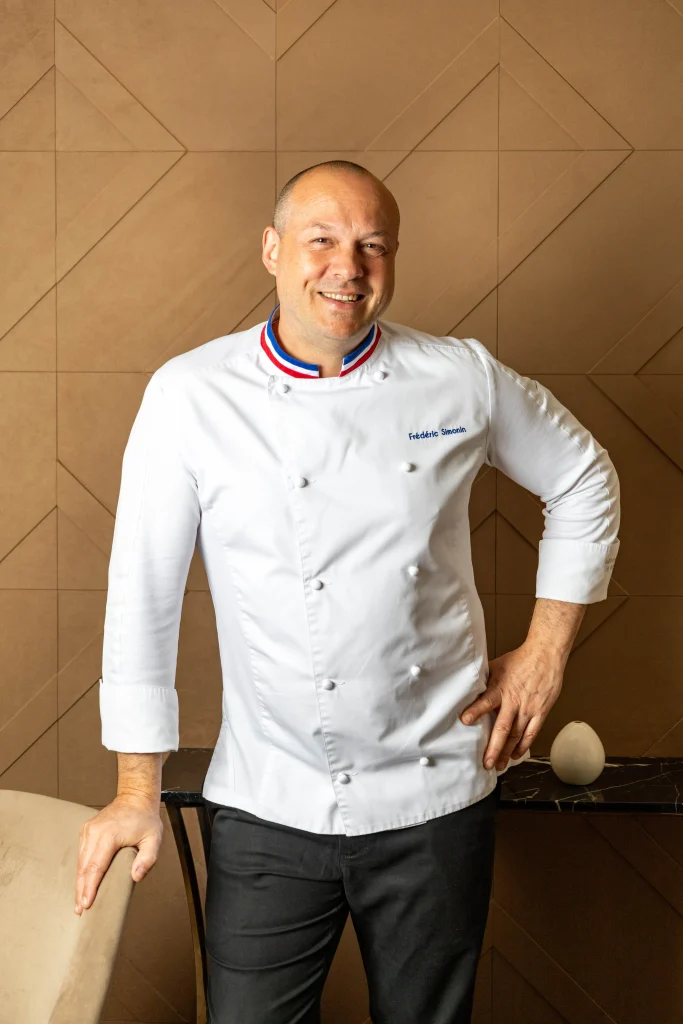
Across Frédéric Simonin’s seasonal menu, flowers perform a practical culinary function instead of serving as decoration. Nasturtium leaves accompany white asparagus from the Ardennes with candied yuzu peel and a faux Béarnaise sauce, where their subtle peppery character balances the sweetness of the asparagus and the freshness of the citrus. Nasturtium extract also flavours a sweet onion royale served with a free-range egg, while wild meadow flowers complement mustard seeds and onion melba with delicate floral notes. Every flower is selected according to its harvest season, origin and flavour profile, becoming as essential to the finished dish as a reduced sauce, fresh herbs or fermented citrus.
According to Fact.MR, the global edible flower market is projected to grow at a compound annual growth rate of 4.7% through 2035, with Western Europe, particularly France, recognised for its long tradition of using edible flowers in pastries, confectionery and artisanal liqueurs. This development reflects a growing interest in plant-based ingredients capable of introducing new layers of flavour without overpowering the main product. One example is hibiscus, which Frédéric Simonin uses as a glaze for spiced honey duck served with smoked and lightly pickled beetroot. The flower contributes fruity depth, gentle acidity and a naturally rich burgundy colour, demonstrating how edible flowers have become an integral part of the cooking process rather than a finishing garnish.
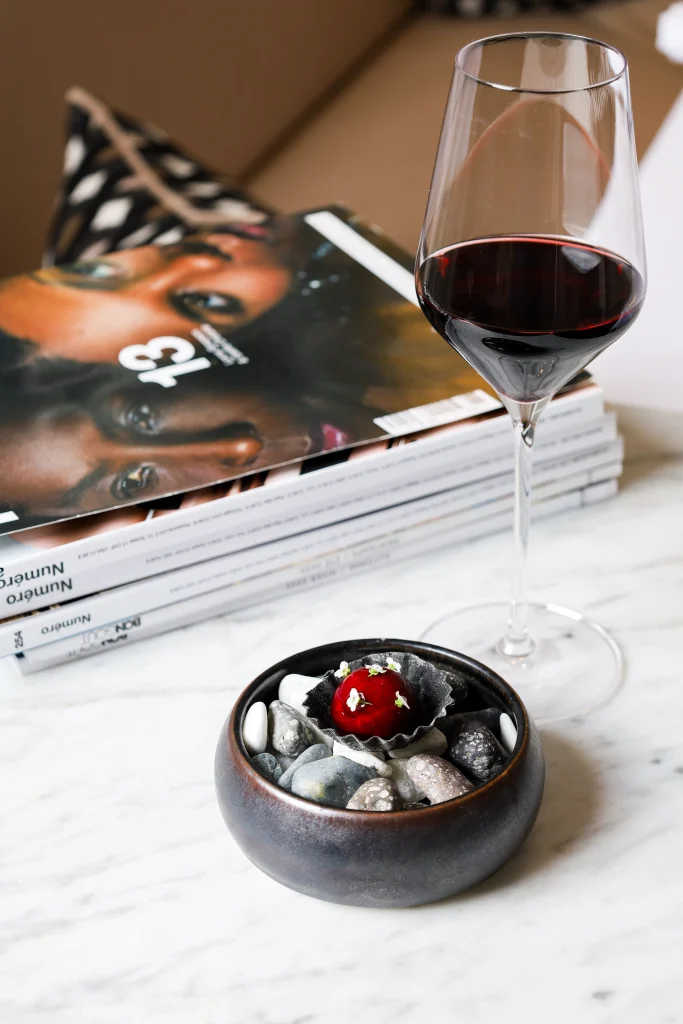
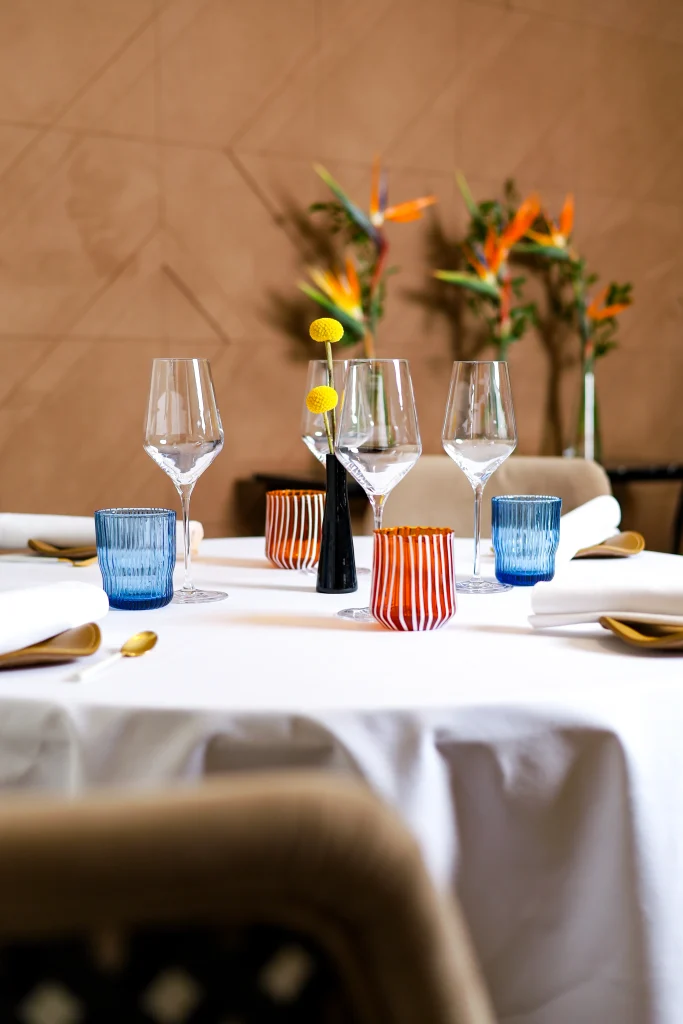
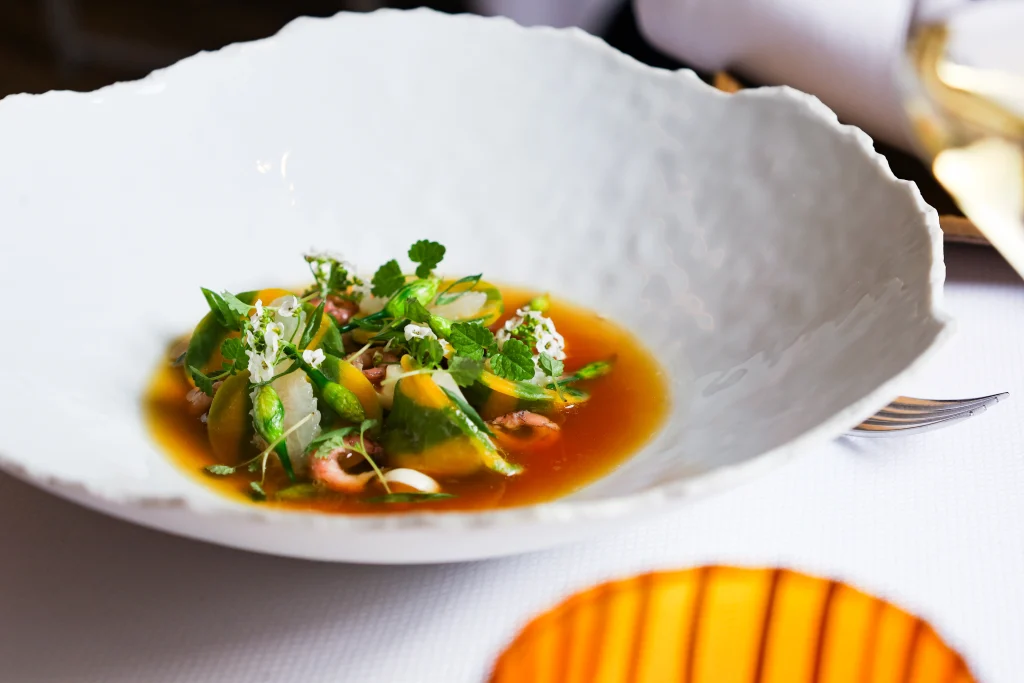
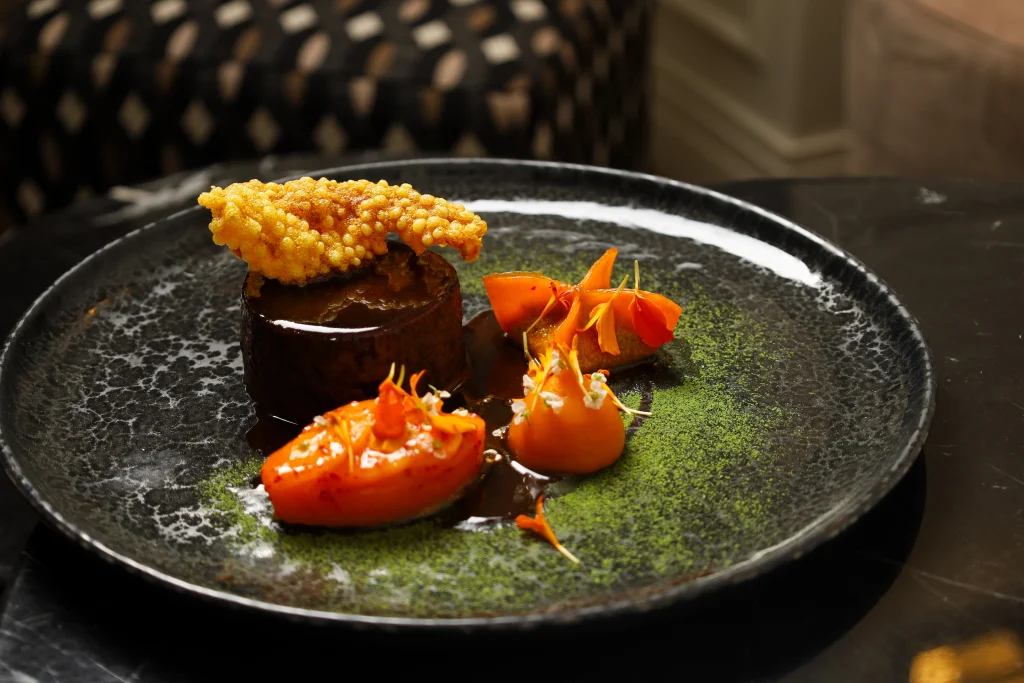
Awarded the title of Meilleur Ouvrier de France in 2019 after training under Joël Robuchon, Frédéric Simonin has developed a style of cooking centred on seasonal ingredients, precision and respect for natural products. The edible flowers featured throughout his menu follow the same principles that define the rest of his cuisine, with every ingredient selected for its aromatic qualities, balance and seasonal relevance.
His work with edible flowers illustrates how fine dining continues to evolve through thoughtful ingredient selection rather than visual presentation alone. At his restaurant on Rue Bayen, flowers extend flavours, complement the main ingredients and contribute directly to the overall taste of each dish. As Frédéric Simonin explains: “A flower is an ingredient in its own right. Like a spice or an herb, it has its own season, origin and precise culinary purpose.”