Cultural gatherings continue to redefine entertainment by creating experiences that extend beyond traditional exhibitions or performances. Conversations, live programming, and interactive formats increasingly encourage audiences to participate rather than simply observe. Spaces that combine art, design, music, and storytelling have become destinations where creative disciplines meet naturally.
Fashion has increasingly become a platform for cultural exchange rather than solely a presentation of seasonal collections. Collaborations between designers, filmmakers, artists, architects, and digital creators continue to expand the industry’s creative language while introducing new perspectives to audiences worldwide. Temporary installations, immersive exhibitions, and multidisciplinary events now play an important role in communicating a brand’s identity beyond the runway. This evolution allows fashion to engage with cinema, technology, literature, and contemporary art while reaching visitors through shared experiences instead of conventional presentations. The result is a creative landscape where design becomes part of a much broader cultural conversation.
Industry data reflects this growing shift. According to the latest State of Fashion report by McKinsey & Company and The Business of Fashion, luxury brands continue to invest heavily in experiential marketing as consumers increasingly value memorable experiences alongside products themselves. Research by EventTrack also found that more than 90% of consumers develop more positive feelings toward brands after participating in live experiences, while approximately 85% are more likely to make a purchase following a branded event. Deloitte’s global luxury consumer research likewise highlights that younger luxury audiences increasingly prioritise cultural engagement, exclusive access, and immersive experiences when interacting with premium brands. These findings demonstrate how physical events have become an increasingly important component of long-term brand relationships. As expectations continue to evolve, creative programming has established itself as an essential element of contemporary luxury communication.
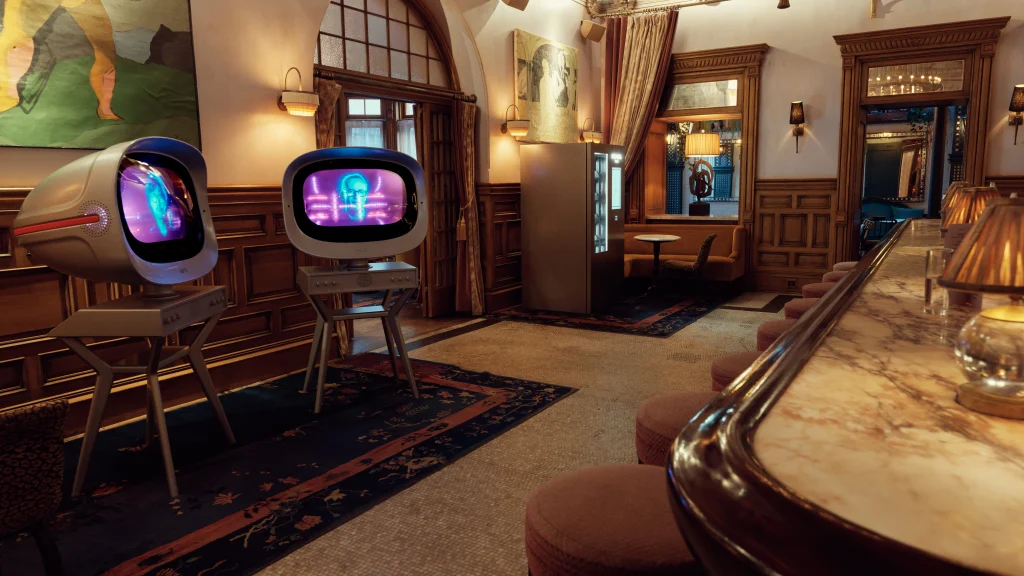
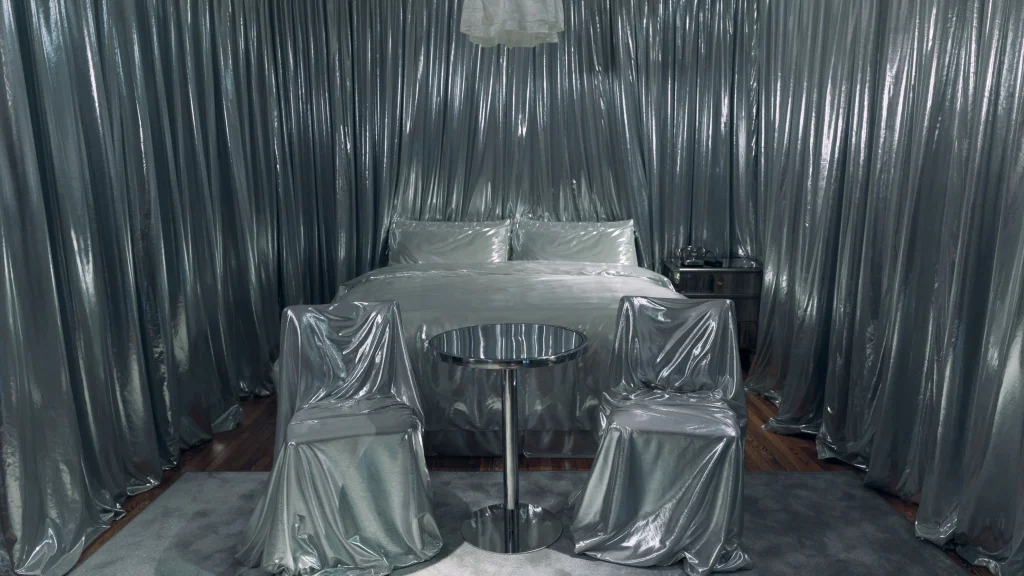
Against this backdrop, Prada presented the fourteenth edition of Prada Mode at New York City’s Hotel Chelsea in collaboration with Danish filmmaker Nicolas Winding Refn and Japanese game creator Hideo Kojima. Held alongside the Tribeca Festival, the two-day programme expanded the creative dialogue first introduced through Satellites at Prada Aoyama Tokyo during the previous year, continuing an exploration of communication, imagination, and human relationships across different cultures, artistic disciplines, and creative perspectives.
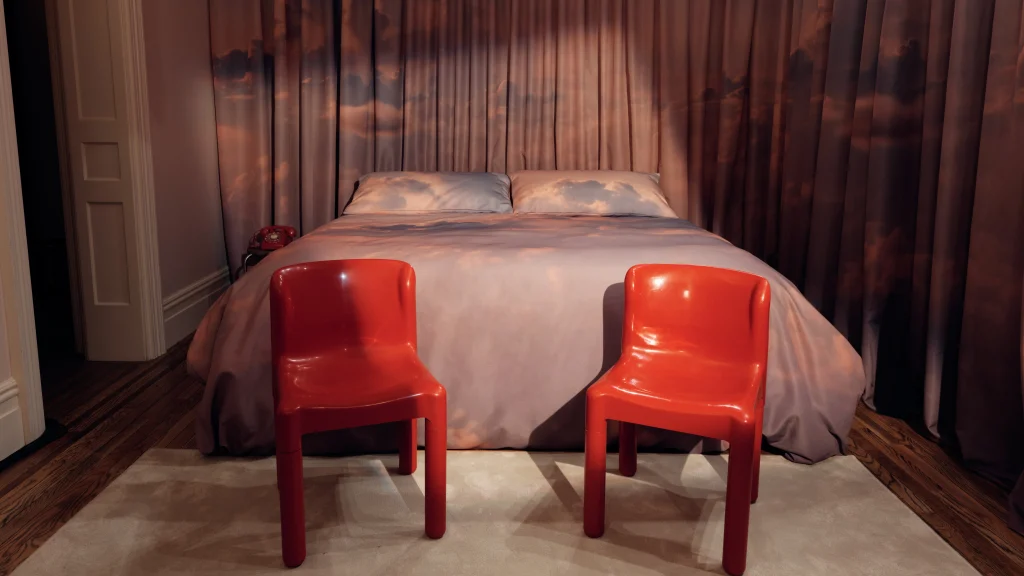
Within the historic setting of Hotel Chelsea, the installation unfolded through environments inspired by domestic, shared, and private spaces, inviting visitors to move between intimate settings and communal experiences. Conversations featuring Nicolas Winding Refn, Hideo Kojima, and invited creative figures examined the realities of artistic practice, discussing both inspiration and the inevitable challenges that accompany the creative process. Workshops and live performances further developed these ideas, offering participants different approaches to artistic experimentation and collaboration.
The programme also reached audiences beyond New York through the Prada Mode Channel, a specially produced broadcast inspired by classic cable television formats. Featuring talk shows, themed segments, and collaborations with Mikael Bertelsen, the channel extended the event into a digital format while maintaining the atmosphere of live cultural programming. By combining cinema, fashion, design, technology, and performance within one evolving platform, Prada Mode demonstrated how contemporary luxury increasingly communicates through experiences that continue well beyond the physical venue.