For generations, Paris has been defined by addresses that became part of the city’s cultural memory. Long before social media determined where people gathered, restaurants, bars, and clubs created their own reputations through atmosphere, personalities, and unforgettable evenings. This September, one of those names returns. After more than twenty years away, Doobie’s opens a new chapter on Rue Marbeuf in Paris’s 8th arrondissement, transforming a legendary nightlife destination into a collector’s house where gastronomy, design, art, and late-night entertainment share the same address.
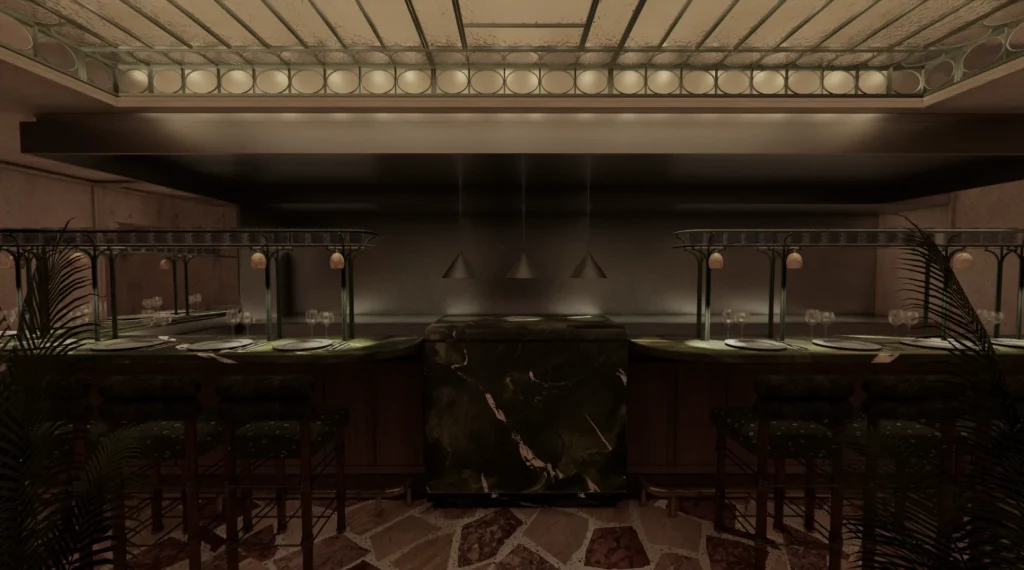
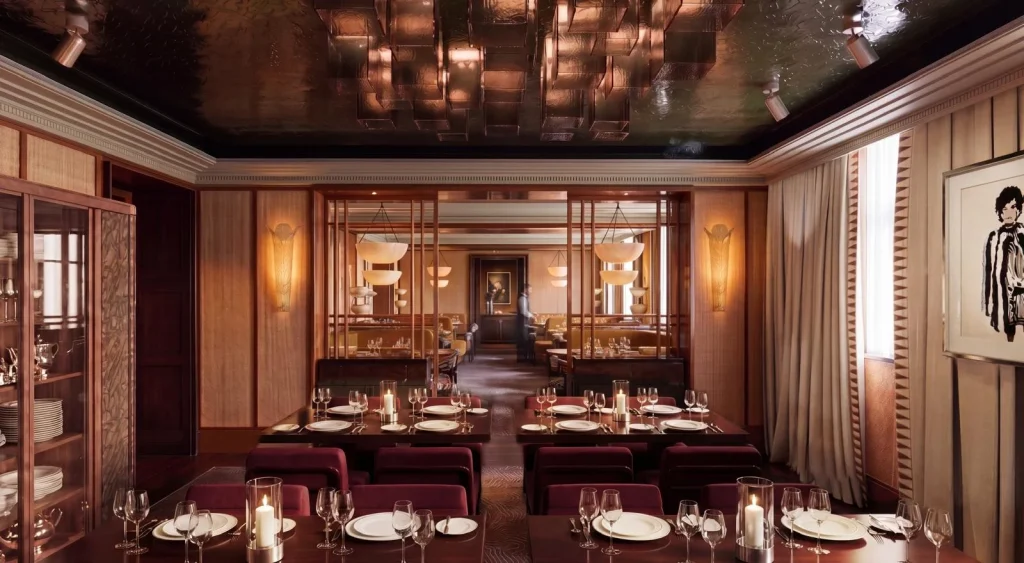
First established in 1938, Doobie’s earned its place among Paris’s most recognizable nightlife venues before reaching another high point during the 1990s and early 2000s. Throughout those years, it welcomed well-known personalities including actor Mouss Diouf, tennis champion and musician Yannick Noah, and many figures from the worlds of fashion, music, cinema, and the Parisian creative community. The new concept does not attempt to recreate the past. Instead, it draws inspiration from the history of the address while presenting an entirely different experience.
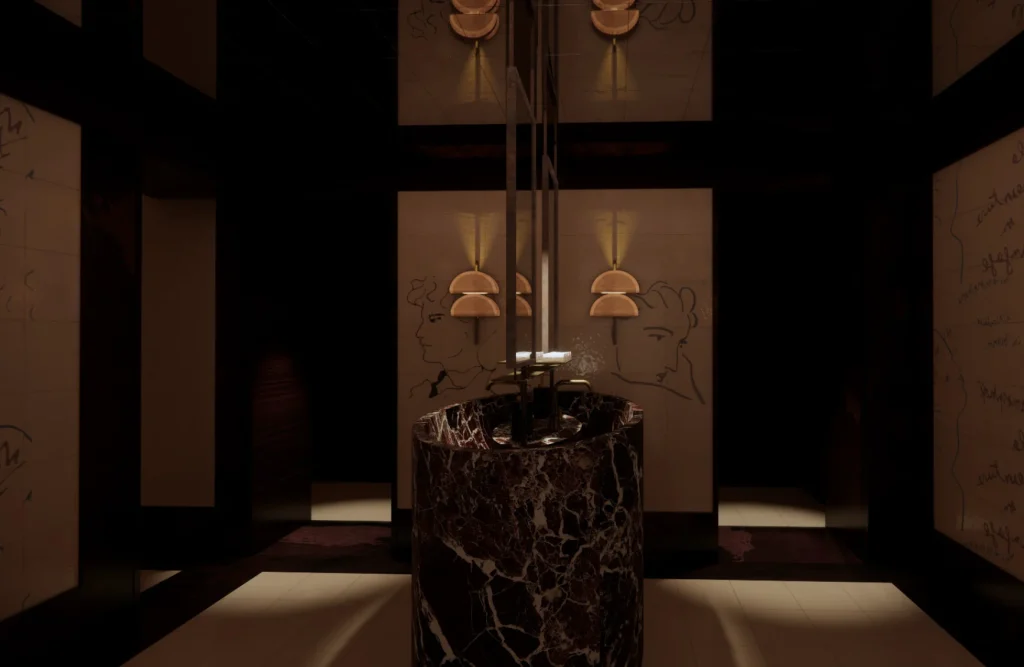
Guests enter what appears to be the private apartment of an avid collector, someone who has spent decades acquiring exceptional furniture, artworks, books, decorative objects, and personal treasures gathered from around the world. Each room has its own identity, encouraging visitors to move naturally from one space to another. A grand salon leads towards a winter garden, followed by a more intimate boudoir before arriving at the night bar, creating the impression of exploring a private residence rather than a conventional restaurant. The interiors were imagined by architect Arnaud Behzadi, whose vision combines residential comfort with carefully curated design, giving every corner of the property its own personality and atmosphere.
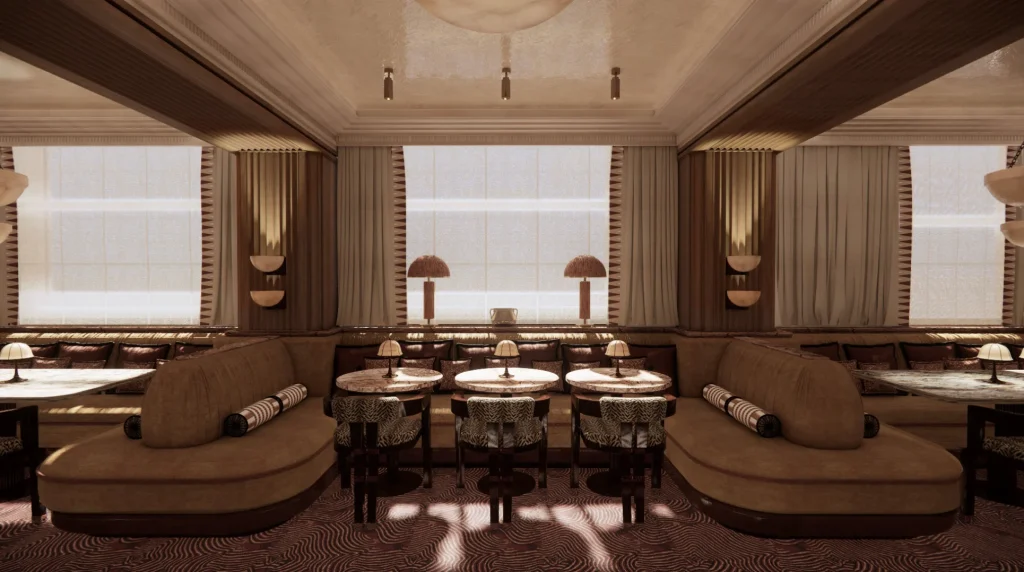
The culinary experience follows the same philosophy. Dinner begins in elegant surroundings before naturally extending into cocktails, conversation, music, and an evening that gradually changes pace as the hours pass. At the heart of the venue, a central rotunda connects the different spaces, while the winter garden reveals the open kitchen behind large glass panels, allowing guests to watch the chefs at work throughout the evening. Designed to accommodate 130 guests, Doobie’s brings together fine dining, architecture, hospitality, and nightlife without dividing them into separate experiences. Every room contributes to the story, every transition feels intentional, and every visit offers something different. Paris has always celebrated places with character, and the return of Doobie’s adds another address to that tradition, introducing a destination where history, contemporary design, and the city’s nightlife meet under one roof.